







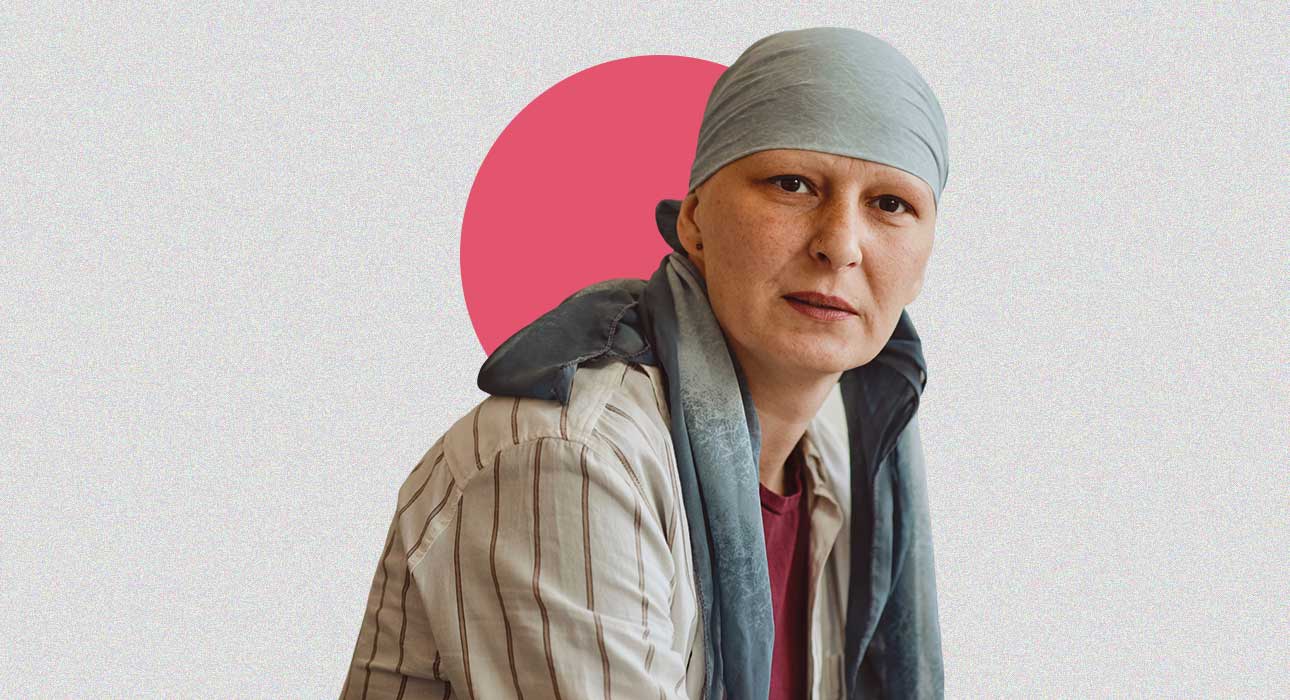
Once treatment stops, most assume life snaps back into place. Loved ones clap, hug, and cry, relieved that chemo, operations, or beams are finally behind them. But for plenty who made it through, relief rarely brings simplicity, just new ground to walk on. Healing skin and better lab numbers do not mean peace inside. Though scans look clearer, minds often remain tangled in worry. Many wrestle with unease long after treatment ends. Fear creeps in at odd times, a sudden dread that the illness will return. Heavy feelings sit deeper now – grief, unease, hard to name. Survivors of cancer often hold what others simply do not know (Caruso et al., 2017; Mitchell et al., 2011)
Nowadays, improved healthcare lets more people beat cancer. Because of that shift, increasing numbers navigate life after therapy ends. Being alive means more than physical recovery – it includes mood, connections, and daily routines. Life afterwards touches work, friendships, rest, self-worth, and even small pleasures once taken for granted. Survivors carry unseen wounds – emotional ones that rarely get attention. Because of this, helping them feel seen matters just as much as treating their bodies
The Emotional Weight of Living After Cancer
Life tilts off balance when cancer shows up. Some folks mark time now by that moment – what came prior, what follows. Healing physically does not always quiet the mind’s noise afterwards. Worries creep in, low moods stick around, energy stays thin, and questions hover without answers. The body may win its fight; emotions sometimes trail behind, slow to catch up (National Cancer Institute, 2024). Worry never really leaves some people. That constant hum of fear can freeze your days, make everything harder. Beating cancer does not always bring peace – many wonder every day if it might come back, if each twinge means something worse. Waiting for doctors’ reports makes the tension sharper.
There’s even a name whispered often now: scanxiety – a word born in waiting rooms, shared between patients and nurses. This dread around tests sticks close, familiar. Heavy moods show up, rolling in like grey tides – no spark left in things once loved (American Psychiatric Association, 2022). People healing from illness often carry heavier emotional loads than others untouched by sickness; bodies shift, money runs thin, dreams reshape, while what lies ahead stays blurred.
Out of the blue, beating cancer might alter your sense of self. During therapy, people receive constant attention and help. Once treatment ends, though, their identity shifts, from patient to survivor almost overnight. That new label often brings far less contact with doctors, while emotional backing slowly disappears. Without warning, isolation creeps in, along with tough challenges nobody saw coming – Stanton et al., 2015 noticed this pattern.
Living With Fear That Cancer Could Come Back
Heavy worry about cancer returning weighs on many people after treatment ends. That tense, waiting-for-disaster mood? Nearly all cancer survivors experience it, no matter the diagnosis details or how advanced things were (Simard et al., 2013)
Worrying makes sense, yet for certain people, it spirals way too far. Picture hesitation, freezing your breath at each minor twinge or discomfort, sure, it means the cancer has returned. Thinking ahead? That slips away fast. Focus on regular tasks while fear of illness shouts louder than anything else? Harder than most realised (Simard et al., 2013). What begins quietly often grows loud without warning.
Cancer does not play by the usual rules – no neat beginning, no tidy end. Instead, it lingers, showing up in small ways when least expected. A sore neck becomes a signal; fatigue feels betrayal. Over time, each odd sensation pulls attention away from living. Nights shorten. Tasks pile up. Joy slips sideways. Families feel it too, whether we admit it or not. When one person struggles, partners, kids, and those offering care face their own storm right alongside them. Imagine living in that kind of pressure day after day. Emotions run high – often nearly as intense as what the affected individual carries (Northouse et al., 2012)
Read More: A New Hope Against Brain Cancer: How Personalised DNA Vaccines Are Changing Glioblastoma Treatment
Sleep Issues, Stress, and Everyday Life
Many cancer survivors struggle with sleep. Even so, it doesn’t come up nearly as many similar topics. Trouble falling asleep, frequent awakenings, or never quite feeling rested affects anywhere from three out of ten to six out of ten people (Howell et al., 2014). When sleep stays broken, emotions often shift just as quickly. In sessions, worries pile up – pressure builds, uncertainty lingers, thoughts spin. Hours stretch on when quieting the head feels impossible. Midnight thoughts often grow louder when days feel heavy. When rest won’t come, emotions tend to swell. Daylight loses its grip on routine slowly. Attention drifts without warning. Unfinished tasks stack up like unread letters left on a shelf. Research shows how tightly these patterns are linked. The cycle feeds itself without a clear beginning or end.
Stress sticks close to some who’ve lived through hard things. Short bursts of pressure may feel manageable, yet when it drags on, strength slips away. Focus gets blurry, energy fades, feelings grow thin – year after year (American Psychological Association, 2024)
Back at home, aching muscles linger. Exhaustion sticks around, deep and heavy. Appearance shifts bring quiet discomfort. Then there’s a chemo brain – thoughts blur, words slip, and concentration fades (National Cancer Institute, 2024). Returning to daily routines? Not simple. Work feels out of reach. Frustration builds without warning. Confidence of wobbles under strain. Mental clarity often improves when rest and calm are prioritised, especially after hardship – evidence backs this up (Carlson et al., 2017)
Strengthening Mental Toughness and Help Systems
Surviving cancer often brings heavy feelings, yet plenty of people find ways through. Tough moments reshape lives – according to the American Psychological Association in 2024, getting back up after hardship shows what true strength looks like. Alone feels heavier when days turn rough. People nearby can make the load seem lighter. Family close by tends to help, sometimes a group that knows the hurt too, or sessions where words finally move. Emotional balance afterwards grows easier under those conditions. Talk that goes both ways takes pressure off without warning. Being listened to chips away at loneliness. Stillness between two souls says plenty.
Therapy might be more helpful than expected. Tools emerge when talking to experts, ways to face worry or push back sadness after treatment ends. Shifts happen slowly, then suddenly. One method, called CBT, focuses on spotting harsh thinking patterns and adjusting them – Osborn’s team found it eased emotional strain tied to cancer back in 2006. One major step stands out: connecting through support groups. Talking about what happened becomes easier when it happens among others who have gone through similar moments, many survivors note (Carlson et al., 2024)
Nowhere else has progress been clearer than in medicine’s new habit of treating people fully, body along with feelings. According to the WHO, spotting emotional struggles soon works better when mood screenings happen every time survivors come in for checkups (WHO, 2024)
Conclusion
Surviving cancer? That label tends to paint a picture of triumph over something dark. But the truth is, it hardly shows the full story behind life after treatment ends. Worry sits heavy – what if it returns? Mood dips without warning. Nights stretch on, restless and long, for plenty who’ve been through it.
Living beyond cancer means facing constant shifts inside and out. One thing leans on the other – feelings tug at strength, energy shapes mood. Healing cannot ignore either piece. Every plan meant to help needs room for wounds seen and unseen. People near survivors – loved ones, doctors, friends – matter deeply. Because opening up about worry needs safe ground, they build that place. Facing emotional struggles takes courage equal to facing illness itself. As more people live long after therapy ends, reshaping how we get back to full-life healing turns urgent.
References +
- Aliche, J. C., Ifeagwazi, C. M., Chukwuorji, J. C., & Eze, J. E. (2018). Roles of religious commitment, emotion regulation and social support in preoperative anxiety. Journal of Religion and Health, 59(2), 905–919. https://doi.org/10.1007/s10943-018- 0693-0
- Başkaya, E., & Demir, S. (2022). The problems and information needs of patients with bipolar disorder during the treatment process: A qualitative study in Turkey. Archives of Psychiatric Nursing, 42, 45–54. https://doi.org/10.1016/j.apnu.2022.12.007
- Krampe, H., Barth-Zoubairi, A., Schnell, T., Salz, A., Kerper, L. F., & Spies, C. D. (2018). Social relationship factors, preoperative depression, and hospital length of stay in surgical patients. International Journal of Behavioural Medicine, 25(6), 658– 668. https://doi.org/10.1007/s12529-018-9738-8
- Kahraman-Erkuş, Ö., & Çolak, S. A. (2021). Koronavirüs kaygısının beklenmeyen yönleri: Kanser hastalarının COVID-19 kaygılarını etkileyen faktörlerin incelenmesi. Psikiyatride Guncel Yaklasimlar – Current Approaches in Psychiatry, 13(Ek 1), 200– 215. https://doi.org/10.18863/pgy.951735
- Otuzoğlu, M. (2020). Kanser hastalarının manevi gereksinimlerini değerlendirmeye ilişkin ölçek çalışmalarının incelenmesi. Journal of Contemporary Medicine, 10(1), 138–145. https://doi.org/10.16899/jcm.591105
- Ulutaşdemir, N., Ay, H., Göçmen, A., Uzun, S., & Kulakaç, N. (2022). Needs of caregivers of patients with palliative neurological problems: a qualitative study. Current Psychology, 42(10), 8471–8477. https://doi.org/10.1007/s12144-022-03800- w


Leave feedback about this