







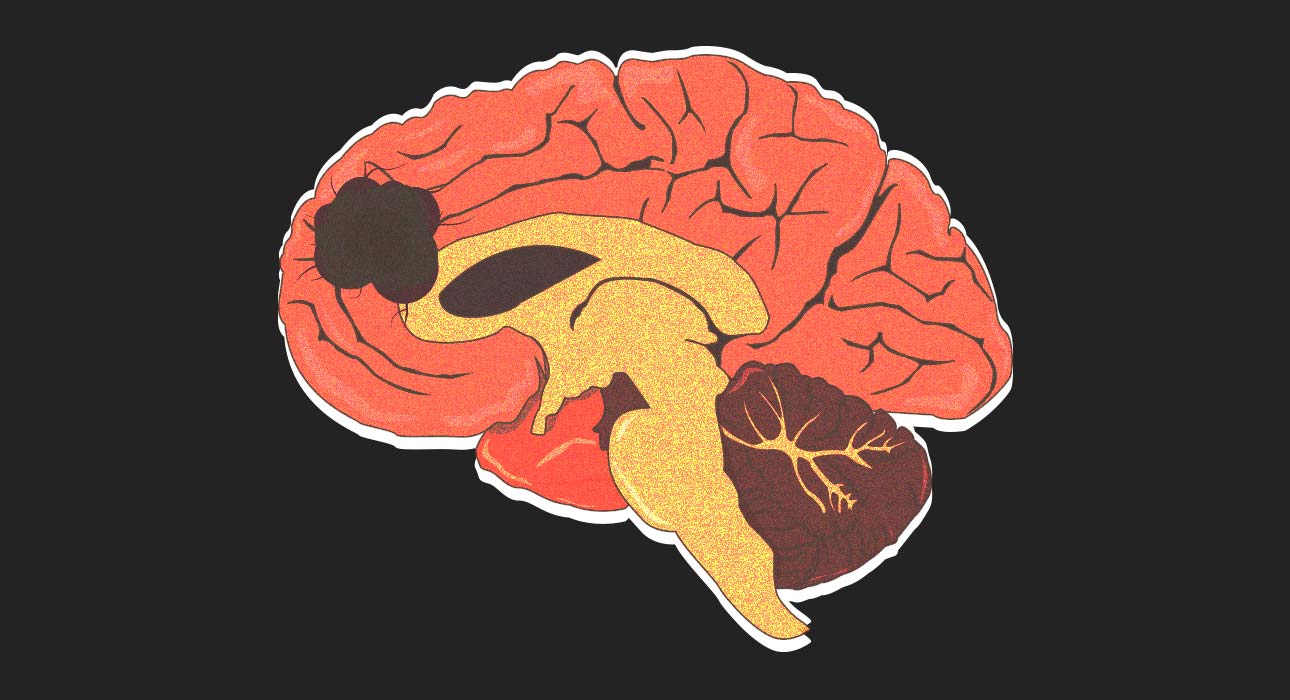
The custom-made DNA vaccine created via the particular patient’s personal cancer cells delivered findings that studies in tumours like glioblastoma didn’t have a reason to implement in the past: real hope.
Through the summer of 2021, Kim Garland, a school nurse, was experiencing delusions and persistent headaches. A brain scan proved a mass 6.5 centimetres across: glioblastoma, a highly severe major brain tumour in adults, found at age 62. The future outlook was not good. Newly diagnosed individuals endure a mean of 12 to 15 months, whereas barely more than a third endure two years; absent any medical attention at all, most survive less than four months (Davis, 2016). With an occurrence of 3.19 per 100,000 persons in the US and a median diagnostic age of 64, it is uncommon but, when it occurs, it is brutal (Grochans et al., 2022; Tamimi & Juweid, 2017).
Garland is alive without any recurrences almost five years later. She is among nine participants in a clinical study published in Nature Cancer on May 12, 2026 (Garfinkle et al., 2026). The therapy: a personalised DNA vaccine, created from her own tumour, designed to teach her own immune system to find and destroy the very cancer threatening her life. This article will look at how the vaccine works, what the study revealed, its flaws, and what’s next for the science.
Read More: Taming Tumour Chaos: A New Path to Better Glioblastoma Treatment
The illness That Could Not Be Seen
Immunotherapy transformed life expectancy in cancerous tumours, including cancers like melanoma, as well as lung tumours, by empowering immunity to detect and destroy tumour cells instead of poisoning the entire body with chemotherapy. Glioblastoma was still the odd one out. Accounting for 14.5 per cent of all neuronal system tumours, and 48.6 per cent of cancerous CNS tumours (Grochans et al., 2022), it is described in research as a “cold” tumour, which has developed complex mechanisms for reducing immune activity within its surrounding environment, rendering treatment after conventional therapy ineffective (Molinaro et al., 2025).
All tumours have neoantigens, abnormal proteins that are found on cancerous cells but not on healthy tissue. Therefore, custom-made vaccines have been developed to present these neoantigens and elicit specific T-cell reactions capable of killing cancer cells, as they are expressed on their surface (Viborg et al., 2024). But in glioblastoma, the immune system may rarely have been able to detect these signals since cancer actively repressed them. The particular vaccine operates by making those alerts impossible to miss.
Making known as Injury into Weapons
It starts in the O.R. When a patient’s cancer is removed by surgery, the tissue is sent right away to a lab. Scientists assemble the DNA and run it through a computer program to identify a person’s unique antigen protein molecules found only on their cancer cells and not elsewhere in their body (Garfinkle et al., 2026). From that analysis, researchers create an artificial DNA molecule and develop a vaccine specifically tailored to that person.
DNA vaccines have practical advantages, such as rapid manufacturing processes, stability at scale and beneficial safety profiles (Zhou et al., 2024). The vaccine, when injected, tells the patient’s cells to make those cancer-specific proteins for a short time. The immune system encounters these, recognises them as foreign, and develops a lasting targeted response. Previous vaccine platforms could aim at two or three neoantigens simultaneously. This DNA-based platform can target up to 40 at once (Garfinkle et al., 2026).
That number issues since glioblastoma is a flexible foe. Over time, it mutates, shedding proteins that act as treatment targets, and keeps growing. A vaccine against two or three proteins gives cancer room for manoeuvre. A vaccine aimed at 40 would necessitate the cancer undergo mutation in 40 different ways to evade the vaccine, which is, for all practical purposes, impossible. Thus, researchers consider targeting many neoantigens simultaneously crucial to prevent tumour immune evasion (Zhou et al., 2024; Viborg et al., 2024).
What’s the Trial Discovered
Read More: Mental Health Issues in Cancer Patients During Treatment
The trial was led by Washington University’s School of Medical Sciences, based at the Siteman Cancer Centre in St. Louis, working together with scientists at Mass General Brigham. Nine out of nine cases had MGMT unmethylated type of glioblastoma, a type of cancer that is intolerant to conventional temozolomide-based chemotherapy therapy, which is hence considered one of the most challenging to cure (Garfinkle et al., 2026; Molinaro et al., 2025).
Report for three areas of conclusions
1. Security
All nine patients were immunised against up to 40 new antigens with no significant side effects, unknown toxicities, or dose-limiting toxicities. Common reactions, injection-site redness, mild tiredness, and low-grade fever corresponded with findings from related DNA vaccine studies (Zhang et al., 2024). One patient suffered from brief brain swelling that led to worsening speech and tingling in his arm. Bevacizumab completely resolved the symptoms, and clinicians continued the vaccine. This was the only major adverse event that occurred during the whole trial (Garfinkle et al., 2026).
2. Survival
Two-thirds of patients had no cancer growth at six months following surgery, and two-thirds lasted one year. In similar historical sample with this subtype, about 40 per cent reach a single milestone level (Garfinkle et al., 2026). Retrospective longitudinal outcomes confirm the severity of the baseline prognosis for MGMT untreated patients during specific, thus making these results particularly important in setting (Saad et al., 2025).
3. Immune response
The vaccine elicited activation and expansion of cancer-related T cells in all patients assessed, an immunological effect that had not been reliably achieved previously in glioblastoma (Garfinkle et al., 2026). This is important as a clinical outcome, and as proof of mechanism, the vaccine is doing what it was meant to do at the physiological level.
What exactly the Experts Found
Lead researcher Tanner M. Johanns defined the team as “highly pleased by the findings, pointing out that the vaccine has been an advance for glioblastoma and expressed high hopes about its power to “have a beneficial effect on the health of those who struggle with this illness” (Garfinkle et al., 2026). Co-senior researcher Gavin Dunn, a neurosurgical oncologist at Mass General Brigham, described the research findings in a larger context, describing custom tumour-targeting shots as a “highly persuasive concept” not just in glioblastoma but across oncology (Garfinkle et al., 2026). For experts who observed the standard of care following medical care fails in this condition, that vocabulary is purposeful.
What’s Coming Following, As Well As What Isn’t
The nine patients were few. These include preliminary first-in-human study outcomes showing safety, immune system reaction, and a lifespan pattern that exceeds historical norms, but not conclusive evidence of efficacy at a high level (Garfinkle et al., 2026). Researchers need more extensive trials before adopting this as a standard of care, and current studies do not contradict this interpretation of the findings.
The following steps already exist in the works. The trial is being extended to all glioblastoma forms, and combinations are being actively explored. A second trial, which pairs the DNA vaccine with retifanlimab, a PD-1 checkpoint inhibitor designed to stop the tumour switching out the immune system once the vaccine has turned it on, is now being enrolled at Washington University (ClinicalTrials.gov NCT05743595). Neoantigen-based shots administered alongside immunological checkpoint inhibitors have previously shown specific effectiveness in cancers with high genetic toxicity (Viborg et al., 2024; Zhou et al., 2024). Researchers are still investigating whether that combination method leads to glioblastoma; however, they are now formally testing it and making important progress (Molinaro et al., 2025).
Conclusion
Someone who has dealt with a glioblastoma tumour knows that the prognosis is bleak: twelve to fifteen months usually (Davis, 2016). These results don’t tear into that wall. Nevertheless, a factor in it has changed.
Medical science grows to read the genetic fingerprint that cancer develops on a patient’s own DNA and transform it into a medical procedure tailored precisely for them. Individualised neoantigen-based vaccines have shown the capacity to elicit powerful, long-lasting immune responses that remove cancers and avoid recurrence across both preclinical studies and early clinical contexts (Viborg et al., 2024; Zhang et al., 2021).
What sets this platform apart is not only that it is personalised, but also that it can encode 40 simultaneous targets, making immune escape significantly more difficult for a cancer that has long been characterised by its potential to evolve (Garfinkle et al., 2026; Zhou et al., 2024).
With Kim Garland, scientists are developing a vaccine for a cancer that has resisted treatment for decades. This vaccine specifically targets proteins unique to Kim Garland’s body. Her system of immunity has kept it at bay for almost a few years (Garfinkle et al., 2026). That’s no small thing. That’s another kind of outcome that this illness offered for quite some time.
References +
- Davis, M. E. (2016). Epidemiology and outcome of glioblastoma. In S. De Vleeschouwer (Ed.), Glioblastoma. Codon Publications. https://www.ncbi.nlm.nih.gov/books/NBK470003/ Garfinkle, E., et al. (2026).
- Adjuvant personalised multivalent neoantigen DNA vaccination induces tumour-specific immune responses in newly diagnosed glioblastoma patients. Nature Cancer. https://doi.org/10.1038/s43018-026-01163-w
- Grochans, S., Cybulska, A. M., Simińska, D., et al. (2022). Epidemiology of glioblastoma multiforme — literature review. Cancers (Basel), 14(10), 2412. https://doi.org/10.3390/cancers14102412 Molinaro, A. M., et al. (2025). Glioblastoma: Clinical presentation, multidisciplinary management, and long-term outcomes. PMC — MDPI. https://pmc.ncbi.nlm.nih.gov/articles/PMC11719842/ Saad, K., et al. (2025). Relative, conditional, and overall survival and causes of death in patients with glioblastoma: A retrospective longitudinal cohort study. Journal of Clinical Medicine Research, 17(4), 208–222.
- Tamimi, A. F., & Juweid, M. (2017). Epidemiology and outcome of glioblastoma. In S. De Vleeschouwer (Ed.), Glioblastoma. Codon Publications. https://www.ncbi.nlm.nih.gov/books/NBK470003/
- Viborg, N., Kleine-Kohlbrecher, D., & Rønø, B. (2024). Personalised neoantigen DNA cancer vaccines: Current status and future perspectives. Journal of Cell Immunology, 6(1), 15–24. Zhang, X., et al. (2021). Optimised polyepitope neoantigen DNA vaccines elicit neoantigen-specific immune responses in preclinical models and in clinical translation. PMC. https://pmc.ncbi.nlm.nih.gov/articles/PMC8059244
- Zhang, X., Goedegebuure, S. P., Chen, M. Y., et al. (2024). Neoantigen DNA vaccines are safe, feasible, and induce neoantigen-specific immune responses in triple-negative breast cancer patients. Genome Medicine, 16, 131. https://doi.org/10.1186/s13073-024-01388-3
- Zhou, C., et al. (2024). Neoantigen cancer vaccines: A new star on the horizon. Cancer Biology & Medicine, 21(4), 274–311. https://doi.org/10.20892/j.issn.2095-3941.2023.0395
- ClinicalTrials.gov — NCT04015700. Neoantigen-based personalised DNA vaccine in newly diagnosed, unmethylated glioblastoma. https://clinicaltrials.gov/study/NCT04015700
- ClinicalTrials.gov — NCT05743595. Neoantigen-based personalised DNA vaccine with retifanlimab PD-1 blockade in newly diagnosed glioblastoma. https://clinicaltrials.gov/study/NCT05743595
- Washington University School of Medicine. (2026, May 12). Personalised vaccine shows promise against aggressive brain cancer. https://source.washu.edu/2026/05/personalized-vaccine-shows-promise-against-aggressive-brain -cancer/



Leave feedback about this