







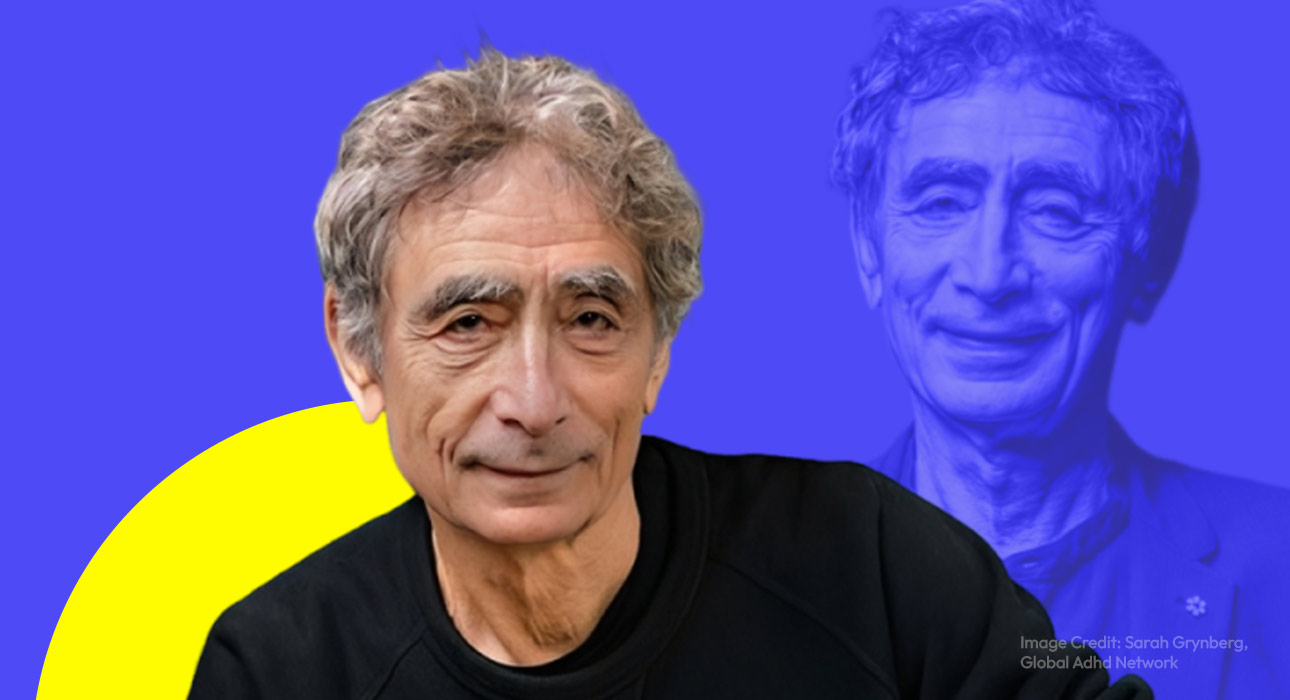
Doctors usually help fix sickness. Yet some choose therapy instead, which can be to explore how thoughts work. Still, there exist those who dig further, wondering where pain begins at all. Gabor Maté fits right into that group of people. Start anywhere. When his work shows up, pages, speeches, and conversations, one thing hits fast: connection runs deep. Not distant words tossed out, but real talk aimed right at you. Ideas feel lived-in. Softness lives there. Care shapes each point. Moments carry weight because they came from somewhere true. The man behind the message isn’t split from what he shares. His past breathes inside every thought laid bare.
A Childhood Shaped by Grief and Anxiety
Back in 1944, under skies heavy with war, Gabor Maté entered the world in Budapest. Though just a baby then, he arrived amid chaos few can imagine, Europe tearing itself apart. His family carried Jewish roots, which meant danger at every turn. While bombs fell and borders shifted, their lives hung by threads common to so many at that time. Survival often felt more accidental than planned.
When he talks about his past, Maté recalls being handed over to a stranger by his mother, her way of protecting him. After that, his grandparents died at Auschwitz. Moments like those, filled with loss and terror, shaped how he came to see the mind. How people break, how they hold on, that started making sense through what he lived. When kids face tough times early on, their bodies and emotions might carry those marks into adulthood; science backs this up (Shonkoff et al., 2012). For Maté, though, it wasn’t only a theory floating in journals. His own story wore the weight of it.
Only after they settled in Vancouver did the real threat fade. Still, something inside never let go. That quiet mark stayed. It slipped into his thoughts without warning. Questions grew from it slowly. A lifetime unfolded around their weight.
Read More: Breaking the Silence: Exploring the Impact of Childhood Trauma
From Healing Bodies to Understanding Lives
A doctor by training, Gabor Maté first practised general healthcare. After some time, he moved into supporting people with serious health challenges near life’s end. That path changed how he saw things entirely. Looking past just biology, signs started appearing. Stress, past hurts, and unspoken feeling, these showed up again and again among those stuck in long-term sickness. What he saw fits work done elsewhere, where ongoing strain ties tightly to bodily breakdowns like weak defences and troubled hearts (McEwen, 1998). From silence, symptoms often grow.
Yet it was working alongside people caught in addiction that quietly reshaped his direction. What shifted wasn’t loud or sudden; instead, it grew from listening, showing up, and being there when things went south. Moments piled up: quiet rooms, hesitant voices, the weight of choices gone wrong. Through these, a new course took root without announcement.
Working on the front lines of addiction
Right where streets show struggle, Gabor Maté walked alongside those caught in addiction. Not from some office removed from reality, but right there, close enough to see pain without filters. Life in Vancouver’s Downtown Eastside brought hardship daily: no steady home, constant need and lives tangled in substances. His work didn’t feel clinical; it carried weight, breath, and presence. Close-up, unsheltered moments shaped what he came to understand. That sight didn’t fit with the usual idea that people thought addiction came from poor decisions or weak character. It made him question what everyone assumed.
Yet there was hurt in his eyes. Looking back, he saw a pattern among those caught in addiction, trauma often showed up first: harsh treatment, being ignored, grief, or growing up without care. Not once did it seem like drugs were only for enjoyment. More than anything, they served as an exit from what hurt inside. Looking back, studies point to tough early years linking up closely with future struggles in using substances, as seen in work by Felitti and team in 1998. What if things worked another way? Not “Why the addiction?” But, “Why the pain?”
A New Way of Seeing Others Without Judgment
One of the most powerful aspects of Maté’s work is his insistence on compassion.
What if the names we give folks, “addict,” “troublemaker”, are just masks? Behind those words, Gabor Maté sees something quieter: habits formed under pressure. Not defiance, but survival. When hurt runs deep, actions make sense. Their responses, shaped by what was never soothed.
For example:
- Addiction can be a way to numb trauma
- Running hard at work sometimes hides what hurts inside
- People-pleasing can be a response to early attachment wounds
- Right from the start, childhood bonds influence how feelings grow, and problems get handled thanks to ideas first laid out by John Bowlby back in 1988.
What Gabor Maté does isn’t about justifying harm; it’s about making sense of it. Shifting away from blame toward seeing reasons? That change holds real weight, whether you’re sitting in a counsellor’s office or talking at the kitchen table.
Read More: From People-Pleasing to Authentic Self: How Therapy Transforms Our Social Lives
The Mind-Body Connection
Frequent upset feelings might show up as body pain, Maté often points out. How we carry sadness or fear can shape our health, he suggests through years of study. Not just thoughts, how life shakes us matters too.
Frozen feelings often leave marks beneath the skin. When sorrow or rage gets stuck inside, the weight builds slowly. One day, it shows up in stiffness, fatigue, or deeper wear. Unspoken tension shapes how the years feel. Hidden storms shape what ages break down. Studies confirm it. Long-term stress weakens immunity, triggers body-wide swelling, and leads to conditions like high blood pressure and self-attacking illnesses (McEwen, 1998).
Deep inside Maté’s pages of When the Body Says No lies, a quiet truth physical pain sometimes speaks louder than thoughts. Though unspoken, emotions take shape beneath the skin, emerging as symptoms when words fall short. Because silence builds pressure, the flesh begins to answer questions the brain avoids. While feelings stay buried, tension finds its way into muscles, organs, and nerves. So stress doesn’t vanish; instead, it transforms, wearing disguises like fatigue or inflammation. Yet every ache might be a message written in biology rather than speech.
In simple terms: When feelings go unheard, physical symptoms often step in to respond.
Read More: The Body Remembers: How Stress, Trauma, and Emotion Shape Autoimmune Disease
Trauma: The Unseen Connection
At the centre of Maté’s philosophy is trauma. Yet his take on trauma isn’t like others’. To him, it’s less about events hitting us and more about how we shift within after they land. One person might feel calm during a moment that another finds overwhelming. Inside each mind, reactions shift like weather, unseen yet powerful. It depends less on what happens, more on how feelings shape it. A shared scene splits into separate stories when emotion gets involved.
Looking at it this way fits with recent studies on trauma, where personal feelings and how emotions are handled matter most (van der Kolk, 2014). What if pain pulls people away? Gabor Maté shows it often does away with their own feelings, from those around them, and from what’s happening right now. Getting better isn’t only about making problems disappear. It’s bringing ties back, to self, to others, and to the present breath.
Read More: Emotional Healing: How Time and Action Accelerate Recovery from Trauma
Society and Mental Health
What stands out in Gabor Maté’s work is how it moves beyond personal stories. Society becomes part of the picture, too. It’s his view that a lot of struggles with mental well-being go beyond individual battles; circumstances around us play a big part. While some see these as private matters, he points out how surroundings quietly shape what happens inside people. For example, High-pressure work cultures can increase stress and burnout. Fear builds slowly when people feel left behind. Unequal chances wear down trust over time. Some struggle more because doors stay shut.
Pressure grows where fairness feels missing. Unseen stress spreads through unequal days. Fewer connections might leave people feeling empty inside. Without others around, sadness often grows stronger. Isolation tends to weigh heavily on daily thoughts. Missing a group makes tough times harder to face. When nobody checks in, spirits start sinking lower. Studies confirm this wider perspective. When it comes to mental well-being, things like earnings, community connections, and surroundings matter a lot (Marmot et al., 2008). Living in a world obsessed with output, Maté reminds us how easily feelings get pushed aside. When results matter more than people, loneliness spreads without notice.
Read More: Feeling Empty Inside? Causes, Signs, and Effective Ways to Overcome Emptiness
Healing is about understanding, not fixing
Maté’s way of seeing healing sets him apart. How he moves through it differently every time is what catches attention. Not just theory, but lived rhythm shapes his path. Through stories, not rules, comes clarity. Because experience guides more than answers ever could. Quietly, he shifts away from fixing folks. Understanding becomes his focus instead. For him, getting better means something like this:
- Becoming aware of one’s emotional patterns
- Understanding the roots of those patterns
- Reconnecting with oneself and others
- Cultivating self-compassion
This way of working fits alongside treatments focused on noticing things more clearly and staying open, like those found in mindfulness methods developed by Kabat-Zinn back in 2003. Healing takes time, Gabor Maté points out. Patience matters most when walking this path. Truth shows up best alongside humility. Help from people around us tends to make the load lighter.
Stories Help People Heal
Folks might notice how Maté, kind of like someone spinning tales by a fire, leans on actual human experiences to unpack tricky concepts. From time to time, he tells what happened – moments with people who came through the door. Those moments? They pull you close, like something familiar breathing just behind your shoulder. Healing often hides in the quiet act of speaking.
A person who shares their past starts untangling what once felt confusing. Moments that seemed broken gain shape when voiced aloud. The mind finds clarity where words are allowed room. When people write openly about their feelings, it often helps them handle tough experiences better. Pennebaker and Chung found this pattern clearly back in 2011. Emotions tend to settle when thoughts are put into stories. Putting pain into words somehow makes it lighter. Writing like this doesn’t fix everything, yet it still brings quiet shifts. Far from simply explaining recovery, Maté lives it out loud.
Criticism and Conversations
Not everyone agrees on Maté’s views, particularly when it comes to how the mind affects the body. Though research clearly ties stress to physical well-being, scientists continue exploring precisely how this works. Still, much remains uncertain beneath the surface. Still, plenty of those who disagree will admit he brings something real to his way of caring, plus how deeply he gets people’s pain. What he’s done stirs talk, real talk on mental health, addiction, and illness.
Meaning hides right there, in the stirring. Famous now across the globe, Gabor Maté speaks, writes, and teaches. Because of his ideas, therapists, physicians, and even regular folks still find meaning in what he says. A different way of seeing, maybe that’s what he gave us, more than any idea or written work. It’s worth noting how he brings up the point again
Hidden within each challenge lies a quiet demand
A shadow walks beside each soul, yet kindness fits everyone just the same. Seeing People Differently Pause. That’s what Gabor Maté suggests, even when everything else pushes forward. Speed surrounds us, yet he offers stillness instead. Not reacting right away becomes its own kind of answer. Moments stretch when we let them. Haste loses its grip once we step back.
Thought finds room to breathe only then. To listen more and judge less. To understand deeper. Far beyond early hurt, his years unfolded into quiet strength. Through every loss came understanding. Not because suffering vanished but because meaning grew around it. A path opened not wide, not easy, where care replaced emptiness. Moments of reaching out began where silence once lived. Growth arrived sideways, never announced. Connection took root in what remained. Perhaps that is what his work truly teaches. This recovery starts elsewhere. Not by reshaping others. Start by noticing who they really are.
References +
Bowlby, J. (1988). A secure base: Parent-child attachment and healthy human development. Basic Books.
Felitti VJ, Anda RF, Nordenberg D, Williamson DF, Spitz AM, Edwards V, Koss MP, Marks JS. Relationship of childhood abuse and household dysfunction to many of the leading causes of death in adults. The Adverse Childhood Experiences (ACE) Study. Am J Prev Med. 1998 May;14(4):245-58. doi: 10.1016/s0749-3797(98)00017-8. PMID: 9635069.
Kabat-Zinn, J. (2003). Mindfulness-based interventions in context: Past, present, and future. Clinical Psychology: Science and Practice, 10(2), 144–156. https://doi.org/10.1093/clipsy.bpg016
Marmot M, Friel S, Bell R, Houweling TA, Taylor S; Commission on Social Determinants of Health. Closing the gap in a generation: health equity through action on the social determinants of health. Lancet. 2008 Nov 8;372(9650):1661-9. doi: 10.1016/S0140-6736(08)61690-6. PMID: 18994664.
McEwen BS. Protective and damaging effects of stress mediators. N Engl J Med. 1998 Jan 15;338(3):171-9. doi: 10.1056/NEJM199801153380307. PMID: 9428819.
Pennebaker, J. W., & Chung, C. K. (2011). Expressive writing: Connections to physical and mental health. In H. S. Friedman (Ed.), The Oxford handbook of Health Psychology (pp. 417–437). Oxford University Press.
Shonkoff JP, Garner AS; Committee on Psychosocial Aspects of Child and Family Health; Committee on Early Childhood, Adoption, and Dependent Care; Section on Developmental and Behavioural Paediatrics. The lifelong effects of early childhood adversity and toxic stress. Pediatrics. 2012 Jan;129(1):e232-46. doi: 10.1542/peds. 2011-2663. Epub 2011 Dec 26. PMID: 22201156.
van der Kolk, B. A. (2014). The body keeps the score: Brain, mind, and body in the healing of trauma. Viking.
Maté, G. (2003). When the body says no: The cost of hidden stress. Knopf Canada.



Leave feedback about this