






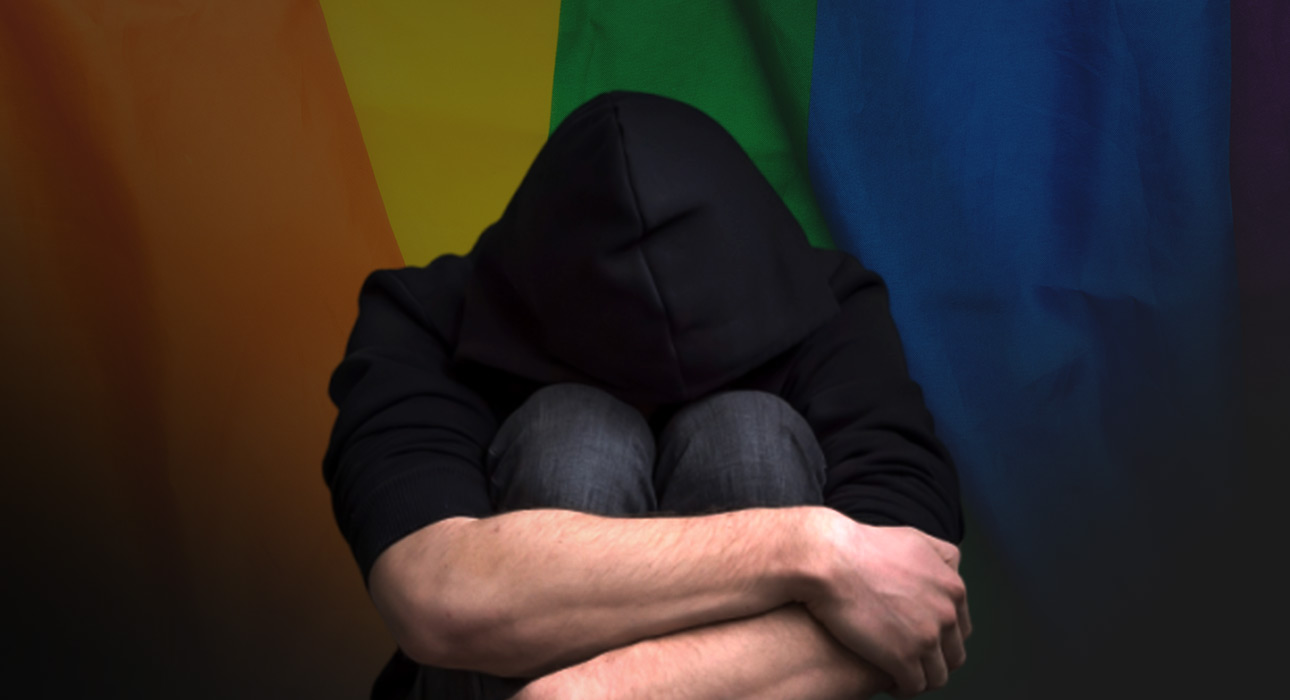
Conversion therapy is also called “reparative therapy”, which refers to practices that are aimed at changing an individual’s sexual orientation or gender identity. In the historical context, this was promoted by religious institutions, medical practitioners, and psychologists who perceived identities that were non- heteronormative as pathological (Haldeman, 1994). It is now widely disgraced and faulted by major health organisations (APA, 2009; WHO, 2020). This therapy points to important questions about the interplay of psychology, ethics, and identity. To understand the “why” behind the historical context usage. It requires analysing the psychological reasoning behind it, especially through the perspective of cognitive dissonance theory and identity formation.
Historical context
Around the 20th century, sexual orientation where same gender being together or homosexuality was classified as a mental disorder in DSM-I and DSM-II (APA, 2009). This classification validated trials to “cure” these individuals through psychotherapy, aversion techniques, or any religious counselling. The religious institutions add these accounts, formulating non-heterosexual identities as a failure of morals (Shidlo & Schroeder, 2002). The prevailing cultural norms often influenced psychologists and psychiatrists, and they usually adopted these norms and views, which led to conversion therapy, a tool to align homosexual individuals with the expected societal norms.
Interplay of Cognitive Dissonance Theory and Conversion Therapy
Cognitive Dissonance theory was given by Leon Festinger in 1957. This states that experiences of an individual’s psychological discomfort while holding conflicts within the beliefs, values, or behaviours. Researchers created conversion therapy to understand it as an attempt to resolve this dissonance between:
- Internal identity: An individual’s sexual orientation or gender identity apart from the biological gender assigned at birth.
- External expectations: These expectations are from society, religious groups, or family norms that demand conformity to heterosexuality or cisgender identity.
For the early practitioners, cognitive dissonance played a major role, where many clinicians ought to believe in the ethical principle of “do no harm” and the cultural norm to “correct” any identity possessed apart from heterosexuality. To decrease their own dissonance, they created conversion therapy to view it as therapeutic, knowing the consequences of the therapy and trying to rationalise their beliefs (Haldeman, 1994).
The individuals who were subjected to conversion therapy experienced dissonance that was even more severe. Those individuals were pressured to align their internal identity to meet societal demands. The therapy, when created, did promise to resolve the dissonance by positioning the behaviour with external expectations. But the true reality was that it amplified the psychological distress of the individuals (Ryan et al., 2018).
Link between Identity Formation and Conversion Therapy
The theory of psychosocial development by Erik Erikson in 1968, highlighted adolescence and young adulthood as the most critical stages for identity formation. In the timeline of these phases of development, individuals search and integrate their own sense of self, which includes identities of both sexual and gender terms. The conversion therapy disrupts the process:
- Disapprove genuine identity: This puts a tag on non-heteronormative identities as wrong or pathological (APA, 2009).
- Imposing external norms: The individuals are motivated to adopt heterosexuality or identities that are accepted by the societal and religious groups, even if they feel conflicted about their internal identities.
- Ruptured identity creation: There are often two identity creations by the individual, one a “public self” which aligns with the external expectations and a “private self” that is the reflection of their original or true identity (Shildo & Schroeder, 2002).
This fake identity leads to long-term psychological distress and consequences, including depression, anxiety, and problems in forming relationships which need trust. The individuals who survived the conversion therapy were reported to have high rates of suicidal ideation and symptoms of trauma as compared to those who were not exposed to such practices (Ryan et al., 2018).
Read More: Erik Erikson’s Theory of Psychosocial Development
Moral Predicaments in Conversion Therapy
This therapy raises many profound ethical concerns:
- Violation of autonomy: Those individuals who were usually exposed to these kinds of therapies by their own parents, religious groups, or pressure from society (Ryan et al., 2018).
- Non-maleficence: The concept of “do no harm’’ was breached, as the conversion therapy habitually leads to psychological trauma (APA, 2009).
- Beneficence vs. cultural conformity: The clinicians or the practitioners who believed that they were helping their clients align with the external expectations. But in reality, what they viewed as “benefit” was created from cultural ethics rather than anything grounded in the psychological well-being of an individual (Haldeman, 1994).
- Justice: Discrimination was sustained through conversion therapy by strengthening normativity for heterosexuality and creating a stigma for LGBTQ+ identities (WHO, 2020).
Read More: Mental Health in the LGBTQIA+: A Persistent Concern
Reasons for continuation
Even though there was plenty of evidence of harm and psychological distress. Historians preserved conversion therapy in its historical context because of:
- Cultural expectations: The usage of conversion therapy persisted as external demands equated heterosexuality with morality (Haldeman, 1994).
- Religious influence: The communities and religious groups that had faith in promoting conversion therapy as something that healed individuals spiritually (Shilo & Schoeder, 2002).
- Professional Dissonance: Practitioners justified conversion therapy as compatible with medical ethics. By knowing the growing evidence of harms and other consequences (APA, 2009).
- Family pressure: Experiencing dissonance of their own between their love and concern for their child and societal demands, parents usually view conversion therapy as a solution for their problem (Ryan et al., 2018).
In today’s scenario, many countries and states forbid or ban conversion therapy (WHO, 2020). The restriction of these practices shows an acceptance and recognition of the identities and rights of LGBTQ+ community individuals and the importance of affirming their identities. In a psychological perspective, the past lessons from conversion therapy underlie:
- The damages of letting biases from cultural and external demands shape therapeutic practice (APA, 2009).
- The significance of recognising the identity formation as a developmental requirement (Erik Erikson, 1968).
- The need to conform and address the cognitive dissonance in clients and practitioners, without maintaining any harmful interventions (Festinger, 1957).
Conclusion
The dark chapter of psychology back in history is illustrated by conversion therapy in which cultural norms, societal expectations and family demands and dissonances in their cognition overshadowed the ethical principles and scientific proofs. Clinicians and practitioners reframed non-heteronormative identities as pathological and disturbed identity formation. It caused long-term damage. The theory of cognitive dissonance helps to understand the reason behind both clinicians and clients making these practices practical. Whereas the theory of the formation of identity indicates the damage caused to developmental stages.
The moral dilemmas, like violation of autonomy, non-maleficence, and justice, all reflect conversion therapy as advisory. It prompts us that the subject of psychology must not be culturally biased and should always give importance to the true identity and well-being of an individual. Finally, the restriction of conversion therapy from countries and from the present context of psychology implies the progress towards a more ethically and psychologically acceptable and safe practice, which also includes inclusivity for all identities.
References +
(2009). American Psychological Association: Annual report, 2008. American Psychologist, 64(5), 295–334. https://doi.org/10.1037/0003-066x.64.5.295
Erikson, E. (1968). Identity: Youth and Crisis. W.W. Norton & Company.
Festinger, L. (1957). A Theory of Cognitive Dissonance. Stanford University Press.
Haldeman, D. C. (1994). The practice and ethics of sexual orientation conversion therapy. Journal of Consulting and Clinical Psychology, 62(2), 221–227. https://doi.org/10.1037/0022-006x.62.2.221
Ryan, C., Toomey, R. B., Diaz, R. M., & Russell, S. T. (2018). Parent-Initiated Sexual Orientation Change Efforts With LGBT Adolescents: Implications for Young Adult Mental Health and Adjustment. Journal of Homosexuality, 67(2), 1–15. https://doi.org/10.1080/00918369.2018.1538407
Shidlo, A., & Schroeder, M. (2002). Changing sexual orientation: A consumer’s report. Professional Psychology: Research and Practice, 33(3), 249–259. https://doi.org/10.1037//0735-7028.33.3.249
(2020). Ending conversion therapy: Protecting the human rights of LGBTQ+ people. [Review of Ending conversion therapy: Protecting the human rights of LGBTQ+ people.] WHO.




Leave feedback about this