






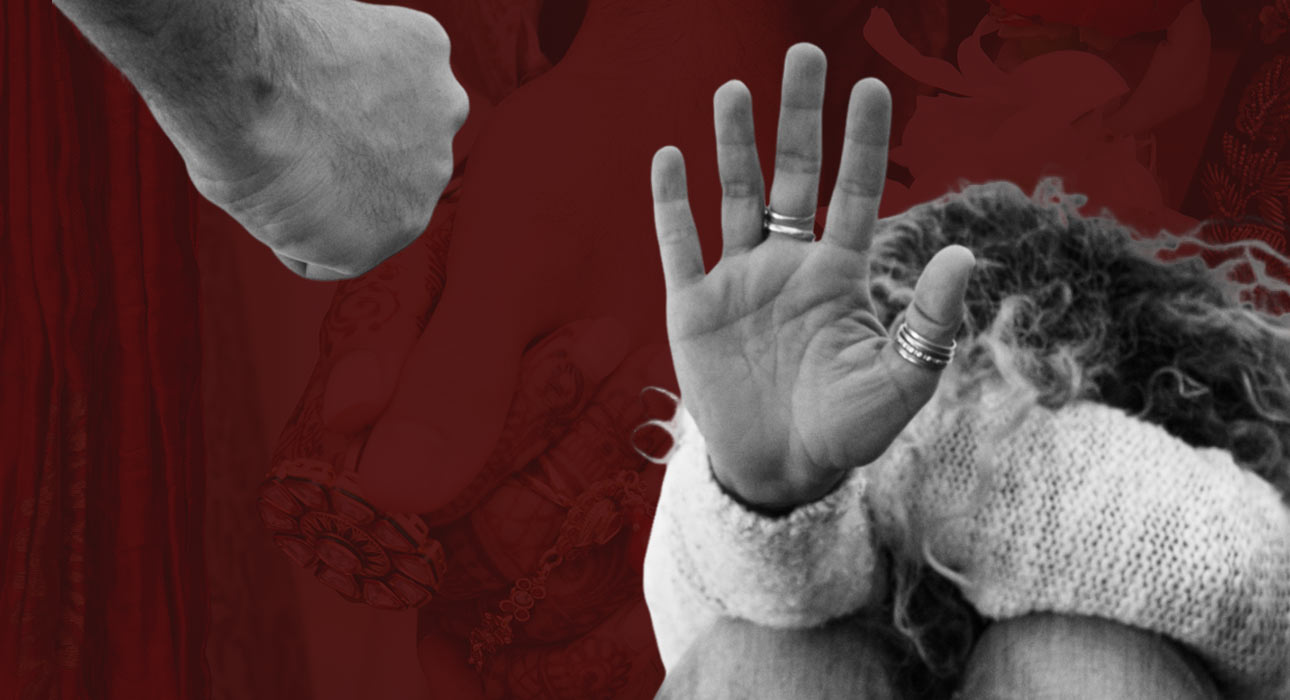
The untimely death of the young woman, Twisha Sharma, aged 31, which took place in Bhopal, once again raises the question of violence committed against women for dowries. According to the article, she died by suicide at her in-laws’ house on May 12, 2026, in Bhopal after being tortured for a dowry and beaten by her husband and mother-in-law. In addition to this, Twisha suffered “antemortem injuries,” which left room for further speculations about the nature of her death.
Although most cases of dowry violence usually tend to get analysed from the legal perspective, there is another point of view – that is, the psychological one. Psychological abuse, harassment, emotional and psychological distressing experiences that follow due to acts of violence in the domestic environment may lead to extremely negative consequences, way before the actual physical abuses ever occur. Therefore, in this particular case, it will be quite important to pay attention to the psychological aspects of violence against women.
If we go by statistics, there have been thousands of complaints regarding the problem of dowry abuse reported in 2022. The aforementioned statistics constitute sufficient evidence for institutional violence against women taking place in the country. On the other hand, each and every one of the above statistics is associated with another tragic story of suffering.
Read More: How Dowry Abuse Becomes a Concern for Women’s Mental Health
Dowry Harassment as Psychological Abuse
The issue of dowry harassment is not limited only to financial pressure but also to physical violence. In many cases, acts of violence are preceded by mental and emotional blackmail and pressure, along with social exclusion and isolation. The effects that these experiences could have included problems in self-perception and mental health issues.
According to the statements provided about the case of Twisha Sharma, before her death, she said that she wanted to return to Noida and leave Bhopal (Times of India, 2026). According to psychologists, statements about escaping from one’s situation are often linked to extreme feelings of distress and exhaustion. Common Psychological Consequences of Abusive Marriages: People who endure abuse in their families often suffer from:
- Anxiety and fear
- Depression and lack of emotions
- Insomnia and stress-related issues
- Feeling isolated and lonely
- Self-respect problems and hopelessness
- Psychological responses related to trauma
The Learned Helplessness Theory, put forward by Seligman (1975), argues that consistent exposure to stressors that cannot be controlled or escaped from can weaken the belief in an individual’s capacity to protect themselves. Victims of domestic violence may find themselves increasingly unwilling to ask for help due to the persistence of the problem.
Exploring the Twisha Sharma Case from the Perspective of Mental Health
The importance of the Twisha Sharma case lies not just in the charges of domestic abuse related to dowry but also in the fact that it shows that emotional distress may exist despite socially appropriate behaviour. According to reports, “Twisha’s family alleged physical abuse and harassment in connection with dowry demands” (Times of India, 2026).
Traumas of an emotional kind tend to be gradual, not instant. Continuous exposure to feelings such as fear, ridicule, fights, and intimidation may cause instability in the individual’s emotions. While physical injuries have an instant effect on the body, emotional wounds are usually created in secrecy.
The Reasons Behind Invisible Trauma
Multiple reasons cause invisible trauma in marital relations:
- Abuse is considered a “private family matter”
- Fear of social stigma or abandonment
- Family discouragement from reporting it
- Emotional distress is downgraded to “adjustment problems”
- Inadequate availability of psychological services
Walker (1979) asserts that individuals who have been coerced in instances of domestic violence will become emotionally dependent, insecure, and confused, such that they will not seek any outside help. The Twisha Sharma incident gained a lot of attention in terms of its forensic and criminal aspects. But also highlighted some of the issues relating to the emotional trauma experienced before such occurrences and the absence of any techniques to detect it quickly
Social Silence on Psychological Well-Being
Another problematic issue associated with dowry-related domestic abuse is that society tends to ignore women’s emotional conditions once they get married. Discomfort in their relationships is often trivialised as a regular marital problem. It causes emotional isolation. Victims of domestic abuse begin feeling guilty, suppressing emotions, and even thinking that seeking professional assistance is an imposition. Since it will affect the family negatively.
Barriers to Seeking Help
Female victims of domestic violence usually do not turn to people for help because:
- Fear of being labelled or discriminated against
- Dependence on their marital family’s finances
- Being manipulated and controlled by abusers
- Lack of knowledge about mental health care options
- Distrust toward institutions’ ability to solve the problem
According to the World Health Organisation (2021), exposure to abuse and threats increases the risk of developing depression, anxiety disorders, post-traumatic stress, and suicide attempts in female victims. Thus, the case of Twisha Sharma cannot be seen only from the perspective of law enforcement issues but also as evidence of the broader psychological vulnerability of females who live in patriarchal societies.
Building Trauma-Informed Responses
Combating cases like Twisha Sharma’s cannot be done without a legal aspect and also a mental health care system. It is important to note that timely psychological support can be beneficial for prevention purposes, too. Key Issues to Consider:
- Psychological Assistance Availability: It is crucial to provide females who have suffered domestic violence with a chance to obtain psychological help from hotlines or counsellors.
- Family Members’ Education: Family members must be aware of the problem of emotional abuse. Understand the process of psychological traumatisation, and do not take the problem for granted.
- Psychologically-Oriented Agencies: Authorities, medical personnel, and law enforcement agencies should pay attention to psychological factors when dealing with cases of domestic abuse.
- Initiating Discussions: Lack of stigma regarding domestic abuse and psychological conditions may lead to seeking professional help for women at the early stages of psychological trauma formation. As far as Twisha Sharma’s case was concerned, the psychological trauma she experienced could have been easily overlooked because all appeared to be fine from the outside.
Read More: The Role of Domestic Violence Counselling in Healing and Recovery
Conclusion
Summing up, the case of Twisha Sharma shows that there is a dire need to consider the mental health perspective in addition to law enforcement issues. Psychological factors like emotional suffering, threats, fear, and humiliation are an integral part of domestic violence cases that have severe consequences on the victim’s mental state. Domestic abuse and its possible results should be viewed not just as a criminal problem. But also as a matter of mental well-being. Since it directly affects the emotions of women and limits their freedom to some extent.
References +
- Naghavi, M., Ong, K. L., Aali, A., Ababneh, H. S., Abate, Y. H., Abbafati, C., Abbasgholizadeh, R., Abbasian, M., Abbasi-Kangevari, M., Abbastabar, H., ElHafeez, S. A., Abdelmasseh, M., Abd-Elsalam, S., Abdelwahab, A., Abdollahi, M., Abdollahifar, M., Abdoun, M., Abdulah, D. M., Abdullahi, A., . . . Al-Aly, Z. (2024). Global burden of 288 causes of death and life expectancy decomposition in 204 countries and territories and 811 subnational locations, 1990–2021: a systematic analysis for the Global Burden of Disease Study 2021. The Lancet, 403(10440), 2100–2132. https://doi.org/10.1016/s0140- 6736(24)00367-2
- Schunk, D. (1991). Self-Efficacy and Academic Motivation. Educational Psychologist, 26(3), 207–231. https://doi.org/10.1080/00461520.1991.9653133
- The Times of India. (2026, May 16). “Multiple antemortem injuries”: Chilling details in Noida woman dowry death case; retd judge gets pre-arrest bail.
- World Health Organisation. (2021). Violence Against Women Prevalence Estimates
- Yukhnenko, D., Farouki, L., & Fazel, S. (2023). Criminal recidivism rates globally: A 6- year systematic review update. Journal of Criminal Justice, 88, 102115. https://doi.org/10.1016/j.jcrimjus.2023.102115
- The Times of India. (2026, May 16). “Multiple antemortem injuries”: Chilling details in Noida woman dowry death case; retd judge gets pre-arrest bail. https://www.researchgate.net/publication/402801760_DOWRY_DEATHS_IN_INDIA_A_PERSISTENT_SOCIAL_SCOURGE#:~:text=Babu%2C,2011)%3A%2035%2D43.




Leave feedback about this