







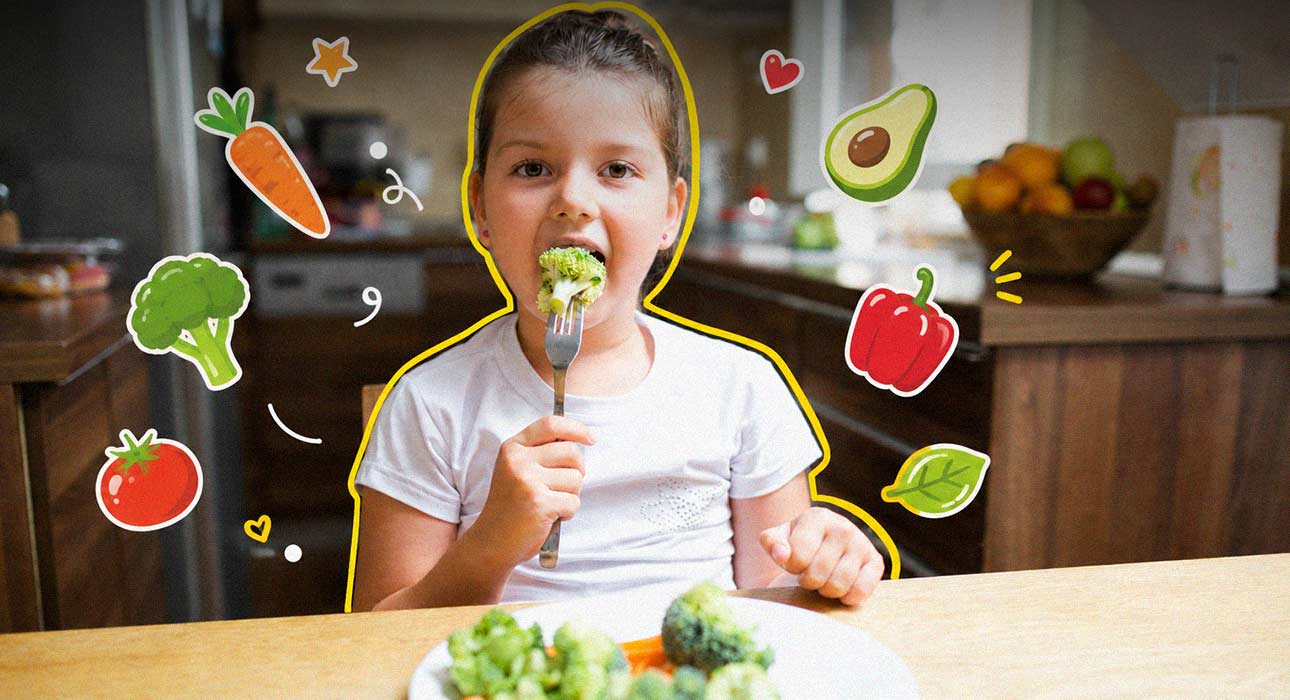
This research explores how a child’s early diet impacts their brainpower as a teenager. By tracking how childhood food habits shape thinking skills and school performance during adolescence, the study highlights how crucial those early years are for long-term brain development.
The study is trying to answer a few questions. One question is whether eating poorly during the infancy stage makes babies a little less smart, and if this stays with them until they are teenagers. Another question is whether eating well during the teenage years can make them smarter than during their infancy stage. This research looks at how the quality of a healthy diet a teen eats during their childhood and teenage years shapes their cognitive growth and IQ.
Read More: Reducing Lead Exposure: A Seven-Point IQ Opportunity for India’s Children
Early childhood food intake shapes brain development
The basic idea is that the brain changes throughout one’s life and that the shape and function of one’s brain determine one’s capacity for thought and learning. What people eat during childhood mostly determines this. Their brain development may be harmed if they don’t eat adequately during the first three years of their lives. This may imply that as teenagers, one may not be fully intelligent unless sufficient nutrients are consumed.
Adolescence is a crucial time when the brain continues to undergo significant changes. This implies that their brains are still able to adjust to new situations and foods. Food can still help them do better in school. Think more clearly during the teenage period. However, food might not be able to fix problems that happened earlier because their brains are very sensitive to the changes that happen when they go through puberty.
Read More: Why Childhood Nutrition Shapes the Brain More Than Adult Diet
Meta-analysis overview
This is an analysis of existing studies, which is formally called a meta-analysis, not a new primary study. This totally comprises 73 studies of youths aged from 8 to 19 years that were selected for analysis, including 25 longitudinal studies that asked questions such as what they ate, how they thought, and how they performed in school, and 48 other unique types of studies comparing two distinct groups.
The researchers employed meta-analysis. The researchers, under the direction of Professor Hayley Young and her colleagues at Swansea University’s School of Psychology, published their findings in the journal Advances in Nutrition. They examined a variety of foods, including iron, iodine, and certain vitamins, to determine whether they improved academic performance and mental clarity in young individuals. They looked for this information in four databases—PsycINFO, Scopus, PubMed, and Web of Science, which collectively comprise large collections of scientific data.
Their primary goal was to determine how the early childhood diet influences intelligence and academic performance.
Correlation between nutrition and intelligence
Research shows that early childhood nutrition is a strong determining factor in how well kids perform in school and score on IQ tests. A lack of proper food during the first three years of life can permanently hinder brain development, resulting in lower teen IQ scores—even when accounting for the child’s living environment
However, there were conflicting outcomes from nutritional treatments during adolescence. In general, there is currently insufficient and inconsistent evidence. This may reflect small samples, brief studies, and limited outcome measures. Improving diet during adolescence, however, may be advantageous for certain cognitive capacities or academic achievement according to certain controlled studies.
Read More: The Role of Nutrition in Supporting Cognitive Growth During Childhood
The author’s stand on the findings
The most obvious point, the authors argue, is that “the foundation for cognitive health seems to be laid very early,” implying that early childhood diet has a big impact on long-term effects. They caution that contradictory results in nutrition studies should not be taken to mean that diet is unimportant but rather that there are variations in the population under study, the timing of diet assessments, the length of interventions, and the particular cognitive skills examined. The team proposes seven guiding principles for better future research:
- Adopt a life-course perspective
- Avoid focusing on individual nutrients in isolation
- Use biologically relevant biomarkers
- Incorporate analyses specific to puberty and sex
- Standardise measures for cognitive outcomes
- Consider context and characteristics of populations.
- Carefully manage confounding variables.
They say these measures will help answer a key question: Does adolescence really provide a second chance for brain development through nutrition?
Conclusion
Research links poor nutrition in a child’s earliest years to lower intelligence as a teen, and improving a teen’s diet helps. It seldom makes up for those early setbacks fully. Early childhood lays the foundation for brain development; therefore, early food habits are important.
References +
- News, N. (2026j, June 5). Early Life Diet Linked to Adolescent Intelligence – Neuroscience News. Neuroscience News. https://neurosciencenews.com/early-diet-adolescent-intelligence-30839/
- Naveed, S., Lakka, T., & Haapala, E. A. (2020). An Overview of the Associations between Health Behaviours and Brain Health in Children and Adolescents with Special Reference to Diet Quality. International Journal of Environmental Research and Public Health, 17(3). https://doi.org/10.3390/ijerph17030953




Leave feedback about this