







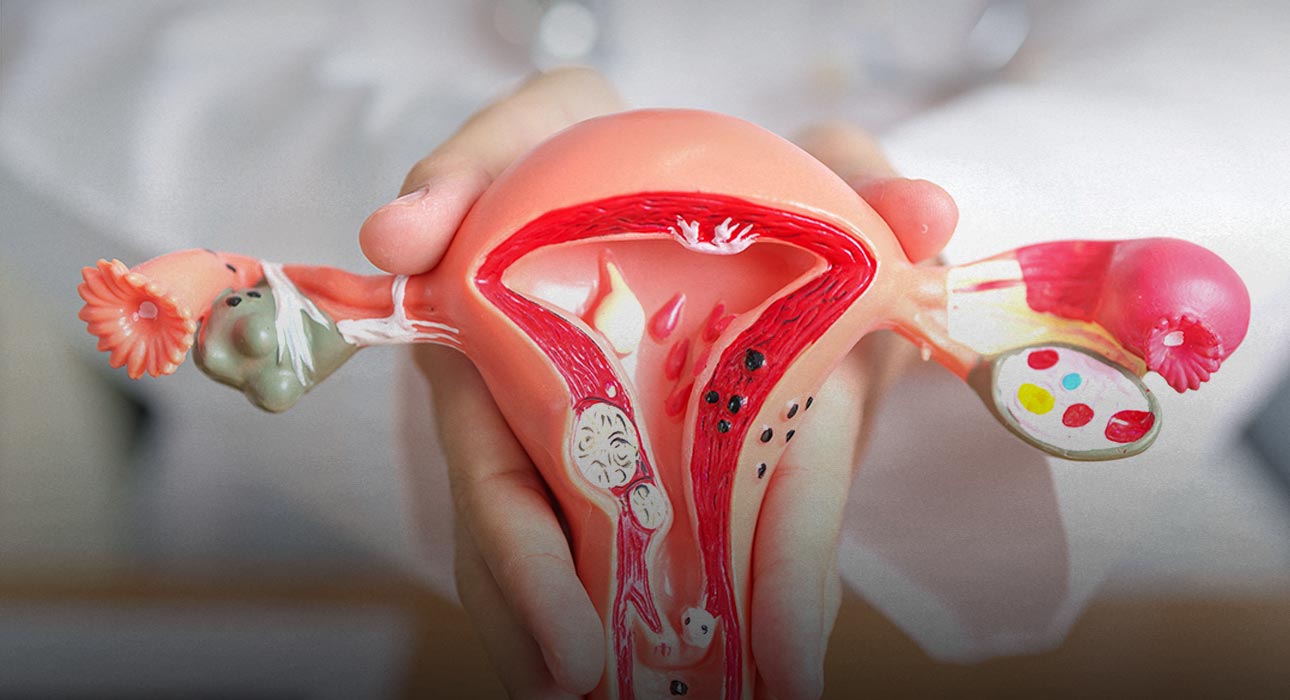
Polycystic Ovary Syndrome, also known as PCOS, is a widely known condition causing hormonal fluctuations. It impacts 1 in 8 women or more than 170 million women worldwide. For a long period of time, it has been argued by experts that the name is misleading. A global effort by Monash University has led to a change in the terminology. PCOS will now be called Polyendocrine Metabolic Ovarian Syndrome (PMOS). The name better reflects the condition and captures the full spectrum of the complex conditions.
The false information surrounding PCOS
PCOS is the most common hormonal condition affecting women at their reproductive age. The ovaries start producing excess of androgen (hormones that regulate masculine characteristics), causing irregular periods, acne, weight gain and fertility difficulties. The term was considered misleading as PCOS does not actually have ovarian cysts. It highlights the main issue to be ovarian cyst, but actually, it is a complex imbalance in hormones and metabolic activity of the whole body. The term PCOS focuses on the ovaries. It did not represent the broader nature of the condition. Many women with PCOS do not actually have ovarian cysts, but it still looks like that in ultrasound scans. Labelling such conditions as PCOS delays diagnosis and effective treatment. It causes dissatisfaction among patients.
Read More: The Psychology behind Hormonal Changes
PMOS: Polyendocrine Metabolic Ovarian Syndrome
PMOS is a condition characterised by fluctuations in hormones, impact on weight and mental health, skin and reproductive system. Most common signs and symptoms include:
- Irregular periods: It is often characterised by irregular or missed periods or sometimes not having periods at all. Some may experience heavy bleeding, too.
- Acne: PMOS causes hormonal imbalance, which further causes acne on the back, chest and face. It may continue causing acne even after passing teenage years, and maybe difficult to treat.
- Abnormal hair growth: excess facial hair growth may be noticed. PMOS causes heavy hair growth on the arms, chest, and abdomen.
- Obesity: the most common symptom is the difficulty maintaining a healthy weight. Most of the women with PMOS experience obesity.
- Infertility: This is yet another common characteristic of PMOS. Not ovulating regularly or irregular ovulation can lead to difficulty in conceiving.
Psychological Impact
Experts renamed PCOS to capture all the abnormalities it causes. Not only physically, but it is also associated with psychiatric disorders, including mood and anxiety disorders ( Dokras et al., 2018). They may experience a decline in cognitive functions such as verbal and visuospatial learning, memory, and executive functions.
It may also cause early morning exhaustion when the individual wakes up, and brain fog due to insulin resistance. They may also experience poor quality of life due to fatigue and mood instability. Changes in the physique may also cause self-esteem and body image issues. Often, the mental health impact goes unnoticed. It is important to address mental health challenges by providing counselling and participating in support groups.
References +
Society, E. (2026, May 12). Polyendocrine Metabolic Ovarian Syndrome: New name to improve diagnosis and care of the condition affecting 170 million women worldwide. Endocrine Society. https://www.endocrine.org/news-and-advocacy/news-room/2026/pcos-name-change
Dokras, A., Stener-Victorin, E., Yildiz, B. O., Li, R., Ottey, S., Shah, D., Epperson, N., & Teede, H. (2018). Androgen Excess- Polycystic Ovary Syndrome Society: position statement on depression, anxiety, quality of life, and eating disorders in polycystic ovary syndrome. Fertility and sterility, 109(5), 888–899. https://doi.org/10.1016/j.fertnstert.2018.01.038
Polyendocrine metabolic ovarian Syndrome (PMOS). (n.d.). Cleveland Clinic. https://my.clevelandclinic.org/health/diseases/8316-polycystic-ovary-syndrome-pcos



Leave feedback about this