






Stress is an unavoidable experience for every individual. Although the commonly known response of the body against danger is the “fight-or-flight” response, it does not illustrate how human beings cope with emotional pain, uncertainty and fear. Many individuals prioritise seeking emotional support and spending time with their loved ones when they feel stressed, while others might develop aggression and try to escape the situation (Taylor et al., 2000). For a better understanding, consider the following example.
The exam results are declared. Student A and Student B have both performed poorly, which has made them anxious and stressed about their future. Student A decides to approach her parents for reassurance and moral support. While student B reacts by lashing out at her friends and avoiding discussions about the results. This shows how, in the same scenario, two distinct individuals under stress can either choose to seek support or display aggressive behaviour.
In the year 2000, psychologists introduced the “Tend and Befriend” stress model. The model not only transformed the understanding of stress but also emphasised the importance of emotional bonding during stress (Taylor et al., 2000).
Beyond Fight-or-Flight Theory: Is Stress Dangerous?
In the early twentieth century, the “fight-or-flight” response theory was introduced. According to the theory, individuals, when facing danger, either choose to fight or escape from the situation (Cannon, 1932).
Although the theory explained the physical reaction of individuals against danger, the social nature of human beings was heavily overlooked. It is observed that individuals tend to seek emotional support at the time of crisis by hugging their loved ones, talking to their close friends, spending time with their partners and the like.
Psychologists concluded that individuals, especially women, often respond to stress by tending to others and befriending supportive social groups rather than escaping or indulging in aggression. These observations lead to the formation of the “Tend and Befriend” stress model, which expanded the idea of stress from being a biological reaction into a deeply rooted emotional experience (Taylor et al., 2000).
What Is Tending & Befriending?
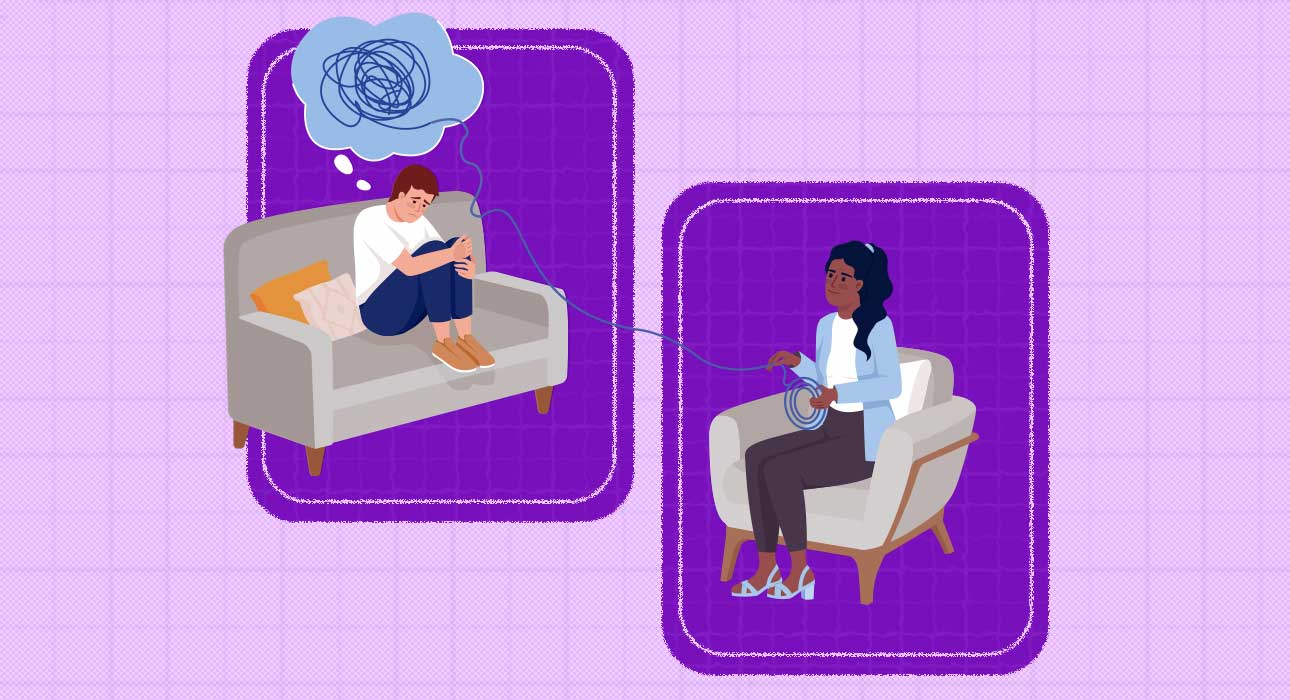
‘Tending‘ refers to the act of caring for others in stressful scenarios.
For instance, a mother calming her frightened child during thunder while being scared herself.
Such behaviour often helps in reducing stress and tension and creates a sense of safety within the mind of the person receiving the care and the carer (Taylor, 2006).
‘Befriending’ refers to seeking emotional support from others.
For instance, after losing a job, a man reaches out to his partner to speak about his worries and seek emotional support.
Social bonds tend to provide a sense of security and reassurance to individuals (Thoits, 2011). During natural calamities, people form communities and share resources. Such social behaviour helps an individual to feel less anxious.
Is Stress Emotional or Biological?
Hormones associated with emotional bonding play an influential role in directing stress responses alongside adrenaline and cortisol (Taylor et al., 2000). One of the hormones that deeply influences emotional bonding is oxytocin.
Oxytocin plays a crucial role in reducing fear and developing trust (Heinrichs et al., 2009) and is commonly known as the “bonding hormone”. In stressful situations, supportive relationships help in regulating the nervous system and maintaining composure and emotional stability. The “Tend and Befriend” stress model emphasised that human connections have a profoundly biological impact on emotional survival, thereby explaining why hearing words of reassurance can calm an individual when distressed.
How Social Connections Shape Stress Responses
The Relevance of the Tend and Befriend Stress Model in Everyday Life. The “Tend and Befriend” stress model is relatable in everyday human experiences. Some of these experiences are:
- A student struggling in academics might prefer talking to their close friends for encouragement.
- A grieving family often gathers together after a loss.
- Social media communities provide a space for individuals to share their struggles and receive empathy from others.
In modern society, emotional isolation is becoming increasingly common. However, studies have concluded that the feeling of being understood in distressful situations reduces anxiety, fear and emotional turmoil more effectively than facing the stress alone (Holt-Lunstad et al., 2010). However, no model is 100% perfect. The “Tend and Befriend” has its own limitations. Some of the criticisms of the model are:
- The model primarily focuses on women’s stress responses, raising concerns about its applicability to all genders.
- The model does not clearly explain responses to severe trauma, such as emotional numbing and social isolation.
- Not everyone responds to stress by seeking emotional support; some socially withdraw and become aggressive, and some choose to avoid others.
- Stress responses can be complex, and individuals might show both tend-and-befriend behaviour depending on the situation.
Read More: Screen Fatigue and Academic Stress in the Age of Digital Education
Being Tough Is Like Raising the Devil to Eat You
Society praises emotional toughness. However, researchers have concluded that supportive relationships are the strongest opponent of stress, depression and trauma (Ozbay et al., 2007). The “Tend and Befriend” stress model challenges the social norm of vulnerability being a sign of weakness. Emotional bonding helps an individual to heal and to maintain their emotional stability in the most distressful moments of their life. Studies have associated strong social relationships with lower levels of anxiety, depression and psychological distress. It is important to understand that survival includes not only being able to withstand stress but also accepting the need for emotional support and bonding.
Conclusion
The “Tend and Befriend” stress model challenged the prior research outcomes, which were heavily focused on males and illustrated stress response as aggressive. The model remarked that not only women but even men need emotional support, which is often overlooked due to social expectations. By emphasising caregiving, empathy and social bonding, the “Trend and Befriend” stress model broadened stress psychology beyond the fight-or-flight theory.
The model continues to be influential in the domain of modern psychology, as it highlights the vulnerability of human nature and remarks on the fact that healing is deeply influenced by emotional bonds. In moments of fear, survival is not only subject to strength or escape but also to the relationships, emotional support and society’s acceptance towards vulnerability.
References +
- Cannon, W. B. (1932). The wisdom of the body. W. W. Norton & Company.
- Cohen, S., & Wills, T. A. (1985). Stress, social support, and the buffering hypothesis. Psychological Bulletin, 98(2), 310–357.
- Taylor, S. E., Klein, L. C., Lewis, B. P., Gruenewald, T. L., Gurung, R. A. R., & Updegraff, J. A. (2000). Biobehavioral responses to stress in females: Tend-and-befriend, not fight-or-flight. Psychological Review, 107(3), 411–429.
- Taylor, S. E. (2006). Tend and befriend: Biobehavioral bases of affiliation under stress. Current Directions in Psychological Science, 15(6), 273–277.
- Ozbay, F., Johnson, D. C., Dimoulas, E., Morgan, C. A., Charney, D., & Southwick, S. (2007). Social support and resilience to stress: From neurobiology to clinical practice. Psychiatry, 4(5), 35–40.
- Heinrichs, M., von Dawans, B., & Domes, G. (2009). Oxytocin, vasopressin, and human social behaviour. Frontiers in Neuroendocrinology, 30(4), 548–557.
- Holt-Lunstad, J., Smith, T. B., & Layton, J. B. (2010). Social relationships and mortality risk: A meta-analytic review. PLoS Medicine, 7(7), Article e1000316.
- Thoits, P. A. (2011). Mechanisms linking social ties and support to physical and mental health. Journal of Health and Social Behaviour, 52(2), 145–161.



Leave feedback about this