







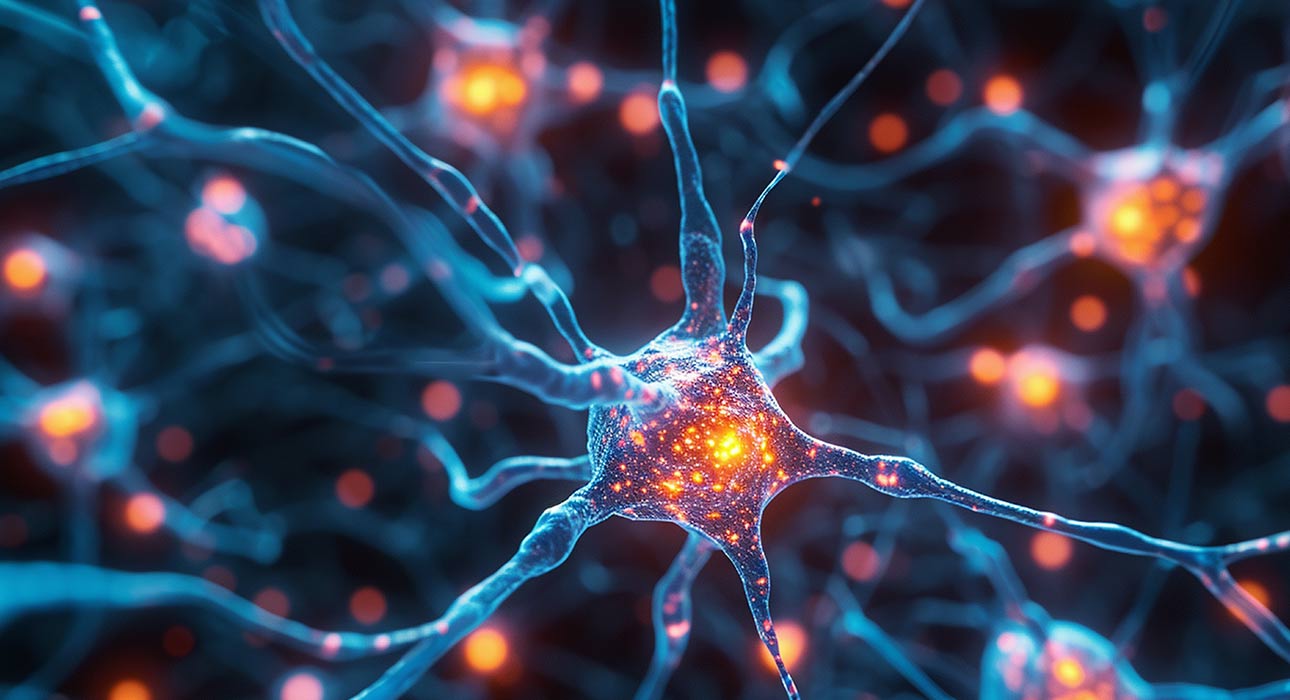
For the specific purpose of keeping the human brain in a calm state, there is a gene known as KCNQ2. It, in a way, acts as a brake upon the human brain and relaxes it, which helps in preventing neurons from over-firing. In research conducted by scientists, they discovered that these genes only perform their work properly if they reach at the exact place inside the brain and are already working properly. Their work depends upon their location.
Understanding KCNQ2
A team of researchers at the University of Osaka conducted research that presented surprising results in front of them. The experimental study conducted by the scientists on the working of the KCNQ2 gene revealed that the work of KCNQ2 highly depends upon where it is located inside the brain. This study focused especially upon the KCNQ2/3 gene and how it performs its function, not only this, but also how well these genes work to control electrical signals inside the neurons. It also focused on their location inside the cell, which could help in providing a cure to patients who are suffering from problems and with diseases related to this part of the brain, such as epileptic disorders.
Read More: Epilepsy- A lifelong condition
Research details
For the KCNQ2/3 genes in order to work properly & perform their functions well, they must be located in the right place and correct cellular region inside the human brain, specifically the axon initial segment known as AIS, in short. AIS are the sites and locations inside the neurons where electrical signals, which are transmitted to the brain, are first triggered; in other words, they work in controlling nerve cell-related activities. This raised a question in front of the neurologists and made them think whether the functions of KCNQ2/3 channels have any kind of effect upon their cellular location, or whether these 2 are not linked in any way at all?
During the investigation and experiment on the whole topic, the team of neurologists genetically took a closer look at the functionality of these genes and channels, then later on, the researchers started working on the channel trafficking image in order to visualise whether the channel genes were in the AIS location. In this way, the researchers were able to show that the functions performed by the KCNQ2/3 gene were linked with correct cellular location.
Read More: Rejuvenating Brain Neurons: A Breakthrough in Neuroplasticity and Mental Health
Major Findings
After the completion of this research, the researchers found that the active confrontation of the KCNQ3 gene was extremely significant for the purpose of ensuring the stable binding of KCNQ2/3 with ankG. Further, it confirms the fact that KCNQ2/3 is required for proper accumulation at AIS. The finding highlighted the link that exists between KCNQ2/3 functions and location and provided the scientists with clues that the alteration of these genes might have an effect on neuronal excitability.
Author’s Perspective
A senior author of this study, Yasushi Okamura, stated that now that they have discovered that KCNQ2/3 functions are very closely linked with the place and its specific location inside the AIS, they have more solid targets to start studies that involve ways through which KCNQ2/3 and the disorders its alteration causes can be provided with a cure. This will make life easier for many people. He also said that keeping such potassium channels properly working is also a crucial thing, which will ensure that they reach the proper location inside the brain cells.
These findings may play a significant role in the development of some ways through which KCNQ2/3 related neurological disorders, including the problem of epilepsy, might be treated, which increases hopes among millions for a better life.
Conclusion
This research generates a ray of hope among patients who are suffering from problems that are related to neurological disorders. It confirmed that the working of KCNQ2 depends upon its location, and it would only perform its functions well if it reaches its proper place inside the AIS.


Leave feedback about this