







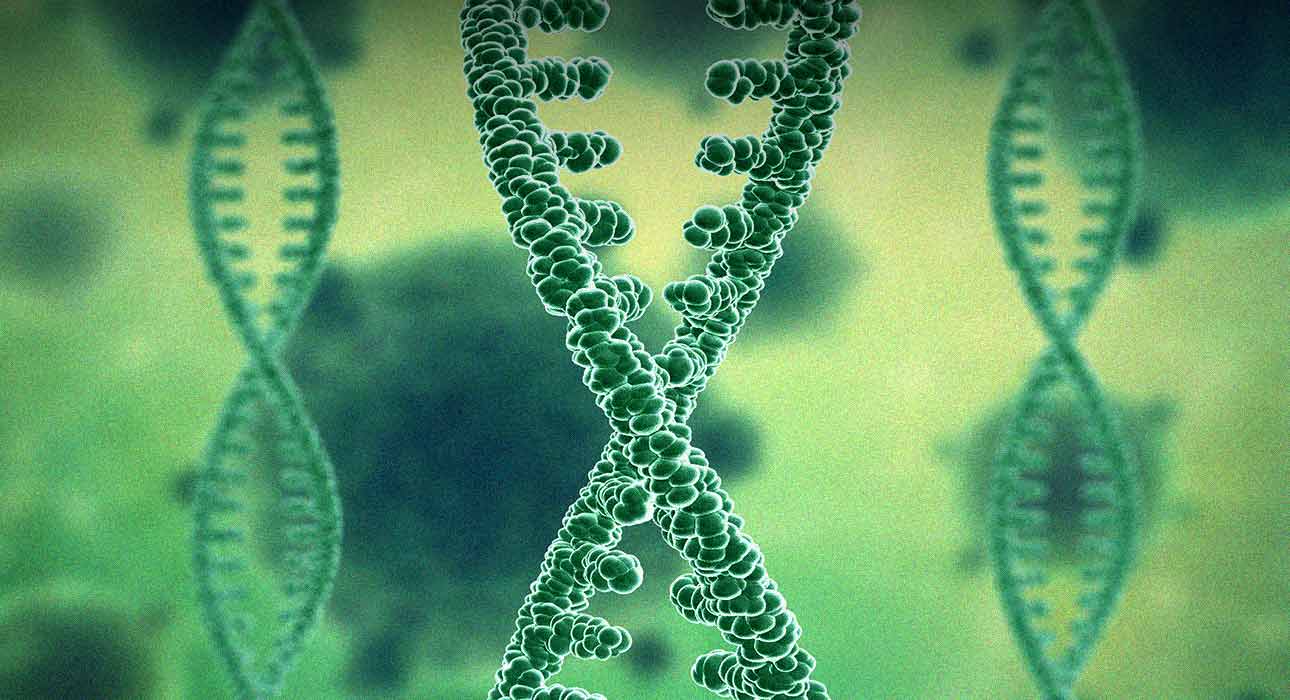
Cocaine addiction is a serious public health problem, and many people who start using the drug develop compulsive, hard‑to‑control patterns of use that are very difficult to treat. Past studies have focused on the neural reward pathways; however, this latest study is notable because it reveals that certain gene risks that increase the likelihood of addiction may be found within the liver, affecting metabolism within the body.
This study seeks to find genes that play roles in addiction susceptibility or resilience, as well as finding out whether these genes work exclusively in the brain or have an effect on other organs, such as the liver. Finding out what genes control addiction could help develop therapies using those particular genes, thereby creating more efficient treatment methods.
Read More: Research: How Addictive Drugs Can Hijack the Brain’s Reward System
Understanding the main theme
The current study demonstrates that various factors play an important role in the development of addictions, including not only the brain pathways responsible for the development of addiction but also the physiological properties related to the metabolic capabilities of the body for processing drugs, especially the enzymes from the Ces1 family that are secreted by the Ces1 gene cluster in the liver. The examination of how the Ces1 enzymes impact cocaine metabolism might shed light on the process of drug addiction.
To put it plainly, when someone or a rat has a form of the Ces1 gene, which means the metabolism is quick in breaking down cocaine, then there will be a fluctuation in the cocaine levels in the bloodstream, resulting in cravings for more drugs. The implication from this study is that drug processing is a critical determinant of normal versus addictive drug use.
Research details
Researchers at the University of California, San Diego, and collaborators used a very large sample of 836–900 genetically diverse “heterogeneous stock” rats, which are bred specifically to mimic the wide genetic variation seen in human populations. These rats self‑administered cocaine over extended periods, allowing scientists to measure addiction‑related behaviours such as how quickly they learned to take the drug, how much their intake escalated, and how compulsively they kept pressing for more.
The team then performed a genome‑wide association study (GWAS), analysing millions of genetic markers in each rat to find which DNA regions were linked to specific patterns of cocaine‑taking behaviour. They identified six genomic regions tied to addiction‑like traits and focused especially on a locus on chromosome 19 containing several carboxylesterase genes (Ces1c, Ces1d) that are equivalents of the human CES1 gene, as well as another gene called Trak2 that had already been linked to cocaine use disorder in human studies.
Major findings
The study found that variations in the Ces1 gene cluster in the liver were strongly associated with how frequently and compulsively rats self‑administered cocaine, including the time interval between doses and the escalation of intake over time. Three specific coding variants in Ces1c and Ces1d were in perfect linkage with a key locus, indicating that changes in these liver enzymes likely alter cocaine metabolism in ways that influence compulsive behaviour.
Beyond Ces1, the researchers identified six major genetic regions tied to different addiction‑like phenotypes and successfully replicated a known human vulnerability marker in the Trak2 gene, strengthening the link between the rat findings and human cocaine use disorder. These results suggest that genetic differences in drug metabolism and related pathways can shape psychological and behavioural outcomes, such as how quickly use escalates and how difficult it is to stop.
Author’s perspective
The researchers describe the discovery of a liver‑based enzyme shaping cocaine‑taking behaviour as an “aha” moment, emphasising that addiction should be seen as a whole‑body disorder, not just a brain disease. In their view, showing that Ces1 genes in the liver can drive compulsive use challenges the traditional brain‑only model and expands the biological map of substance use disorders.
They also argue that Ces1 and related pathways offer a promising treatment target: instead of directly altering brain reward circuits, which can cause side effects like emotional blunting, future medications could be designed to tweak liver enzymes so that cocaine is metabolised in a way that reduces its addictive pull. The establishment of preclinical addiction biobanks with blood, urine, brain, and other tissues is seen as a key step toward developing blood‑based biomarkers that could predict who is at higher genetic risk before addiction develops.
Conclusion
Overall, the study shows that a specific cluster of liver genes, Ces1, is closely linked to compulsive cocaine self‑administration in genetically diverse rats, and it identifies six genomic regions, including Trak2, which connects animal findings to human cocaine use disorder. The key takeaway is that genetic control of cocaine metabolism in the liver can strongly influence whether drug use remains limited or becomes compulsive, and that these liver‑based pathways may be powerful new targets for prevention, diagnosis, and treatment.
References +
- News, N. (2026p, June 11). Ces1 Genes Linked to Compulsive Cocaine Addiction – Neuroscience News. Neuroscience News. https://neurosciencenews.com/ces1-genes-cocaine-addiction-30873
- Ktori, S. (2026, June 11). Potential Cocaine Addiction Targets Identified Through Genetic Mapping in Rats. GEN – Genetic Engineering and Biotechnology News. https://www.genengnews.com/topics/drug-discovery/potential-cocaine-addiction-targets-ident ified-through-genetic-mapping-in-rats




Leave feedback about this