







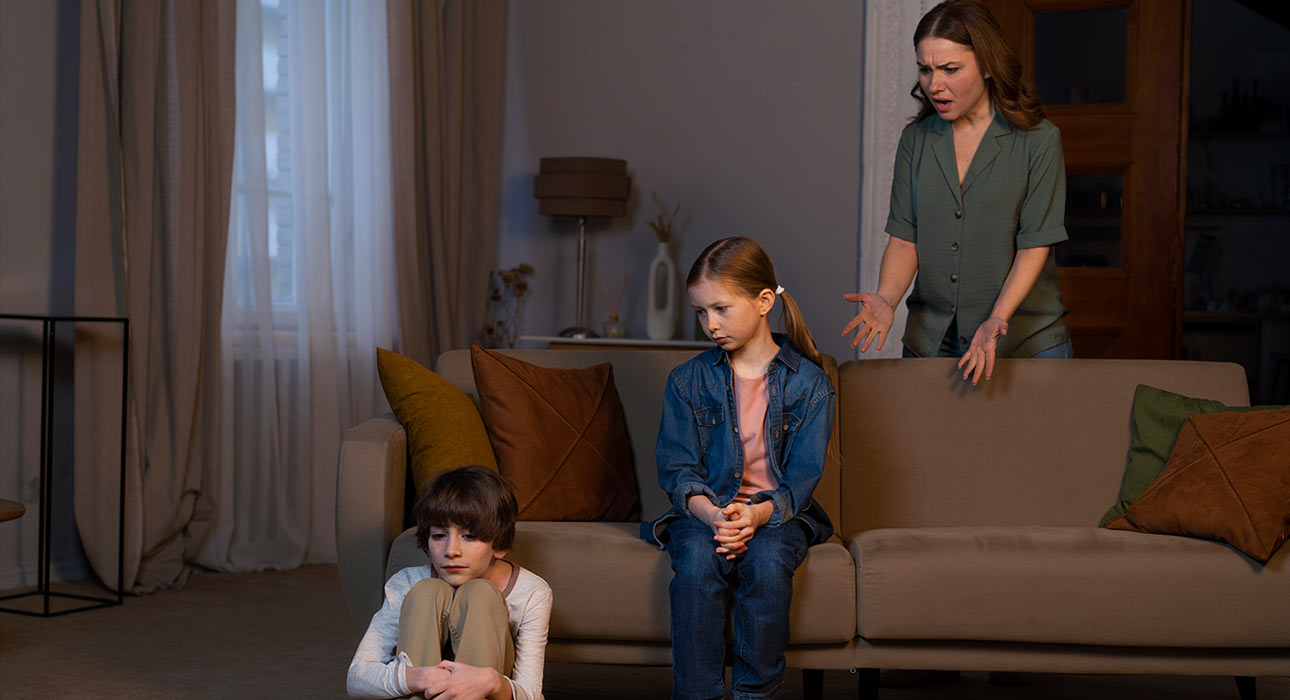
When kids are young, friendships are very important for their support in social growth and mental health. Sometimes parents are not welcoming of their kids’ friendships. Try to stop them. This research is about how parents’ disapproval affects kids’ friendships. Researchers want to assess this tendency in facilitating or hindering kids’ social relationships. The study mainly talks about how mothers’ negative opinions about a child’s friends influence the quality and stability of those friendships.
Understanding the main objective of kids’ friendships is important. The idea of the study is how parents influence kids’ relationships with their peers. When kids are young, friendships help them feel more confident, learn how to communicate and feel safe emotionally. For example, kids’ friendships help them in learning and developing skills. When parents are not encouraging this act of learning from friends, kids may feel like they have to end those friendships. This makes kids worry.
The study says that when parents interfere too much, friendships can worsen and reduce the support and warmth kids feel from their friends. Parents often try to protect kids from bad influences, shaping discipline. Still, too much control can make kids feel sad, lonely, less supported by others or cause them to become distant from parents emotionally. Forming friendships during childhood is important in kids’ lives.
Read More: Importance of Friendships and Their Impact on Mental Health
Research Details
Researchers from Florida Atlantic University and Mykolas Romeris University, including Brett Laursen and Goda Kaniušonytė, did this study. They published their findings in the journal Child Development. The study was done over two years. They studied 394 students in Lithuania aged 9 to 14. The students answered questions about their friendships.
They collected data during three semesters. The students answered questions about:
- Whether their mothers disliked or discouraged their friendships.
- The quality of their friendships.
- Whether their friendships ended over time.
The main goal was to understand if parental disapproval leads to disruption in friendships and analyse how it is associated with kids’ emotional and social wellbeing. Kids’ friendships are important for their personal growth.
Major Findings
The study found that disapproval of parents by friends often leads to the end of those friendships. Many kids whose mothers did not like their friends eventually lost those friendships. Some important findings included:
- Mothers’ disapproval reduced the warmth, trust and emotional support in friendships.
- About one-third of friendships ended during the study.
- Younger kids were emotionally affected by interference more than older kids.
- Kids who lost friendships due to pressure sometimes felt lonely, isolated and distressed. Kids’ friendships can be very sensitive.
- Ending friendships did not always help kids form relationships. Some kids struggled to find friendships afterwards. Kids need time to develop friendships.
Authors’ Perspective
The researchers thought that although parental interference can end friendships, it may not always be good for the child. Brett Laursen said that forcing kids to end friendships should not automatically be seen as parenting. The authors suggested that parents should avoid being too controlling and instead:
- Talk openly with their kids about their friendships.
- Provide support to their kids.
- Help kids make friendship choices on their own. Kids’ friendships are a part of their lives.
Conclusion
According to the researchers, supportive parenting is more effective than prohibition in helping kids manage peer relationships. The study concludes that parental disapproval can strongly influence kids’ friendships and often leads to friendships ending. However, excessive interference may negatively affect kids’ emotional and social well-being. Kids’ friendships need to be nurtured.
Reference +
News, N. (2026, May 20). Parent Disapproval Destroys Childhood Best Friendships Neuroscience News. Neuroscience News. https://neurosciencenews.com/parental-disapproval-child-friendship-30737/


Leave feedback about this