






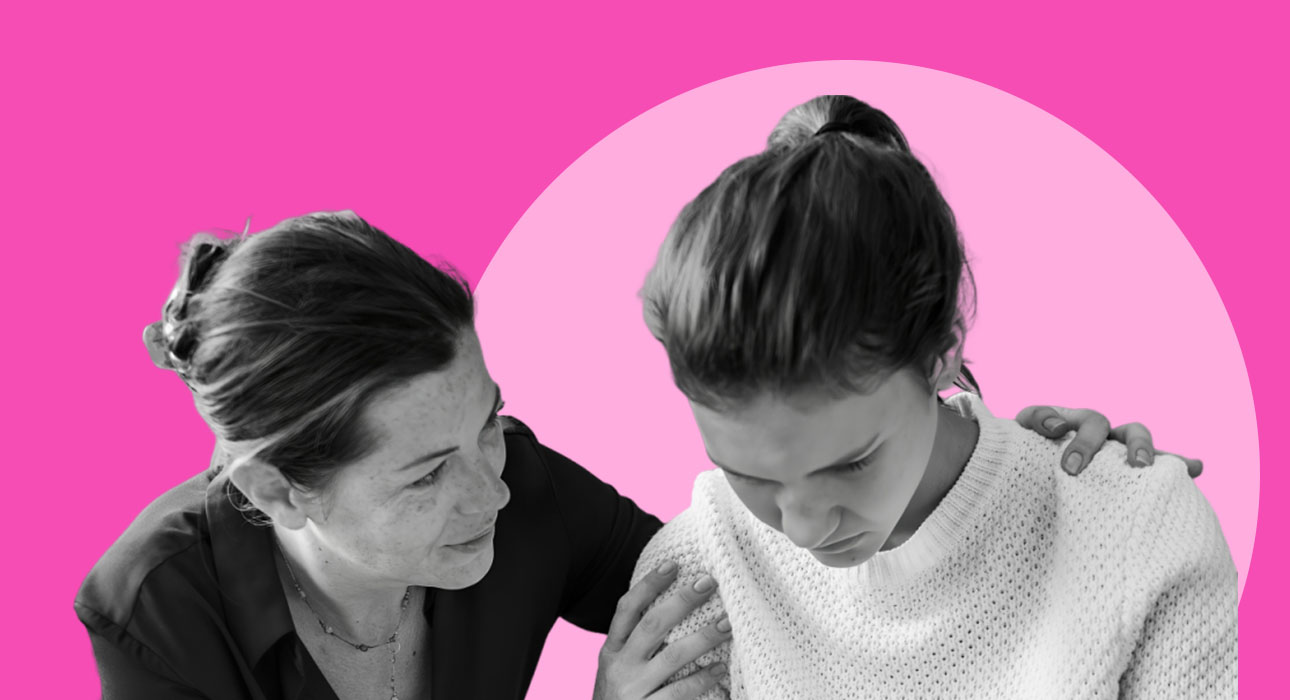
Kaya is a kindergarten student. Last Friday, she fought with her classmate as he snatched the crayon from her. On Monday, her teacher was a little worried about how she would patch things up between the two. However, as soon as the boy entered the class, he went to Kaya and apologised. He also brought an extra candy to make it up to him. When her teacher asked how Kaya felt, she was feeling awkward about the apology, and she said, ‘No one has ever apologised to her’. Many people have a hard time accepting an apology like Kaya’s. There can be many reasons behind this, personal, social, psychology etc.
Read More: The Silent Apology: When People Repair Without Words
How does a proper apology look?
Research by psychotherapists like Harriet Lerner suggests that a functional apology requires more than regret. It requires:
- Validation: Focus should be on acknowledging the specific hurt caused. For example, in an argument, an individual should try to understand what actually hurts – the message, the tone, the pitch, the action, etc. Keeping one’s own viewpoint or feelings in front of others is normal, but there are a few other cues (how an individual said things and non-verbal cues, etc.) that might hurt others, which must be acknowledged.
- Responsibility: Removing “if” or “but” from the sentence. For example, statements like “if you are so sensitive, I am sorry” should be avoided.
- Repentance: An individual should commit to change, like I am sorry, I will try changing my habit.
- Restitution: If the damage is serious, the individual should make an offer to make things right. For example, I am sorry, I should not have talked to you in a loud tone. How about I read you a bedtime story tonight to make it up to you?
When any of these components are absent, the apology might seem incomplete, which naturally causes resistance. Yet, even when an apology is well-structured, psychological obstacles can stop it from being fully accepted.
How does one’s attachment style affect their response to an apology?
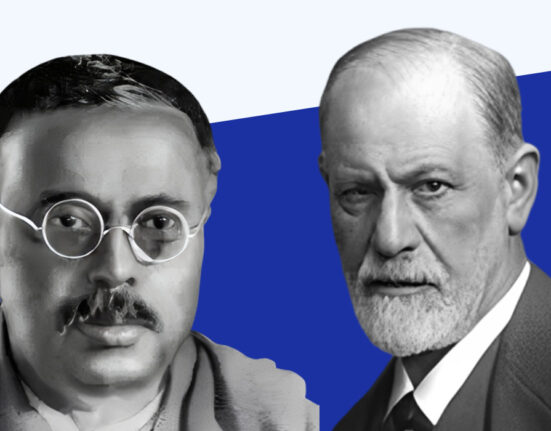
Mary Ainsworth conducted a study focusing on how the child responds to separation from the caregiver. This, when studied in depth, explains how an individual makes expectations about a relationship in future. She mainly pointed out three attachment styles: secure attachment, Anxious (or ambivalent) attachment style, and avoidant-dismissive attachment style. Individuals with secure attachment style often do not have any issue in accepting an apology, as they are mostly secure in the relationship, given that they do not have any traumatic past experiences.
Read More: Is Attachment Style Shaping Your Adulthood
1. Anxious (or ambivalent) attachment style
People who have an anxious attachment style often want to be close to others but are worried about being left behind. For these individuals, an apology might be taken too readily because they are eager to fix the relationship and feel secure again. However, if the harm caused was deep, they might have trouble accepting the apology. This is because they might see the mistake as a sign that they are not truly loved or valued. They might also get stuck in a cycle of thinking about the situation, seeing the apology as only a short-term solution that doesn’t address their deeper fear of being abandoned.
Read More: The Psychology Behind the Fear of Abandonment
2. Avoidant-dismissive attachment style
During the experiment, Mary noticed a group of children who seemed unaffected when their caregiver left. Ainsworth discovered this wasn’t a lack of emotion, but a defensive response. These individuals tend to avoid close connections even later in life(Zhang, 2024). For someone who avoids close connections, apologising can seem like a sign of weakness or dishonesty. Accepting an apology involves showing vulnerability and opening up emotionally, which can feel uncomfortable or even dangerous. They might refuse an apology to keep a strong sense of self-reliance, thinking that “I don’t want your apology because I don’t care about what you do.”
3. Disorganised Attachment style
After Mary Ainsworth, Solomon, and Main noticed a major group of children did not fit in any of the categories. They highlighted the fourth attachment style – the disorganised attachment style. Research shows that individuals with disorganised attachment often have a hyper-reactive amygdala and a weakened connection to the prefrontal cortex.
Another research highlighted that individuals with disorganised attachment style often tend to have higher cortisol levels. (Gunnar& Donzella, 2002). These individuals often have a hard time accepting an apology. They desire affection, care, and closeness, but often end up associating it with pain. An apology from a loved one often feels like uncertainty, where they want to forgive but are often alarmed by their physiological reactions and past reactions.
Are there any Cognitive Barriers to Forgiveness?
Forgiveness research shows that forgiving is not a single act but a cognitive and emotional process. Studies on forgiveness indicate that it is a type of emotional coping mechanism that holds significance in clinical environments, as it can support both physical and psychological well-being (Worthington et al., 2005; Witvliet and McCullough, 2007). Researchers have shown that forgiveness is linked to lower levels of anxiety and depression (Freedman and Enright, 1996). Various psychological hurdles affect an individual’s response to an apology:
1. Emotional Dysregulation
For many people, an injury leads to an “emotional debt” they feel can never be repaid. For example, any major loss, such as losing a loved one, economic losses, mental stress, etc., is often felt as irreparable. If someone has difficulty managing their emotions, the anger caused by the hurt becomes a lasting condition. An apology is often seen as not enough to make up for the deep emotional pain they have experienced.
2. Fear of Condonation
A common mistake in thinking is confusing forgiveness with justification. Many individuals reject apologies because they think accepting them means they are acknowledging the behaviour as acceptable or that they are allowing the person to repeat it. For example, if a child breaks an expensive crockery set, a mother might think that if she forgives her child, they might do it again.
How do physiology and experience affect their reaction towards an apology?
When someone feels hurt, their brain’s limbic system, which is responsible for emotions, becomes highly active. For individuals who have gone through trauma, an apology alone might not be enough to calm the amygdala, which is part of the brain that triggers fear and stress. A slight argument or loud tone may activate their amygdala, forcing the brain to take a low route to process the information.
This can lead to skipping of processing the information in the prefrontal cortex. Even if the individual cools down, their past trauma may cause them to process information differently. If the prefrontal cortex, which handles reasoning, understands that the apology is genuine, the body may still react as if the person who hurt them is a threat.
Cultural and Social Variables
When it comes to human behaviour, cultural and social factors can not be ignored. Humans are social animals; they crave attention and affection, which influences their behaviour to prioritise self-protection over reconciliation when the perceived risk of vulnerability outweighs the potential for emotional repair. Some cultures emphasise restorative justice, where the apology is a community act. While others emphasise retributive justice, where the focus is on punishment. If an individual was raised in an environment where “sorry” was used as a weapon, they will naturally develop a reflex to reject it.
Conclusion
Accepting an apology is not usually about the words that are said, but rather about the inner sense of safety needed to hear them. Research on attachment and forgiveness shows that our difficulty in letting go of a grudge is often a survival response, an emotional wall formed in childhood to protect a sensitive heart. This wall may stem from someone who avoids dependence or from someone who fears being hurt, and the inability to accept an apology is a sign that the nervous system still sees a threat. In the end, moving toward forgiveness involves changing how we view ourselves internally, from being constantly on guard to focusing on healing.
References +
Baer, J. C., & Martinez, C. D. (2006). Child maltreatment and insecure attachment: A meta‐analysis. Journal of Reproductive and Infant Psychology, 24(3), 187–197
Gunnar, M. R., & Donzella, B. (2002). Social regulation of the cortisol levels in early human development. Psychoneuroendocrinology, 27(1-2), 199-220.
Sheinbaum T, Kwapil TR, Ballespí S, Mitjavila M, Chun CA, Silvia PJ, Barrantes-Vidal N. Attachment style predicts affect, cognitive appraisals, and social functioning in daily life. Front Psychol. 2015 Mar 18;6:296. doi: 10.3389/fpsyg.2015.00296. PMID: 25852613; PMCID: PMC4364085.
Lichtenfeld S, Maier MA, Buechner VL und Fernández Capo M (2019). The Influence of Decisional and Emotional Forgiveness on Attributions. Front. Psychol. 10:1425. doi: 10.3389/fpsyg.2019.01425 https://www.researchgate.net/publication/378963845_The_Long_Term_Effects_of_Avoidant_and_Anxious_Attachment_Styles_in_Infancy_on_Personality_Developme nt_and_Future_Relationships#:~:text=phase%3B%20it%20was%20the%20bedrock




Leave feedback about this