







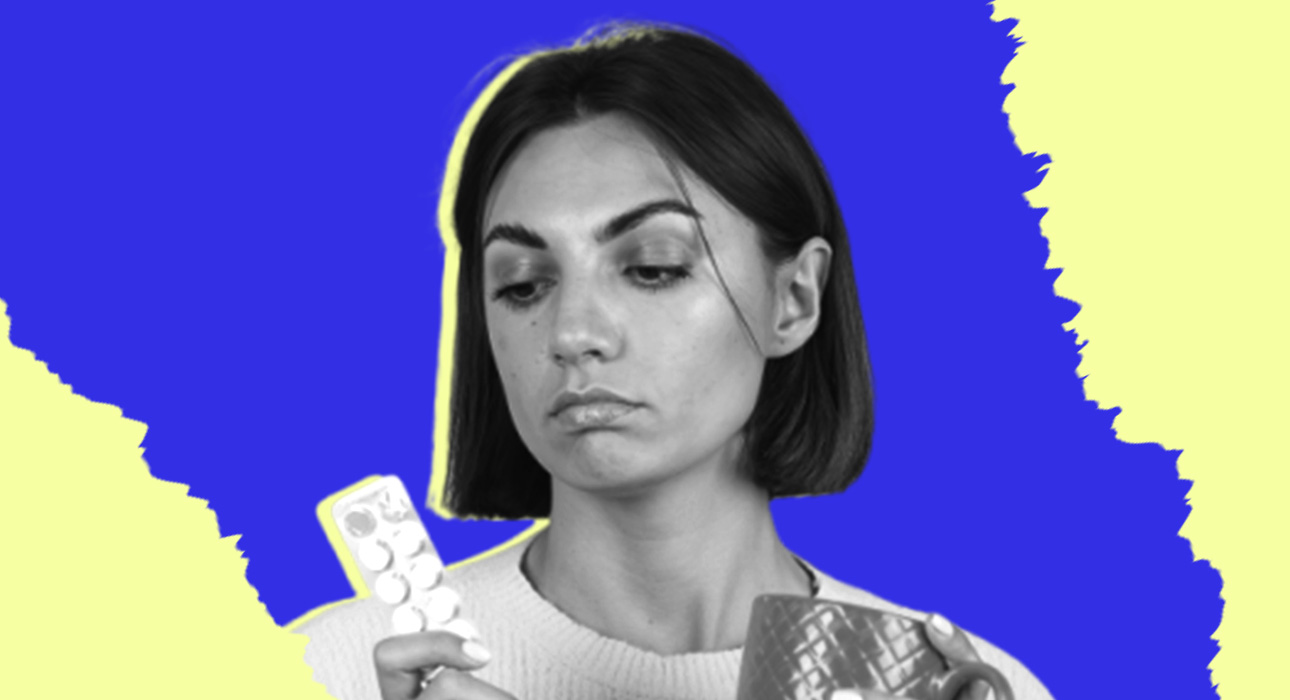
Have you ever diagnosed yourself, or have you ever self-medicated, only because you didn’t want to visit your physician or because the health issue was minor? Many individuals give many reasons behind self-medication. They will either take the medicine from a Google search or simply ask the pharmacist for it. Self-medication can be best described when individuals in the household make use of Dolo for fever.
Even without considering the type of fever or what caused the fever. Many a time, it is seen that patients don’t even consider going to the doctor; rather, they just reuse their already existing prescription. Self-medication mostly has risks and disadvantages. Self-medication can be life-threatening. This article aims to explore why individuals engage in self-medication, its prevalence, the causes, and the need for awareness.
Understanding Self-Medication
The World Health Organisation (WHO) defines self-medication as “the selection and use of medicines by individuals to treat self-recognised illnesses or symptoms.” Self-medication is also characterised by self-diagnosis. Individuals first diagnose themselves with an illness and later take medicines for the same. According to Verano (2024), states that self medication has a history. Since ancient times, humans would take medicines or herbs for minor illness which would cause discomfort but were not chronic. This condition is also known as Ailments.
Laversky (2021) states that the most common self-medicated substances are medicines and dietary supplements. Self-medication as an act also refers to coping with distress, sadness, and pain. It could be both physical and psychological. As individuals do not seek a doctor’s prescription, it becomes self-medication. With co-occurring mental disorders, there is a rise in self-medication behaviour. Though Self-medication provides temporary relief for distress and pain, over time, it makes the condition or illness worse.
According to Jain et al. (2011), Medicines for Self medication is called Over the counter medicine. It is independent in the context of males and females. Self-medication, particularly associated with antibiotics, is leading the world.
Read More: The Rise of Self-Diagnosis on Social Media
Categories of Self-Medication
The following medications are quite addictive. Clinicians, before prescribing, assure to give it to them only for minor issues.
- Clonazepam (Rivotril), Alprazolam (Xanax), and Lorazepam are the most widely prescribed benzodiazepines for anxiety disorders (Ativan).
- Bromazepam (Lectopam), Oxazepam(Serax), Chlordiazepoxide (Librium), Clorazepate (Tranxene), and Diazepam are also used (Valium).
- Pain relievers like Acetaminophen (Tylenol), Ibuprofen (Advil, Motrin), aspirin and paracetamol for fever are used.
- Multivitamins, Vitamin A, B, C, D, Iron supplements, protein supplements.
- Others: Herbal remedies, drugs given by pharmacists(Laverstky H (2021); Sachdev (2023).
Self-Medication and Addiction: The Self-Medication Hypothesis
The National Institute on Drug Abuse defines addiction as a chronic disorder with a compulsive drug-seeking behaviour. According to Khantzian (2017), the self-medication hypothesis is a renowned theory about addiction. It gained recognition because it was first published in 1985 on the cover page of the American Journal of Psychiatry. Its primary focus was to understand why and how individuals become dependent on heroin and cocaine.
The self-medication hypothesis advocates that distress is at the core of the addictive disorders because :
- Individuals who self medicate the addictive drugs are appealing because they relieve painful feelings and psychological distress.
- Individuals try many drugs, and preferences for drugs vary from individual to individual; a person experiments with various drugs that relieve pain and finds one drug that has a welcoming effect on the painful feelings.
This hypothesis explains how self-medication and addiction are involved with each other.
Reasons Why Individuals Prefer Self-Medication
Individuals might start self-medicating because their symptoms are being relieved. Easy access to medicines, supplements and drugs. Individuals get the same medicine in different brands in the pharmacy shop. Cost-effectiveness is one of the major reasons. In order to save time on the hospital waiting list, individuals make use of shortcuts if the health issue is the same. For example, a person who has caught a cold and fever would not go to a doctor; rather, he would show the same prescription that was given to him last time.
Common illnesses, medicine accessibility, and familiarity with the drugs are other common reasons for self-medication. Research has demonstrated that 80-90% of people choose self-medication for fever, stomach pain, headache, and cold. It was also demonstrated that individuals trusted their pharmacist more than their doctors ( Sachdev,2023).
Read More: Mental Health in India Is More Glorified Than Addressed
Risks Involved with Self-Medication
- Individuals might take incorrect doses, which would increase the risk of the current illness.
- Not being aware of how to use a substance, such as when to consume it and at what time to consume it.
- Getting an allergy or reaction because of it.
- Individuals can experience drug interactions
- Due to self-medication and the instant short-term relief, people might delay necessary treatment and intervention(Hartney,2026).
- It becomes a problem if a person overdoses on medicine.
Prevalence and Pattern of Self-Medication in India
According to estimates, self-medication is a common problem worldwide, with a prevalence of 11.2% to 93.7%. In a country like India, it poses a major concern for public health. The pooled prevalence for self-medication in India is 64.4 %. The northern region of India has the highest prevalence with 81.9%. Considering the population of students with a non-healthcare background stood at 86.1%. In India, analgesics, antipyretics, antibiotics, and cough remedies were the most commonly self-medicated drugs.
An exploratory survey on self-medication reported that doctors in the private sector prescribe a large number of drugs. Though Anti – infectives are used widely, but not used appropriately. One of the major concerns in India is that extremely dangerous drugs are easily accessible in India. The drugs that are banned in the West are sold on the frontline in India. The food supplements and tonics of uncertain nutritional value are sold to a large extent. India should make strict policies in the context of the Pharmacy and pharmaceutical sector(Hartney, 2026; Chaudhary et al., 2025; Greenhalgh, 1978).
Read More: The Risks of Overdiagnosis or Self-Diagnosis in the Digital Age
A case study
Alice, a 22-year-old girl, was very conscious about her health and diet. She used to go to the gym, had a nutritious diet chart, and she also obeyed all the necessary instructions given to her by the gym trainer. She was scrolling through social media and came across a popular fitness influencer who was promoting a natural dietary supplement that claimed to boost energy and improve overall health within one month.
Alice, after looking at the benefits and attractive promotion got influenced and bought the supplements. Before purchasing, she did not even consider taking the opinion of a doctor or her gym trainer. After taking the supplements for 2 days, she developed itching and red rashes on her skin with swollen lips. She was immediately admitted to the hospital. Doctors diagnosed her with a severe allergic reaction to the supplement.
Conclusion
In the era of fast-paced internet, getting all the information about drugs, medicines, and supplements has become very easy. Everyone needs to understand that the human body consists of millions of cells, various organs and all the systems in the body work in coordination with each other. One wrong medicine or drug can prove to be fatal or life-threatening.
If any major issue happens with the heart or brain, the changes are irreversible, as they are among the most critical body organs. It may take some time to visit a doctor and wait in the queue, but it is always beneficial and does not pose any sort of major health challenge. An expert knows better how to treat the problem. If citizens become more responsible, everyone can combat this issue collectively.
References +
- Verano, M. (2024, March 2). The psychology of self-medicating: Alternative, complementary, or dangerous? Psychology Today. https://www.psychologytoday.com/us/blog/confessions-of-a-psychological-first-responder/202403/the-psychology-of-self-medicating
- Lavretsky, H. (2021). Causes of self-medication. Neuropsychiatry (London), 11(6), 2593. https://doi.org/10.4172/Neuropsychiatry.1000110
- Sachdev, P. (2023). The psychology behind self-medication: Exploring factors influencing individuals’ choice to self-treat mild physical illnesses. International Journal of Psycho-Oncology and Positive Psychology, 1(1). https://ij-psyoncology.in/wp-content/uploads/2024/03/Prachi-Sachdev.docx.pdf
- Khantzian, E. J. (2017, February 21). The theory of self-medication and addiction. Psychiatric Times. https://www.psychiatrictimes.com/view/theory-self-medication-and-addiction
- Hartney, E. (2024, August 14). The self-medication theory of addiction. Verywell Mind. https://www.verywellmind.com/the-self-medication-theory-of-addiction-21933
- Chaudhary, V., Kumari, S., Sharma, B., Ahuja, C., Kishore, H., & Pal, B. (2025). Prevalence and patterns of self-medication practices in India: A systematic review and meta-analysis. Medical Journal Armed Forces India, 81(4), 377–385. https://doi.org/10.1016/j.mjafi.2024.11.008.
- Jain, S. (2011). Concept of self-medication: A review. International Journal of Pharmaceutical & Biological Archive, 2(3), 831–836. https://www.ijpba.info/index.php/ijpba/article/view/274




Leave feedback about this