







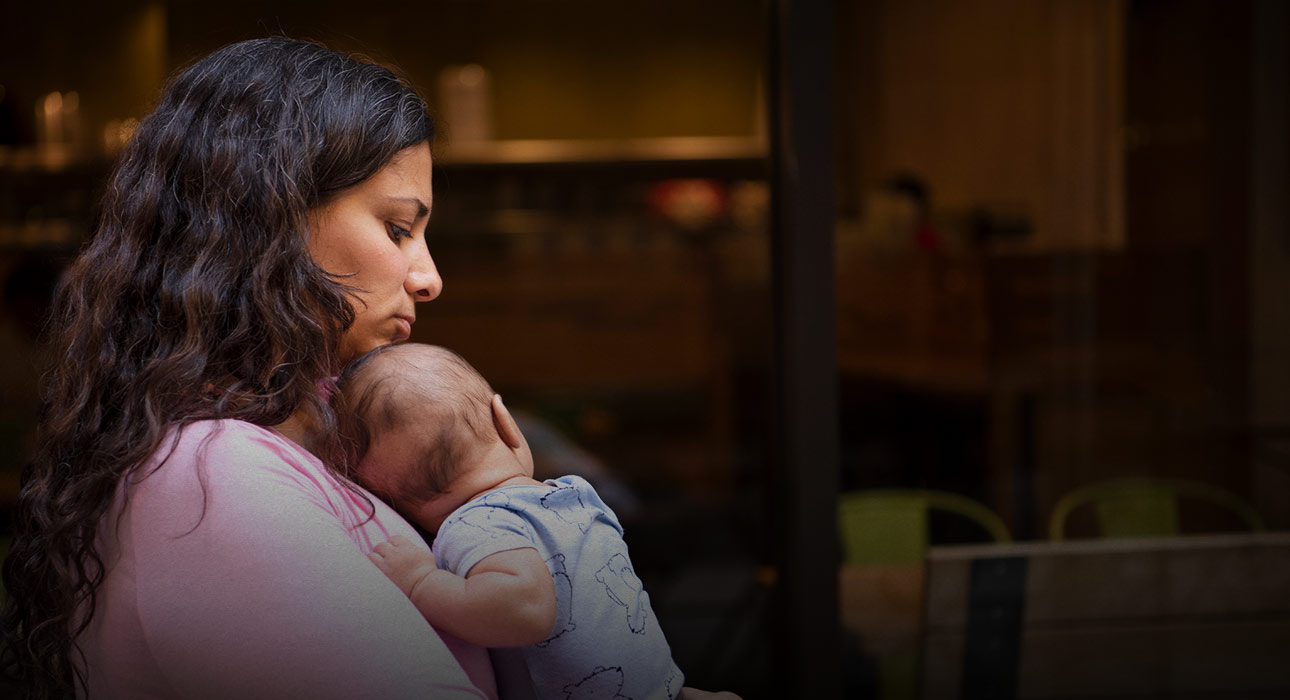
India has almost 25 million births per year, and maternal health is a rapidly evolving conversation. Now it’s not only about survival, but it’s also about having a healthy, dignified future for mamas and the baby. Leading healthcare professionals, policymakers and clinicians attended the recent Times Future of Maternity (TFM) 2026 summit in New Delhi to discuss one of the biggest problems: the huge inequity and financial burden affecting mothers-to-be across the country.
The Maternity Care Crisis
The numbers at the summit reveal shocking inequalities and hidden financial pitfalls in the existing health-care system in India:
In some places within urban India, the proportion of those having C-sections has swelled to more than 75% in the private sector, and as high as 90% in the wealthier groups. The rate in public hospitals is in stark contrast, at 10% to 16%; this is a massive corporate-driven bias.
Out-of-Pocket Burden: Government policies have explicitly confirmed that families have no cost to pay for important medicines, diagnostic testing and even for unanticipated surgical interventions, yet families are still being expected to pay high out-of-pocket costs for these services.
Medical costs continue to be a major reason for financial hardship, The Poverty Trap. An estimated 3-7% population of India slips below the poverty line annually due to high healthcare costs, with birth and delivery being one of the leading factors.
Lack of progress in Government Funding: Government funding for maternal and child health services in the National Health Mission has not increased significantly since 2019-20. Thereby holding back crucial infrastructure development.
The need for a systemic shift
Medical innovators at TFM 2026 said that maternal care needs to transform from the confines of conventional labour rooms:
- Parent-Centric Support: There is a need to change the approach of healthcare, moving from only a clinical perspective to a “parent-centric” perspective, providing emotional and psychological support to both mother and father.
- Antenatal Education: Experts urged the need for structural education when a woman is pregnant to minimise anxiety disorders, help destigmatise pregnancy and make women confident in giving birth, rather than fear.
The changing demographics of the first-time parent in India, with fertility rates falling and parents getting older, are giving rise to new sets of complex clinical challenges for the existing system, which is not prepared to address them.
Read More: Why Do Women Face Mental Health Issues During And After Pregnancy?


Leave feedback about this