







Have you always felt surprised that everything turned out much better than you had expected? It is what the athletes refer to as a zone. Think of Virat Kohli, one of the greatest batsmen in the history of cricket, who has admitted that there have been times in games when he felt the ball was bigger, time seemed to slow down, and every shot was instinctive as if he was not thinking, just playing. It’s what athletes refer to as the zone. It is known as flow.
It is a state of focus characterised by the absence of self-doubt and an acceleration of mental activity; some studies have found that during this state, a person’s mind works at five times its usual speed (Kotler, 2014). Elite runners, artists, and athletes need not apply. Everyone is capable of learning how to enter a neurological state deliberately. This article explains what flow is, what happens in the brain as it unfolds, and how to call it into being intentionally.
What is Flow?
The Hungarian-American psychologist Csikszentmihalyi found the word “flow” in the 1970s. He inquired about the experience of peak performance from chess players, doctors, rock climbers, and artists. They all reported being totally engrossed in what they were doing, time going distorted, and being delighted, not for any outside reason, just getting into the activity. (Csikszentmihalyi, M.1990).
It was an experience, he quipped, “an optimal one. If you want to tap into a state of flow, you have to stay active and really focus. Flow happens when you get so wrapped up in what you’re doing that you forget about everything else, time slips away, and you enjoy the moment for what it is. Knowing. These indicators may assist in discerning the circumstances that precipitated their occurrence by analysing retrospectively.
Flow in the Brain
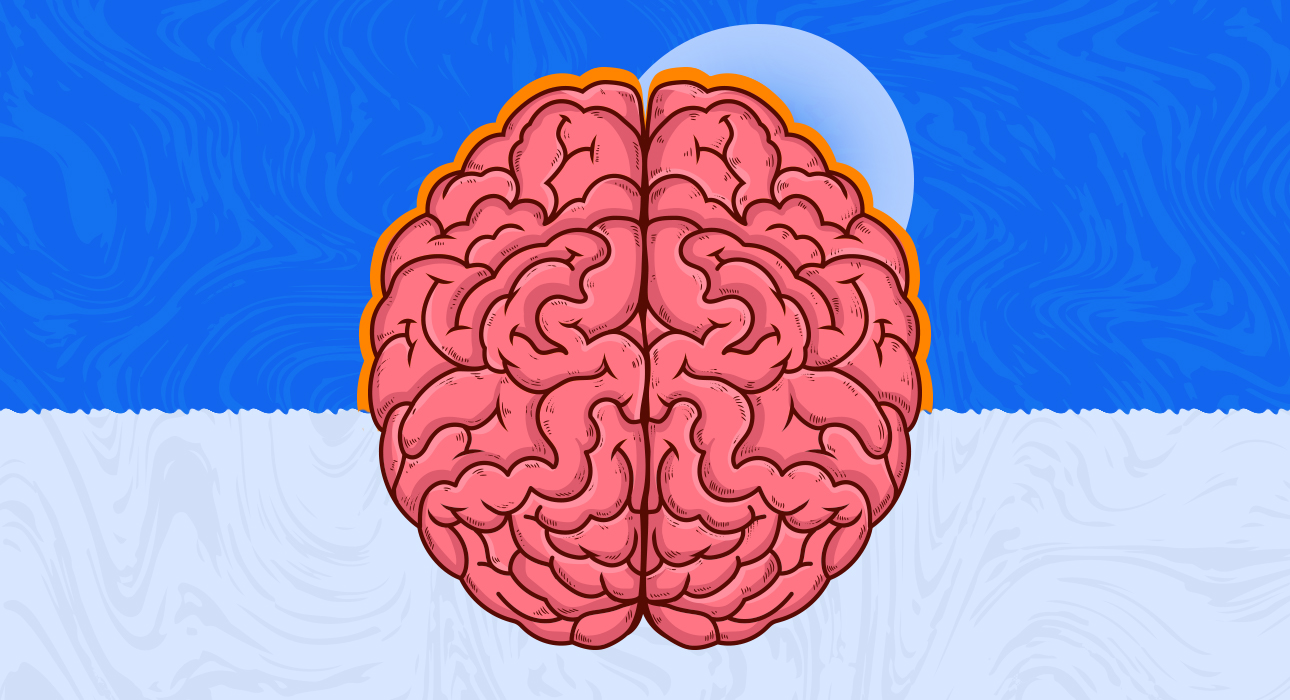
A neurological signature can be measured in flow. The vital step involved is a process known as transient hypo frontality, or a brief reduction in activity to the prefrontal cortex area of the brain that is responsible for self-monitoring and overthinking. This area slows the inner critic, which, when silenced, helps decisions to come more quickly (Dietrich, 2004).
At the same time, a host of chemicals are released from the brain: dopamine (motivation and reward), norepinephrine (alertness), anandamide (the “bliss molecule,” which expands creative thinking), and serotonin (well-being). This blend of nature is what makes Flow feel so positive, and the output is of a much higher quality (Kotler & Wheal, 2017). EEG tests have also shown that the brain goes into an alpha-theta wave state (which is where the expert meditators are), causing even the hardest of tasks to be done almost easily(Chrousos et al., 2020).
Read More: The Role of Dopamine in the Mind
The Golden Rule, called Challenge-Skill Balance, or Flow
What CS liked was what he dubbed a flow channel: Flow occurs when there is just a bit more challenge than capacity. A task that’s too simple bores you; a task that’s too difficult makes you anxious. Flow finds a happy balance between the two (Csikszentmihalyi, M.1990).
“Boredom = skill > challenge. Anxiety = challenge > skill. Flow = challenge just above skill.”
Effectively, this allows you to “code” Flow by setting the difficulty of the tasks! Divide an overwhelming project into one well-defined challenge. Or impose a condition (time constraint, better bar) to put that routine task back into the flow channel.
A Guide to Deliberately Initiating Flow
In recent years, researchers have identified consistent environmental cues, called “flow triggers”, that induce this state in the brain.
- Stay Focused: A single notification can break Flow entirely. Mark et al. (2008) discovered that, on average, it can take up to 23 minutes for the brain to reconnect to the original task it was performing when interrupted. Phone away & tabs closed:
- Set one definite goal: Ambiguous goals diffuse focus. The brain will easily maintain focus within a clear structure, “write this one section.”
- Create a pre-work routine: A routine or sequence, whether involving a beverage, music, or a breathing exercise, will gradually condition the brain to transform that pattern or sequence into a habit. Ericsson et al. (1993) found that this was true for expert performers in all domains.
- Embark before you are prepared: Step through the portal of flow in the act of doing. The majority of individuals encounter the first sting, which typically subsides into ‘absorption’ within 10 to 15 minutes (Nakamura, J., & Csikszentmihalyi, M., 2002). In addition, you’ve been shown that there’s a period of 90 minutes when your brain is most alert every day, known as the ultradian rhythm, and that if you schedule certain work activities during this time, your brain’s neurology already has a head start before you even get to work (Rossi, E.L. & Nimmons, D. 1991).
Flows, mental health, and well-being
It’s not just about productivity; it’s about flow. Csikszentmihalyi claimed that a regularly occurring flow experience is as consistent a source of happiness as wealth or high social status. Stillness is the opposite of rumination and worrying, which are the foods of anxiety and depression.
The results of the study conducted by Delle Fave et al. (2011) indicated that individuals who had more frequent experience with Flow had significantly lower psychological distress and higher life satisfaction. Researchers have even suggested that flow-based activities can be used as a treatment for anhedonia, the inability to experience pleasure, something that is generally associated with depression, because some challenges can naturally activate the brain’s reward system when the challenge aligns with an individual’s abilities (Nakamura, J., & Csikszentmihalyi, M., 2002).
Conclusion
Flow is complementary, has no side effects, and enhances your work and your life. The research is unequivocal; it is not a question of chance but rather a brain condition that can be cultivated by aligning challenges with skills, minimising distractions, establishing explicit objectives, and initiating action promptly. Set your attention up for a proper warm-up. Remove your phone. Pick one goal. Begin. In minutes, hours go by, and when you come up for air, you will likely have produced at your best that day. That’s what Flow is all about.
References +
- Chrousos, G. P., Mentis, A.-F. A., & Dardiotis, E. (2020). Focusing on the Neuro-Psycho Biological and Evolutionary Underpinnings of the Imposter Syndrome. Frontiers in Psychology, 11. https://doi.org/10.3389/fpsyg.2020.01553
- Csikszentmihalyi, M. (1990). Flow: The Psychology of Optimal Experience. New York: Harper and Row. – References—Scientific Research Publishing. (n.d.). Retrieved May 28, 2026, from https://www.scirp.org/reference/referencespapers?referenceid=2313227
- Delle Fave, A., Massimini, F., & Bassi, M. (2011). Psychological Selection and Optimal Experience across Cultures.
- Dietrich, A. (2004). Neurocognitive mechanisms underlying the experience of flow. Consciousness and Cognition, 13(4), 746–761. https://doi.org/10.1016/j.concog.2004.07.002
- Ericsson, K. A., Krampe, R. T., & Tesch-Römer, C. (1993). The role of deliberate practice in the acquisition of expert performance. Psychological Review, 100(3), 363–406. https://doi.org/10.1037/0033-295X.100.3.363
- Kotler, S., & Wheal, J. (2017). Stealing fire. Dey Street Books.
- Kotler, S. (2014). The rise of Superman: Decoding the science of ultimate human performance. New Harvest
- Mark, G., Gudith, D., & Klocke, U. (2008). The cost of interrupted work: More speed and stress. Proceedings of the SIGCHI Conference on Human Factors in Computing Systems, CHI ’08, 107–110. https://doi.org/10.1145/1357054.1357072
- Nakamura, J., & Csikszentmihalyi, M. (2002). The Concept of Flow. In C. Snyder, & S. Lopez (Eds.), Handbook of Positive Psychology (pp. 89-105). New York University Press. – References—Scientific Research Publishing. (n.d.). Retrieved May 28, 2026, from https://www.scirp.org/reference/referencespapers?referenceid=1162730
- Rossi, E.L. & Nimmons, D. (1991). The 20-Minute Break: Using the New Science of Ultradian Rhythms. Los Angeles: Jeremy P. Tarcher, Inc. Reviewed by: George Gafner, LCSW, Southern Arizona Veterans Affairs Health Care System, Tucson, AZ. (2005). American Journal of Clinical Hypnosis, 48(2–3), 217–218. https://doi.org/10.1080/00029157.2005.10401520




Leave feedback about this