








What began as a movement against discrimination has grown into a global celebration of identity, equality, and human rights. Every June, Pride Month is observed across the world to honour the history, achievements, and ongoing struggles of the LGBTQIA+ community (Encyclopaedia Britannica, 2025). As June begins, rainbow flags can be seen in streets, workplaces, educational institutions, and online spaces. Across countries, communities come together through marches, discussions, cultural events, and awareness campaigns that celebrate diversity and encourage acceptance.
In India, Pride Month is marked through rallies, panel discussions, community gatherings, art exhibitions, and educational programmes. While these celebrations highlight progress, they also serve as a reminder of the challenges that LGBTQIA+ individuals continue to face in their pursuit of equality and dignity.
Read More: Mental Health in the LGBTQIA+: A Persistent Concern
Remembering the Fight for Equality
The origins of Pride Month can be traced back to June 28, 1969, when patrons of the Stonewall Inn in New York City protested against police raids targeting members of the LGBTQIA+ community. The demonstrations that followed, later known as the Stonewall Riots, became a turning point in the global movement for LGBTQIA+ rights (History.com Editors, 2024).
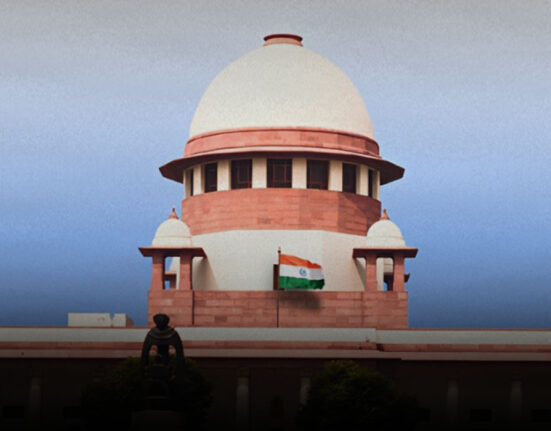
India has witnessed significant progress over the past decade. One of the most important milestones came in 2018 when the Supreme Court of India decriminalised consensual same-sex relationships by striking down portions of Section 377 of the Indian Penal Code (Navtej Singh Johar v. Union of India, 2018). Since then, Pride marches in cities such as New Delhi, Mumbai, Bengaluru, and Kolkata have grown in size and visibility.
Despite these achievements, discrimination remains a reality for many LGBTQIA+ individuals. Challenges continue to exist in schools, workplaces, healthcare settings, and even within families. While legal victories have created opportunities for change, social acceptance remains an ongoing journey.
Why Visibility Matters for Mental Health
For psychologists and mental health professionals, Pride Month is more than a celebration—it is also an important reminder of the connection between acceptance and well-being. Research has consistently shown that LGBTQIA+ individuals experience higher levels of anxiety, depression, and psychological distress due to stigma, discrimination, and social exclusion (Meyer, 2003).
These experiences are often explained through the concept of minority stress, which refers to the additional psychological burden faced by individuals from marginalised communities (Meyer, 2003). Feelings of rejection, fear, and isolation can have long-term effects on mental health.
Events organised during Pride Month help create a sense of belonging and community. Studies suggest that social support and positive identity affirmation can improve mental well-being and reduce feelings of loneliness among LGBTQIA+ individuals (American Psychological Association [APA], 2024). Mental health professionals also emphasise the crucial role of family acceptance in supporting emotional resilience and self-esteem (APA, 2024).
Moving from Support to Action
As Pride celebrations become increasingly visible, activists continue to stress that genuine inclusion requires more than symbolic gestures. Displaying rainbow flags or launching Pride-themed campaigns can raise awareness, but meaningful support must continue throughout the year.
Creating inclusive environments involves implementing anti-discrimination policies, ensuring equal access to education and employment, and improving the availability of gender-affirming healthcare services (United Nations Human Rights Office, 2024). It also requires challenging prejudice and supporting LGBTQIA+ individuals in everyday settings. True support is reflected not only in public celebrations but also in the actions taken to ensure safety, dignity, and equal opportunities for all.
Looking Ahead
More than five decades after the Stonewall Riots, Pride continues to represent both celebration and resistance. It honours those who fought for equality while drawing attention to the work that remains unfinished.
As Pride Month 2026 is observed in India and around the world, its message remains clear: every individual deserves the freedom to live authentically and be treated with respect. At a time when conversations about mental health, diversity, and inclusion are becoming increasingly important, Pride Month reminds society that acceptance is not merely a social value; it is a foundation for individual well-being and collective progress (APA, 2024).
References +
- American Psychological Association. (2024). LGBTQ+ Mental Health. Retrieved from https://www.apa.org
- Britannica. (2025). Why Pride Month Is Celebrated in June. Retrieved from https://www.britannica.com/story/why-is-pride-month-celebrated-in-june
- Meyer, I. H. (2003). Prejudice, social stress, and mental health in lesbian, gay, and bisexual populations. Psychological Bulletin, 129(5), 674–697.
- News18. (2026, June 1). Pride Month India 2026: History, Meaning and Celebration. Retrieved from https://www.news18.com/photogallery/lifestyle/events/pride-month-india-2026-history meaning-celebration-ws-e-10122615.html



Leave feedback about this