





Skin issues are frequently considered to be physical problems. Many people only think about treating the symptoms that they see. But skin wellness is additionally associated with psychological wellness. If the skin is involved, so are emotions, confidence and comfort in everyday. This correlation can aid people to treat their skin and mind correctly.
The Emotional Impact of Skin Conditions
Skin conditions can have an emotional impact on both individuals and their loved ones. Skin is the most apparent part of the body. If the person’s look changes, then his/her self-confidence may be impacted. Any problems can cause emotional stress. Typical emotional responses are:
- Lower self-confidence
- Increased self-consciousness
- Social anxiety and fear.
- Frustration & persistent symptoms
If the condition doesn’t get better, these feelings can get worse over time. Various conditions frequently impact mental health. A number of conditions are common to mental health.
Conditions That Often Affect Mental Health
Certain skin conditions can have a greater effect on mental health. They can be chronic or challenging to manage. Examples include:
- Acne, particularly in noticeable places
- Itchy and irritating eczema
- Psoriasis that has visible plaques
- Rosacea that results in redness and irritation.
These can impact a person’s life and self-image.
The Stress and Skin Connection
The brain is affected by stress, as well. May be a cause and/or aggravator of skin problems. Here are some of the ways it works:
- Stress elevates the inflammation in the body.
- Worsening skin conditions.
- Any obvious symptoms add stress.
This cycle, however, needs to be interrupted and mental and physical health needs to be treated.
Skin Problems and Social Impact
Skin conditions may have an impact on social interactions. People are not keen on socialising or don’t feel comfortable in public. This may lead to:
- Reduced social activity
- Difficulties forming relationships.Trouble establishing social relationships.
- People to isolate with, either friends or family.
All of this can have other mental health-related implications.
Prayer and Daily Comfort
Irritated skin or itchiness is a symptom of many skin problems. This may lead to discomfort and unstable sleep. When you don’t sleep well, you may experience:
- Increased stress levels
- Lower energy
- Difficulty focusing
- Mood changes
Healthy Skin Can Make for a Good Night’s Sleep
Early Care is an essential element of a healthy, developing child. Skin problems can cause physical and/or emotional symptoms to get worse if they are ignored. Early care minimises the long-term impacts. Early intervention may:
- Take measures to stop the problem from spreading
- Reduce discomfort
- Improve confidence
- Lower stress levels
There are simple actions that can have a profound impact. To create a simple skincare regimen. So, a regular skincare regimen to ensure skin health is of paramount importance. Doesn’t have to be complicated. Basic steps include:
- Gentle cleansing
- Regular moisturizing
- Sun protection
- Avoiding harsh products
A single product over extended periods of time is better than multiple products.
Reduce Stress for Healthy Skin
As stress is linked to skin, its control will help in improving the health of the skin. Some useful stress management techniques:
- Regular exercise
- Deep breathing, relaxation techniques
- Getting enough sleep
- During busy days, make sure to take breaks!
Here are some of the healthy lifestyle habits that can help promote mental and skin health.
Discussing concerns
A lot of people tend to hide their problems. Discussing skin problems will help alleviate emotional stress. Consider:
- Talking to friends or family about the problem
- Looking for help from experts
- If applicable, the value of the support groups will be determined.
May be easier to deal with, provided there is communication with the person.
Professional Support Matters
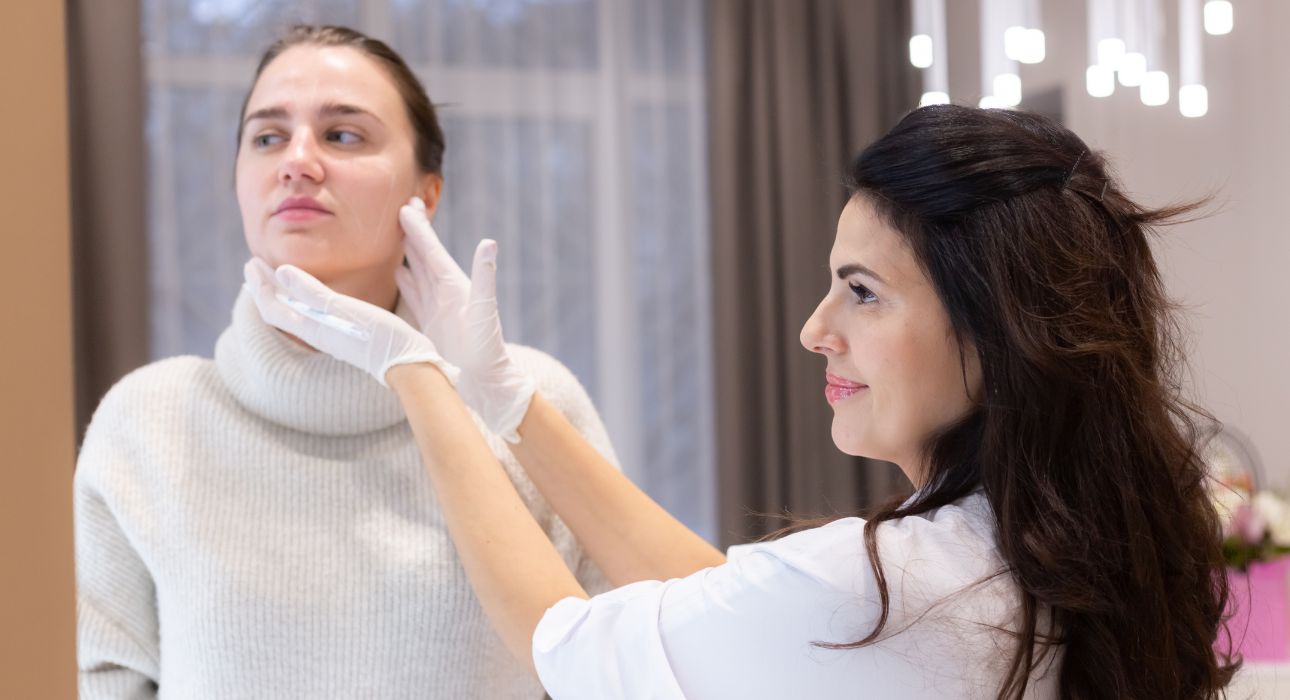
There are certain skin diseases that need the attention of professionals. Professional support can help to control symptoms and feelings. Ostego dermatology has treatments that are useful in treating skin conditions.
Avoid Common Mistakes
One of the most frequent choices that people make is the one which is harmful for their skin and mental health as well. Common mistakes include:
- Using a lot of products at the same time
- Ignoring early symptoms
- Writing the body, the skin of the human body.
Expecting quick results
These are things that you should not do to have a more balanced approach. Concentrate on progress, not perfection. It takes time to improve the skin. If you are expecting perfection, it’s never going to cause you frustration. Instead:
- Track small improvements
- Be consistent with your routine!
- Be patient, it will take time!
This attitude helps to lower stress and achieve long-term benefits.
Final Thoughts
There is a close relationship between skin and mental health. There can be a problem in one area that can negatively impact another. This link cannot be neglected as it may aggravate both ailments.





Leave feedback about this