








A calf cramp can wake you from sleep or interrupt a walk. Ongoing muscle tightness can make getting dressed, climbing stairs or moving comfortably more difficult. Both can be frustrating, especially when you are unsure what is causing the problem. The pattern of your symptoms matters. Where the discomfort starts, how long it lasts and whether it affects movement can help a healthcare professional understand what is happening. Knowing what to notice is a first step toward getting the right care.
What a Muscle Cramp Feels Like
A muscle cramp happens when a muscle tightens without you choosing to move it. The contraction can be painful. May last from a few seconds to several minutes. Cramps can happen after exercise. While you are resting, including during sleep. An occasional cramp often settles on its own. Frequent or lasting symptoms deserve attention, particularly when simple measures do not help.
Common Reasons Muscles Cramp
Working a muscle harder than usual, sweating heavily or staying in one position for a time can contribute to cramping. Sometimes there is no cause. Other possible causes include pressure on nerves, reduced blood flow and low levels of minerals such as potassium, calcium or magnesium. Certain medicines and medical conditions can also play a role. A cramp alone does not show that you have a mineral deficiency. If symptoms keep returning, discuss causes with your doctor before assuming that a supplement will solve the problem.
When Tightness May Be Spasticity
Spasticity is a form of increased muscle tone that can leave muscles stiff and difficult to move. It often results from damage to parts of the brain or spinal cord involved in controlling movement. Conditions associated with it include stroke, multiple sclerosis, cerebral palsy and spinal cord injury. Someone with spasticity may have movement, unusually strong reflexes or repeated jerking movements. Everyday tasks can become harder when an arm or leg does not move freely. Persistent tightness alone does not confirm spasticity. A healthcare professional needs to assess your symptoms, medical history and physical examination findings.
Where Prescription Medicines Fit
Doctors sometimes prescribe medicine to manage muscle tightness linked to a diagnosed condition. Tizanidine, for example, is used for symptoms associated with conditions such as sclerosis and spinal injury. It acts on the brain and nervous system to help muscles relax. If your clinician prescribes tizanidine, discuss its side effects and medication interactions with your pharmacist before starting treatment. It can cause sleepiness, dizziness and weakness, and alcohol can increase its sedating effects. Take it only as prescribed. Avoid driving until you know how it affects you. Do not use someone’s prescription for a cramp. If you take tizanidine regularly, speak with your prescriber before stopping because suddenly stopping can cause withdrawal effects, including increased blood pressure.
Simple Measures for an Occasional Cramp
For a familiar, brief cramp without other concerning symptoms, a few basic measures may help:
- Stretch gently. Slowly stretch the affected muscle without forcing it. For a calf cramp, straightening your leg and gently pulling your toes toward you may help.
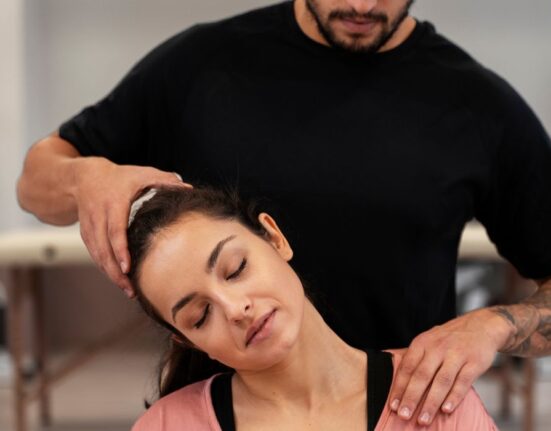
- Try light massage. Gently rubbing the cramped muscle may ease discomfort.
- Use warmth for tightness. A warm towel or bath may help the muscle relax. Cold may help with soreness afterwards.
- Replace lost fluids. Drink fluids if you have become dehydrated, especially after sweating.
These steps can help with an ordinary cramp. Symptoms that continue or worsen need a medical assessment.
Managing Ongoing Spasticity
Ongoing spasticity often needs a care plan that includes movement and symptom management. A physical therapist can teach stretching exercises suited to your abilities and help you stay active safely. Pay attention to changes in your pattern. Stress, poor sleep, tight clothing, skin wounds and bladder infections can make spasticity worse. A sudden increase in tightness may be a reason to check for another health problem with your care team. Tell your clinician if movement becomes harder, pain increases, or you cannot move a joint as far as usual.
When to Seek Medical Advice
Arrange a review if cramps happen frequently, cause severe discomfort or do not improve with basic care. Contact a healthcare professional promptly if they come with muscle weakness, swelling, redness or other skin changes. These symptoms need an assessment rather than repeated attempts to treat a presumed cramp at home. Before your appointment, write down which muscles are affected and how often the symptoms. Whether they happen during activity or rest. Note what helps and bring a list of your medicines and supplements. These details give your clinician a starting point for deciding what to check next.




Leave feedback about this