







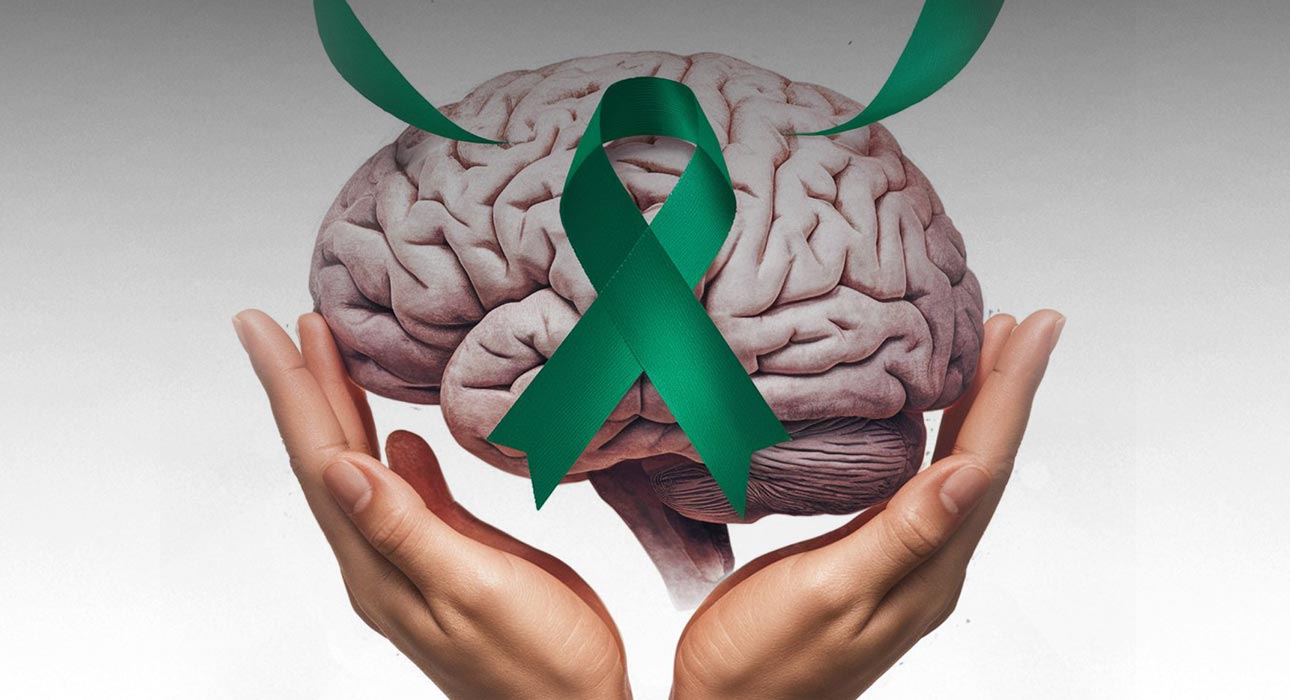
There is a silent medical emergency taking place in Dehradun, with thousands of people silently suffering from psychological support shortages. In a recent reality check, it has been found that although the number of cases where anxiety, depression and distress are increasing, a long waitlist for public hospital services, overly expensive private counselling services and the ongoing social stigma are pushing the majority of vulnerable individuals completely out of the healthcare system.
Long Waits and Depleted Resources in Public Hospitals
The government-run medical institutions have active psychiatry departments, such as Doon Hospital and Coronation Hospital, with more than 100 people seeking treatment for mental health issues per day, but the infrastructure is already severely strained.
- Accountable for Numbers Trap: As a result of significant pressures of operation, doctors in the public sector are often required to end consultations quickly. Patients say they are waiting hours in the waiting room and only getting under 10 minutes of direct contact with a consultant.
- Severe Supervision and Privacy Gaps: Affordable facilities are facing significant staffing challenges. Students and trainees were flagged to patients as a source of great discomfort during clinical consultations, to the point that a person cannot feel safe voicing their deep vulnerabilities.
- Critical Medicine Shortages: Pharmaceuticals for essential psychiatric medications are often completely unavailable at the public hospitals. Many patients are unable to afford these necessary medications from outside private sources, and a high number of treatment interruptions result in chronic relapse and a failure to achieve long-term medical recovery.
The Private Sector Barrier: An Exorbitant Price of Healing
Many people go to the private sector, only to encounter upfront financial barriers and limited consultation periods and privacy at state facilities.
- High Out-of-Pocket Expenditure: The face-to-face therapy hours in Dehradun vary from ₹1,000 to ₹3,000.
- Cost of Care: Mental healthcare is very costly due to a high cost structure, and many middle-to-low income patients stop the treatment as it would require long-term care, weekly visits and weeks to be attended. This results in a high dropout rate before symptom reduction of the structures.
The Dual Threat: Social Stigma and Clinical Denial
In addition to infrastructure and financial constraints, the bias and entrenched attitudes of people wanting help often prevent them from reaching out to the right help at the right time.
- Dismissal of Distress: Families and social groups often see severe clinical depression or panic disorders as a temporary state of emotion and give them simple instructions such as “take a walk” or “relax.
- The Pharmacological Stigma: There is a significant social stigma and great reluctance towards psychiatric medication. Numerous patients stop taking the drug too soon, which is something that they would never ask for if they were having a fever.
- Delayed intervention: Most patients require professional medical help after months or years of unrecognised, internalised suffering because they are afraid of being judged, labelled, and marginalised. This long wait can lead to chronic conditions, which can make recovery very difficult.



Leave feedback about this