







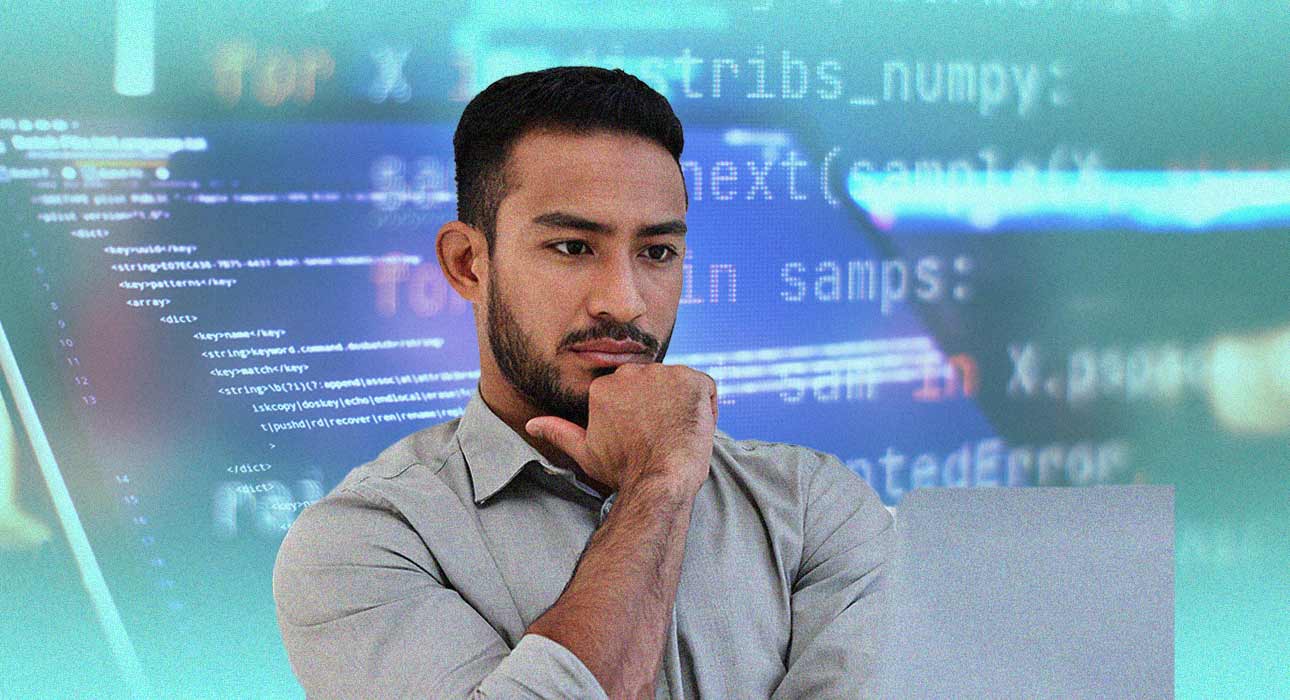
It’s the season of exams, and Aditi is spending time scrolling on Instagram instead of studying, when a random post pops up on her feed. It confidently claims, “Salt water can cure ADHD in children.” She pauses for a second, not because it makes sense, but because things like this keep showing up everywhere. The caption sounds confident, the infographic looks “medical,” and the post already has thousands of likes. A moment later, her friend forwards it, saying, “My cousin tried this!”
Before she can even process it, she sees another video on YouTube insisting that ADHD is caused by mobile phones and can disappear if kids avoid screens for 48 hours. Naturally, Aditi feels stuck. Should she believe this stuff? Should she try it? Share it? Ignore it? Then she does something simple but powerful: she stops and asks herself, “Wait…is any of this actually evidence-based? Who posted this? What do they gain?”
That small moment of questioning is exactly how critical thinking works. It’s like a mental shield that protects us from being misled, overwhelmed, or manipulated (Stice et al., 2024).
Introduction
We’re living in a time where information goes viral long before anyone checks whether it’s even true. Health myths, conspiracy posts, political rumours, and edited photos misinformation spreads because it hits us emotionally and exploits the way our brain naturally takes shortcuts (Pennycook & Rand, 2022). Critical thinking is basically the habit of pausing, questioning, and evaluating, acting like a psychological immune system. People who use these skills are less likely to fall for false claims and are more confident in making decisions based on facts, not noise (Lewandowsky et al., 2020).
Read More: How to Develop Critical Thinking in Psychology
Why Misinformation Spreads So Easily
- Emotional Pull: Most false claims are designed to get a reaction — fear, shock, disgust, hope. Emotional content gets shared faster because people respond before they think (Kumar et al., 2023). Example: A headline like “Doctors don’t want you to know this!” triggers panic long before reasoning kicks in.
- Cognitive Biases: The thing is, our brains love shortcuts. It saves effort, but it also gets us into trouble. We tend to believe things that match what we already think or want to be true — that’s basically confirmation bias (Stice et al., 2024). And when someone with a big following says something, our mind goes, “Well, they must know what they’re talking about,” even if they don’t. That’s authority bias kicking in. Then there’s the simple fact that if you keep seeing the same claim again and again, it slowly starts to feel “right,” even when it’s nonsense. That’s the availability heuristic messing with us.
- Illusion of Truth: Just hearing something over and over makes it sound believable — even if it’s completely false (Hasher et al., 2021).
- Information Overload: When we’re drowning in content, our brain goes into autopilot. Misinformation feels easier to accept because it’s simple, dramatic, and “clean,” unlike real explanations, which are usually more complex (Pennycook & Rand, 2022).
How Critical Thinking Acts Like a Mental Safety Net
Critical thinking basically gets in the way of those automatic “I’ll just believe it” moments. It slows us down just enough to ask a few questions before we accept something as true.
1. Checking Where the Information Comes From
When you’re thinking critically, the first questions that pop up are simple things like:
- “Who’s saying this?”
- “Do they actually know anything about this topic?”
- “Are they trying to convince me of something for their own benefit?”
That small bit of questioning already slows things down. This habit alone protects you from a lot of cleverly packaged misinformation (Lewandowsky et al., 2020).
2. Looking for Real Evidence
Instead of being guided by emotions or how “convincing” a post looks, critical thinkers usually look for:
- Actual data
- Research that’s been reviewed by other experts
- Explanations that make scientific sense
This is why they’re less likely to fall for miracle cures or conspiracy-like claims (Kaur & Singh, 2023).
3. Noticing Their Own Biases
Everyone has cognitive shortcuts; that’s normal. But people who practise critical thinking are good at catching themselves. Like in Aditi’s case: she knows she’s stressed about exams, so anything promising an easy fix might sound appealing. Realising this helps her avoid falling for it.
4. Pausing Before Emotional Decisions
Critical thinking basically gives you a little pause between what you feel and how you react. Instead of believing or forwarding something immediately, you take a second to breathe, look at it properly, and the emotional rush loses its grip (Stanovich et al., 2021).
Read More: Mastering Critical Thinking: Your Key to Smart Living!
5. Standing Up to Social Pressure
A lot of misinformation spreads because people want to fit in or don’t want to “break the vibe.” Someone who thinks critically doesn’t just follow the crowd for approval. They’re more interested in what’s actually true than what everyone else happens to believe (Pennycook & Rand, 2022).
Read More: The Risk of Misinformation: Who Gets to Talk About Mental Health Online?
What’s Happening Psychologically?
Metacognition, being aware of your own thoughts. It’s basically your mind pausing and checking itself: “Wait… am I thinking clearly or just reacting?” Sometimes that small moment where you stop yourself, literally just a second of “wait, hold on”, ends up saving you from reacting too quickly or believing something without thinking. It doesn’t feel like a big deal while it’s happening, but it actually makes a huge difference because you’re not getting pulled in by your first emotion (Stanovich et al., 2021).
1. Mental flexibility:
And then there’s this whole thing about being mentally flexible. It basically means you’re able to shift your thinking when something new makes more sense. You’re not stuck defending your first idea just because you said it once. People who have this kind of flexibility can look at things from different angles, change their minds if they need to, and they don’t feel weird or threatened about it. They just adjust and move on — which makes them a lot harder to mislead.
2. Analytical Thinking
When someone is used to breaking things down logically, they’re less likely to believe random claims they see online (Kaur & Singh, 2023).
3. Healthy Scepticism
This isn’t about doubting everything, just double-checking before hitting “share.”
It stops false information from spreading further (Stice et al., 2024).
Why Many People Don’t Use Critical Thinking All the Time
- They’re mentally tired: When people are exhausted, they naturally go for the easiest explanation. Thinking deeply takes effort.
- Social media is not built for accuracy: Algorithms reward dramatic, emotional content because it keeps people scrolling (Kumar et al., 2023).
- We trust familiar faces more: Many people believe influencers, celebrities, or community figures over unknown experts, even when the expert is the one with actual knowledge.
- We were never trained for this: Most of us were never actually shown how to think critically while growing up, so it’s natural that many people don’t know how to properly judge information.
Real Example: How Critical Thinking Prevents Harm
Think about one of those random TikTok trends that suddenly blow up like someone claiming “cinnamon detox water will melt all your body fat in two days.”
A person who doesn’t stop to think might actually try it, pass it on to friends, and even end up following unhealthy habits because of it. But someone who uses critical thinking reacts differently. They pause and ask things like: You’d naturally start wondering things like, Is there any real science to back this up?’ or “Do actual health experts or guidelines say the same?” (Stice et al., 2024) And honestly… who’s making money from this trend? Just asking these questions is enough to filter out most of the nonsense and prevent people from doing something risky or pointless.
Simple Ways to Build Critical Thinking
1. Using the SIFT idea
It’s basically:
- Stop
- Look into where the info comes from
- See if better sources exist
- Trace where the claim started
Research in this area suggests that people who use this approach tend to be less likely to fall for misleading posts (Lewandowsky et al., 2020).
2. Asking a few quick questions
Things like:
- Who wrote this?
- Is there solid evidence?
- Is the claim even scientifically possible?
- Does it sound too emotional or dramatic?
- Can I confirm this with a reliable source?
3. Practising slow thinking
Even waiting ten seconds before reacting to something emotional helps you see it more clearly (Stanovich et al., 2021).
4. Checking your own biases
Sometimes just writing down, “Which bias could be affecting my judgement?” makes the thinking clearer.
Read More: Cognitive Biases That Secretly Control Your Decisions – And How to Outsmart Them
5. Learning Basic Media Skills
When you get used to following reliable science pages or fact-checking accounts, you automatically build a habit of double-checking things. Over time, those dramatic claims may stop tricking you because you slowly learn where to check and what signs to look for.
Conclusion
Misinformation doesn’t spread because it’s right; it spreads because it’s loud, emotional, and easy for people to believe without thinking twice. When you slow down and question things, you break that cycle. A few seconds of checking can save you. Critical thinking basically steps in and breaks that fast reaction, helping people avoid being misled or confused (Stice et al., 2024).
As Aditi realised, even pausing for a moment before trusting a viral post can stop harm from happening not just to yourself, but to people around you. Critical thinking isn’t only for academics; it’s something that actually helps people stay grounded and safe in a world full of misleading information.
Read More: Misinformation in Your Feed: When Social Media Becomes a Mental Health Risk
Question Explained by Experts
Question: Why do people believe misinformation even when it contradicts scientific evidence?
According to Psychotherapist Shreya Nanduri, People often believe misinformation even when it contradicts scientific evidence because feeling certain can be emotionally comforting. Sometimes it feels better to believe we already “know it all,” even if reliable information says otherwise. Accepting new evidence can challenge a person’s self-image, identity, or sense of competence, so holding on to familiar beliefs feels safer.
Our upbringing and social environments also play a significant role. Many of us grow up in cultures where questioning adults, systems, or established beliefs is seen as disrespectful or disruptive. When critical thinking isn’t encouraged from childhood, it becomes harder later in life to evaluate ideas objectively. As a result, people may accept information without scrutiny simply because it aligns with what they’ve always been taught.
Critical thinking is a skill that requires nurturing. Only when individuals learn to question, analyse, and reflect from an early age does it become natural to examine beliefs rather than accepting them as the ultimate truth.
FAQs
1. Is critical thinking the same as being sceptical or not?
Not entirely. Sometimes being sceptical feels like you are doubting everything by default. Critical thinking is not like that. It is more like giving yourself a short break to look at the facts before you decide what to believe. You do not try to be negative or find faults — you just try to be fair and clear about what is actually true.
2. Why do smart people still fall for misinformation?
Because misinformation doesn’t target someone’s intelligence. It targets how they feel. Even very intelligent people can be deceived when something comforting, shocking, or relatable happens to them. If emotions dominate, then anyone can make a mistake unless they stop for a while and think it through.
3. How can I spot misinformation quickly?
Just one fast clue is the method of its being written. In case the communication is overly dramatised, overly emotional, or it endeavours to make you respond straightaway, then it is quite often a pointing out of the fact. Also, if it makes a very big claim without giving any sources or evidence, then it is going to slow down and checking it from a trustworthy place.
4. Does critical thinking make people less trusting?
It doesn’t make people cold or overly doubtful. It actually helps them trust the right things, like proper evidence or reliable information, instead of just going along with whatever goes viral online.
5. Can you learn critical thinking at any age?
Yes, for sure. It’s not a skill limited to school or childhood. People can pick it up later in life, too. It just takes practice, things like pausing before reacting, asking simple questions, or checking the source.
References +
Hasher, L., Goldstein, D., & Toppino, T. (2021). The impact of repetition on belief: Revisiting the illusion of truth effect. Cognitive Psychology Review, 12(3), 221–238.
Kaur, J., & Singh, R. (2023). Analytical reasoning and digital scepticism in the era of misinformation. Journal of Cognitive Development, 19(4), 455–470.
Kumar, A., Das, P., & Nair, S. (2023). Emotional amplification and the virality of misinformation. Social Media Psychology, 15(2), 118–133.
Lewandowsky, S., Ecker, U. K., & Cook, J. (2020). Beyond misinformation: Understanding and coping with post-truth realities. Journal of Applied Research in Memory and Cognition, 9(4), 437–448.
Pennycook, G., & Rand, D. G. (2022). The psychology of misinformation: Why it works and how to counter it. Annual Review of Psychology, 73, 539–568.
Stanovich, K. E., West, R. F., & Toplak, M. E. (2021). The rationality quotient: Measuring critical thinking in everyday life. Journal of Behavioural Decision Making, 34(1), 12–28.
Stice, E., Roberson, M., & Tran, P. (2024). Cognitive biases and vulnerability to misinformation. Interpersonal Dynamics Research, 12(1), 35–52.




Leave feedback about this