




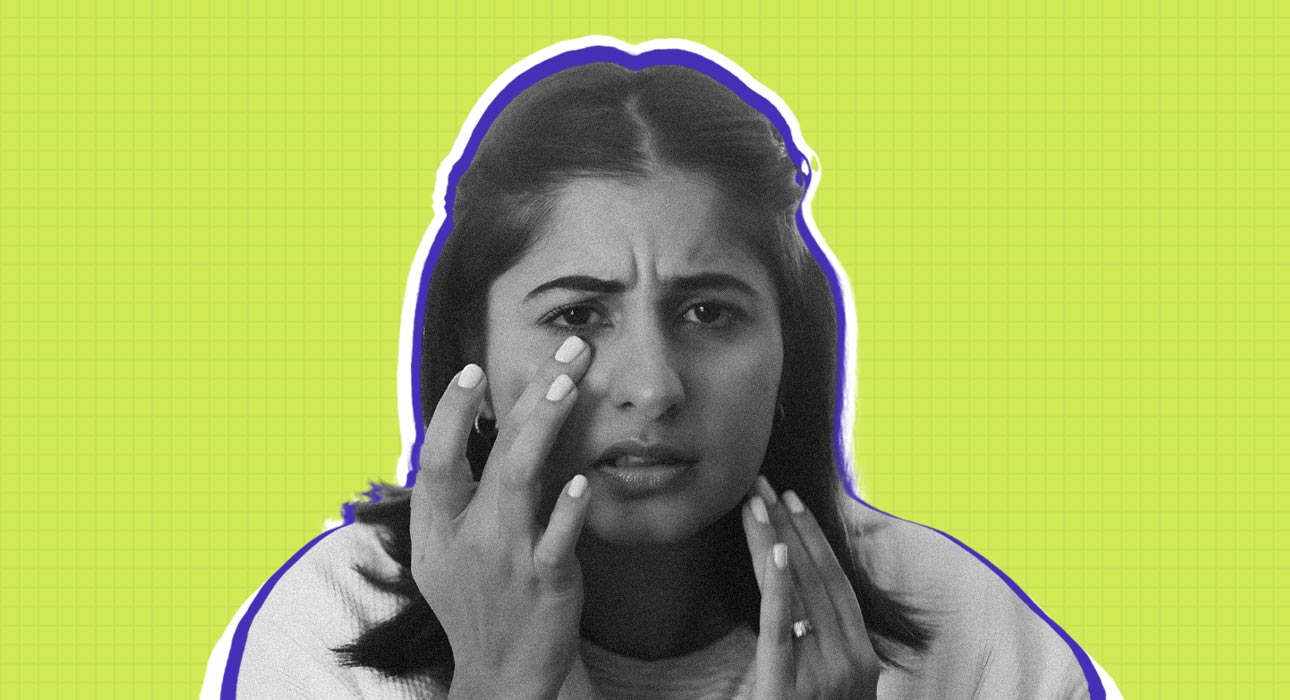
Have you ever come back from a long day, got stuck in traffic, had to do your assignment twice because the internet sucked, fumbled in front of class or colleagues, almost spilt a coffee, forgot to call your mom and whatnot? You survived the day, came back home, threw your bag on the first table you saw, jumped on the bed and dozed off. Totally skipped your dinner and supplements, forgot to charge laptop and skincare.. well ..! You slept in the clothes, you were planning to repeat on Thursday.. So .. Skincare could wait!
Why do We Stress?
Stress is an inevitable body response to any change. Everyone experiences stress to some extent. The way one responds to stress makes a whole difference. Different people can often react differently to a similar stressor. Stress and related mechanisms emerged quite early in the history of life. The researcher has found that even lower life forms, as well as isolated tissues, also have stress responses. The origin of stress was evolutionary, as it helps an organism survive by enabling it to respond to threats.
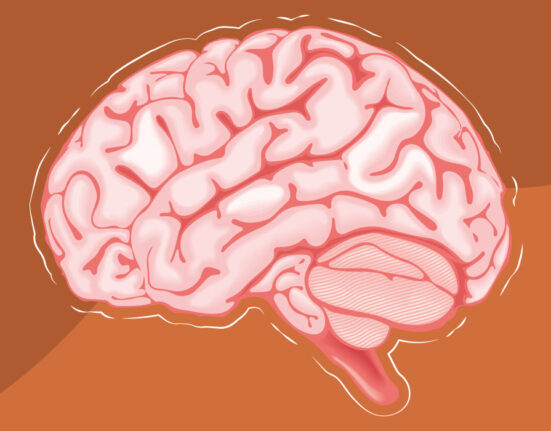
In case of emergencies, like an attack by a bear, the activation of the fight or flight system helped our ancestors to protect themselves from a predator. However, in modern times, there is no predator but a stressor (anything that activates the stress response system), like approaching an exam, deadlines, etc, that activates the same fight or flight response system. The major difference is that the attack of a bear did not occur every day; however, modern challenges can appear every day, leading to the overproduction of stress hormones. This occurs because to brain is unable to distinguish between actual physical threats and chronic psychological threats.
Read More: How Stress Affects the Brain and Behaviour?
Effect of Stress on Skin and Body
Stress majorly affects the cardiovascular system of the body, mainly high blood pressure, stroke, and cardiac arrest. It severely affects the digestive system of an individual. According to Dr Keira Barr, MD, FAAD, “Skin and Brain are more intimately linked and communicate more often than we think – as we face stressful situations, skin is both target and source of stress hormone, making the skin more vulnerable to itch, inflammation, irritation, and infection.”
Read More: How Can You Cope with Your Stress?
What Causes Skincare Neglect?
Along with these, stress often leads to the start of a negative cycle – when an individual faces regular stressors, leading them to be overwhelmed, hence not have energy to follow a regular skincare routine. Stress often leads to feelings of irritability, impulsiveness, emotional instability, nervousness, and negative affect (Watson, Clark, & Tellegen, 1988; Insel & Roth, 1991); hence, even though under study, it could be deduced that, to some extent, it affects mood. Low mood might often lead to skipping self-care rituals.
1. Stress, Diet and Skincare Neglect
Research in past has often consistently found a connection between stress and eating habits (Insel & Roth, 1991). In a research by Ogden and colleagues (1997), they found that “non-stressed” students tend to eat healthy snacks(fruits and vegetables) while “stressed” students were more likely to have less nutritious eating habits ( sodas, chocolate, etc) and also likely to have more frequent meals. Diet indirectly forms a big part of skin care routine, while poor diet choices provide a temporary sugar surge, leading to a temporary better mood. It also leads to an increase in smoking habits in students(Ogden & Mtandabari, 1997). Overall, it can be concluded that stress directly or indirectly leads to poor lifestyle choices, and neglecting skin care could be one of the major ones.
Read More: Cultivating Mindful Eating Habits in the Digital Age
2. Anxiety, Obsessions and Skin Damage
Stressful situations over a long time period can lead to anxiety, depression and obsessive behaviour. Many individuals, over time, tend to prick their skin in response to anxiety and obsession, irritating. Continuous skin picking can cause a breakout and a weakened barrier. This anxiety can also lead to skipping or neglecting skin care. For example, Trichotillomania – these individuals, under high stress and anxiety or under the influence of body hormones/neurotransmitters, tend to pull hair from their eyelashes and eyebrows to deal with their anxiety.
Various studies have revealed a correlation between stress and self-esteem (Soukas & Yokozuka, 2000). More specifically, their research states that those with low self-esteem are less likely to recover from personal threat than those with higher self-esteem. Similarly, individuals with higher self-esteem are more likely to recover quickly after a setback. Research also reveals that these individuals are more likely to feel unworthy. This feeling of incompetence might cause an individual to feel that ‘I do not deserve all this’ – leading to neglecting own self.
3. Stress, Gut Health and the Skin Connection
It can also cause dysbiosis, ie negatively affecting gut probiotics by disrupting the gut microbiome balance, leading to a decrease in beneficial bacteria and an increase in harmful ones. Researchers also hypothesise that stress hormone, ie cortisol, affects the gut vi immune system of the body, which could lead to increased infections, hence indirectly affecting gut health, which may indirectly affect skin health via the gut-skin axis. Also poor gut microbiome is linked to depression and anxiety, which further cycles back to poor choices of an unhealthy lifestyle. Though it is hard to find a direct link between stress and skin care neglect, various factors potentially are magnified by this, leading to poor skin health.
Read More: The Relation Between Your Stress and Gut
Reference +
L. A. Clark et al. (1994). Temperament, personality, and mood and anxiety disorders. Journal of Abnormal Psychology;103(1):103-16.https:/pubmed.ncbi.nlm.nih.gov/8040472/
Calorta Y.Z. Tan, Sandra Thijssen, Junilla K. Larsen, Kirsten J.M. van Hooijdonk, Sterre S.H. Simons, Jacqueline M. Vi.(2024).
Exploring the longitudinal association between stress and unhealthy eating behaviours: The role of physical activity, BMI, and loneliness.Eating Behaviour, Volume 55 https:/doi.org/10.1016/j.eatbeh.2024.101924
Galanakis, M., Palaiologou, A., Patsi, G., Velegraki, I. and Darviri, C. (2016). A Literature Review on the Connection between Stress and Self-Esteem. Psychology, 7, 687-694. doi: 10.4236/psych. 2016.75071
Lu Siyu. Weight F. Lo G.(2021). The evolution of the concept of stress and the framework of the stress system.Cell Stress5(6):76–85. https://doi.org/10.15698/cst2021.06.250
McKenzie C., Bisop C., Altamura V., Burgoon E. (2006). EXPLORING THE EFFECT OF STRESS ON MOOD, SELF-ESTEEM, AND DAILY HABITS WITH PSYCHOLOGY GRADUATE STUDENTS. Psychological Reports, 2006,99,439-448.GraduateStudentStress.pdf https://share.google/KI2Rb0YL43je4Ydx3
Leave feedback about this