







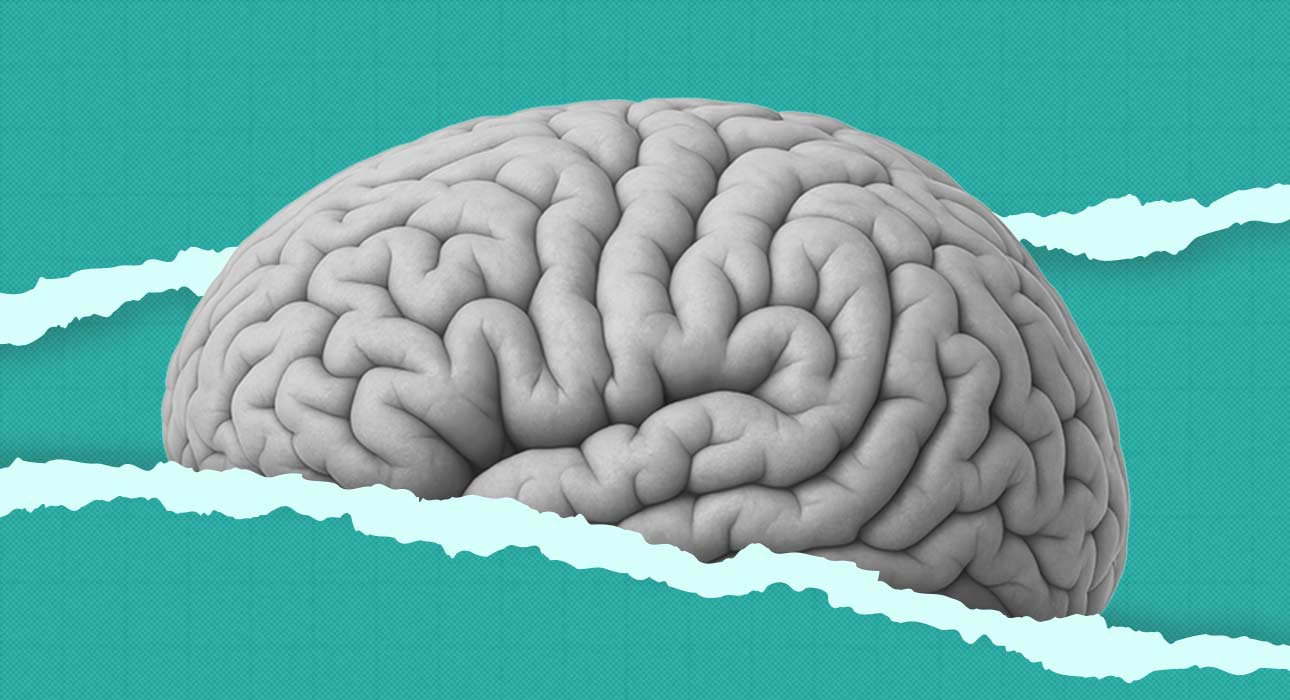
As of 2026, AI is so ingrained into our daily routines that we are using it to write e-mails, summarise information, generate ideas, and solve problems in seconds! Many of the new neuro-AI technologies (i.e. neuro-AI powered learning platforms, brain-computer interfaces or cognitive assistants) are now becoming commonplace. Many of these innovations can enhance the way we learn, work and make decisions. At the same time, with so much of our thinking being done by technology, there is a concern that this will impact how we think as humans.
Understanding Neuroplasticity
The term neuroplasticity can be defined as the brain’s ability to change its structure and establish new neural connections at any age. This will allow the individual to develop new skills and adapt to any change or heal from an injury. Examples of such exercises include learning a new language, calculation, problem-solving, and musical performance, all of which have been found useful in enhancing neuroplasticity.
Scientists have contended that the brain develops through exercise. The more often a certain cognitive skill is applied, the more developed its neural connections become. Skills that are not practised for a long time may fade out (Arkhipova, 2026). There is no doubt that this issue should be considered in light of the growing importance of artificial intelligence.
Read More: Beyond the Synapse: The Future of Psychology Beyond AI and Brain-Computer Interfaces
Cognitive Offloading: Letting Technology Think for Us
Another effect of artificial intelligence on individuals can be observed through cognitive offloading, which involves offloading cognitive tasks onto external devices. While people have long relied on devices such as calculators and smartphones to perform better, the effect of artificial intelligence goes beyond that and allows individuals to conceive ideas, produce content, and find solutions to problems. While the use of technology is beneficial, it can be detrimental to one’s ability to engage with information actively. Gerlich (2025) discovered a correlation between the increased use of artificial intelligence and poor critical thinking abilities.
Read More: When AI Thinks for Us: The Silent Decline of Human Intelligence
The Hidden Cost of Convenience
Perhaps one of the biggest benefits of AI is convenience. The time-consuming processes of acquiring data have been replaced by an instant response. However, the downside of using technology is that learning is achieved through the struggle of obtaining information. It is essential to remember that making mistakes and having difficulty finding the right information leads to the development of neural pathways. According to Oakley et al.(2025), the inability to do so can be termed “the memory paradox” since people become more informed yet lack internalised information structures necessary for developing skills. Thus, people become very efficient at retrieving data but poor at recalling and applying it.
AI and the Changing Nature of Learning
The education industry has witnessed considerable transformation owing to the advent of generative AI. Learners are now capable of availing themselves of the services of AI-powered tutors, writing helpers, and learning systems that suit their individual requirements.
However, researchers have raised concerns about their implications for cognitive growth. Studies suggest that learners’ reliance on AI-based solutions in their educational endeavours may reduce cognitive effort (Chen et al., 2025). It would not be difficult for learners to complete their work within a short period of time, but they will hardly pay attention to their actions. The learning process consists of much more than just coming up with an answer to a question.
Learning is more than just finding the answer to a question. It includes conceptual learning, connections, reasoning ability, etc. Learners could end up compromising these aspects by relying heavily on AI solutions.
Creativity in the Age of Instant Answers
The process of creativity involves experimentation, contemplation, and constant repetition. With generative AI capable of creating narratives, visuals, music, and concepts almost instantly, the act of creating becomes much quicker and easier. Nevertheless, excessive use of technology might undermine active involvement in the creative process. Such an approach might lead to cognitive debt, a condition in which reduced use gradually weakens intellectual abilities.
The Impact on Memory and Attention
These two functions are crucial elements of cognition in humans. Consistent repetition and practice strengthen and develop both of these cognitive functions.
According to recent studies, excessive use of AI systems can lead to a decrease in engagement in these important functions of cognition. Research into tasks performed using AI assistance found decreased neural activity as well as reduced memory recollection in participants using AI content than participants who completed their tasks without assistance from AI tools (Chen et al., 2025).
Moreover, constant access to readily available information means that the necessity of maintaining attention will also be reduced since there will be no incentive to retain any information.
Self-Awareness and Critical Thinking
Also, metacognition is an area related to self-assessment skills, which include the ability to assess one’s own cognitive processes. To be able to acquire new information successfully, an individual needs to be able to identify mistakes, assess his or her current knowledge base, and alter strategies.
Studies show that individuals who frequently use AI technology tend not to check their answers. It seems like people who depend on AI often tend to overvalue themselves due to the quick answers provided by artificial intelligence. In the era of artificial intelligence, critical thinking is one of the vital skills that a person needs to develop. Although machines can provide us with the necessary information, we have to decide what to do with it ourselves, whether it is right or wrong.
Can Artificial Intelligence Help to Promote Neuroplasticity?
Though the concerns raised regarding the application of artificial intelligence are very much understandable. It still needs to be acknowledged that artificial intelligence is not necessarily bad. In various instances, neuro artificial intelligence technology has proven to bring positive changes. For example, neuro-AI technologies are now being used in healthcare to assist stroke patients and those with brain injuries in restoring their functions due to neuroplasticity triggered in the brain (Majumdar, 2025). Developers can adjust personalised learning technologies according to individual learning characteristics to improve students’ performance.
Thus, people should shift their focus from deciding whether to use AI technologies to deciding how to use them appropriately. Specialists expect AI technologies to function as cognitive partners rather than cognitive replacements. Rather than giving solutions directly, neuro-AI technologies can encourage reflection and facilitate solving the problems.
Conclusion
The age of AI has introduced a notable challenge known as the “Plasticity Paradox.” Though AI technology helps boost efficiency in terms of production, learning, and medical services, over-reliance on such tools might deprive human beings of the chance to build their memory, attention spans, creative skills, and critical thought. It is not about AI replacing human intelligence, but people failing to use some human cognitive abilities. The effects of AI depend on its application. It would be a helpful tool for humans only when it facilitates learning, contemplation, and growth. Otherwise, it could hinder human neuroplasticity.
References +
- Amabile, T. M. (2019). Amabile, T. M. (1996). Creativity in context Update to the social psychology of creativity. Boulder, CO Westview Press. – References – Scientific Research Publishing. Scirp.org. https://www.scirp.org/reference/referencespapers?referenceid=537199
- Bennett, P. W. (2025, September 5). How AI is eroding human memory and critical thinking. Policy Options. https://policyoptions.irpp.org/2025/09/ai-memory/
- Doidge, N. (2019). Doidge, N. (2007) The Brain That Changes Itself Stories of Personal Triumph from the Frontiers of Brain Science. Viking, New York, 427. – References – Scientific Research Publishing. Scirp.org. https://www.scirp.org/reference/referencespapers?referenceid=2560929
- Dong, X., & H. Mcintyre, S. (2014, November). The Second Machine Age: Work, Progress, and Prosperity in a Time of Brilliant Technologies. ResearchGate.
- https://www.researchgate.net/publication/266742603_The_Second_Machine_Age_Work _Progress_and_Prosperity_in_a_Time_of_Brilliant_Technologies
- Draganski, B., Gaser, C., Busch, V., Schuierer, G., Bogdahn, U., & May, A. (2004). Changes in grey matter induced by training. Nature, 427(6972), 311–312. https://doi.org/10.1038/427311a
- Flavell, J. H. (1979). Flavell, J. H. (1979). Metacognition and Cognitive Monitoring A New Area of Cognitive-Developmental Inquiry. American Psychologist, 34, 906-911. – References – Scientific Research Publishing. Www.scirp.org. https://www.scirp.org/reference/referencespapers?referenceid=2132981
- Gerlich, M. (2025). AI Tools in Society: Impacts on Cognitive Offloading and the Future of Critical Thinking. SSRN Electronic Journal, 15(1). https://doi.org/10.2139/ssrn.5082524 Gong, C., & Yang, Y. (2024). Google effects on memory: a meta-analytical review of the media effects of intensive Internet search behavior. Frontiers in Public Health, 12(12). https://doi.org/10.3389/fpubh.2024.1332030
- Small, G., Lee, J., Kaufman, A., Jalil, J., Siddarth, P., Gaddipati, H., Moody, T., & Bookheimer, S. (2020). Brain health consequences of digital technology use. Dialogues in Clinical Neuroscience, 22(2), 179–187. https://doi.org/10.31887/dcns.2020.22.2/gsmall
- Sorin Adam Matei. (2013, March). The Shallows: What the Internet Is Doing to Our Brains, by Nicholas Carr. New York, NY: W. W. Norton,… ResearchGate; Taylor & Francis. https://www.researchgate.net/publication/262245164_The_Shallows_What_the_Internet_Is_Doing_to_Our_Brains_by_Nicholas_Carr_New_York_NY_W_W_Norton_2010_276 _pp_2695_ISBN_0393072223_hardcover
- UNESCO. (2023, September 7). Guidance for generative AI in education and research. Unesco.org.



Leave feedback about this