







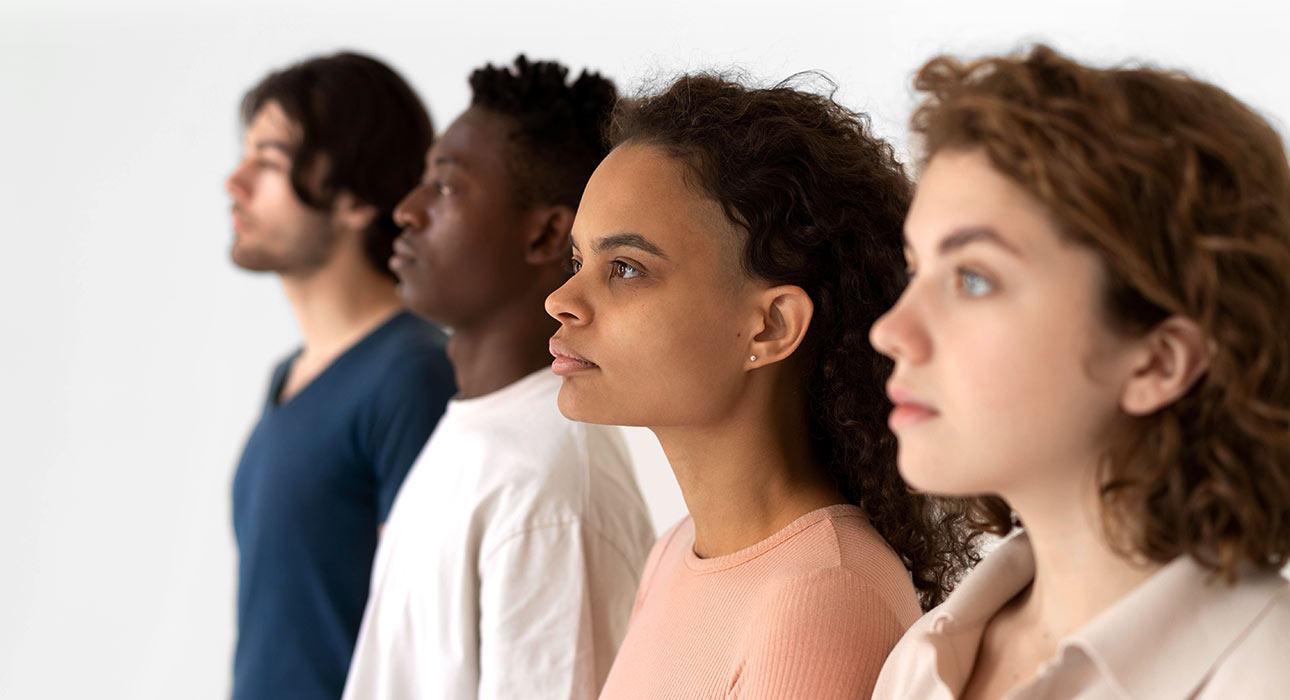
When we hear the words “mental illness,” people usually think only about the struggles of anxiety, depression, or bipolar disorder. But new research shows that mental health challenges can also build positive skills in a person’s life. Many individuals with psychological disorders show higher creativity, deeper empathy, and stronger resilience. This article explains how mental illness, along with its difficulties, can also shape hidden strengths.
What Are the Strengths of Mental Illness?
Strengths refer to skills and abilities that help a person manage life, respond to challenges, and function emotionally and socially. These skills influence how a person thinks, feels, and deals with situations in life. Even if someone is facing mental health challenges like anxiety, depression, or mood swings, it does not mean these skills are lost. In fact, sometimes these challenges help develop new abilities.
Some individuals may develop stronger creative skills because their mind works differently and uniquely views the world. Some of the most creative ideas come from people who have struggled internally. Others may develop better emotional understanding because they are familiar with emotional pain. This often makes them more caring and capable of offering meaningful emotional support. Surviving difficult emotional experiences can also strengthen coping skills, teaching endurance and courage. After moving through challenging phases, individuals may handle future difficulties more effectively.
Mental illness does not erase a person’s abilities or potential. It does not make someone less capable. Instead, it can shape individuals into more thoughtful, emotionally aware, and psychologically skilled persons. People deserve to be seen for their whole story, not only the difficult chapters.
Read More: Understanding the Rights of Persons with Mental Illness: A Guide to Dignity and Equality
Different Strengths Seen in Different Mental Disorders
- Creativity: Researchers found that some people with bipolar disorder, mild schizophrenia, or hypomania may show strong creative skills. They may think differently, generate new ideas, and often show interest in art, writing, music, or other creative fields.
- Emotional Understanding: People who have experienced depression often develop deeper emotional awareness. Because they understand emotional pain, they may become more caring, kind, and supportive toward others.
- Social Connection: Some individuals with bipolar disorder enjoy social interaction and forming relationships. They may have wider social circles and feel supported and heard by people around them.
- Resilience and Growth: Many people who experience depression develop stronger emotional resilience over time, which helps them manage future life challenges more effectively, even when situations are not in their favour. A long-term study also showed that about 10 per cent of people who previously experienced depression later reported feeling happier and healthier than individuals who never faced depression.
Research Details
This information comes from a research paper written by psychology professor June Gruber and her team at the University of Colorado Boulder. They reviewed multiple studies showing that individuals can experience mental health challenges while still possessing important skills and strengths. The researchers emphasise that people can struggle and grow at the same time. Their goal is to encourage a fair and balanced understanding of mental illness, focusing not only on difficulties but also on the skills that may develop through these experiences.
Highlights of the Study
Having a mental illness does not mean a person loses all abilities. People with mood-related conditions may show strong creative and emotional skills. Many individuals recover and later live emotionally stronger lives. Support and treatment should protect and strengthen skills rather than remove them.
Authors’ Perspective
The researchers acknowledge that mental illness involves significant struggle. However, they emphasise that alongside these difficulties, individuals often develop important skills during the process. Support should not focus only on symptoms but also on identifying and nurturing strengths. Mental health professionals are encouraged to reduce distress, recognise individual abilities, provide hope, and avoid judgment or shame. When individuals are understood beyond their diagnosis, recovery becomes more achievable and meaningful.
Read More: The Long-Term Effects of Untreated Mental Illness
Conclusion
Mental illness does not mean a person is weak or broken. Individuals who struggle with thoughts and emotions may still carry strong skills within them. Many caring, creative, and resilient people have faced psychological difficulties. Their experiences often teach patience, emotional understanding, and inner strength. By recognising both struggle and strength, better support can be offered. This balanced approach helps individuals feel hopeful, valued, and confident about their future.
Leave feedback about this