







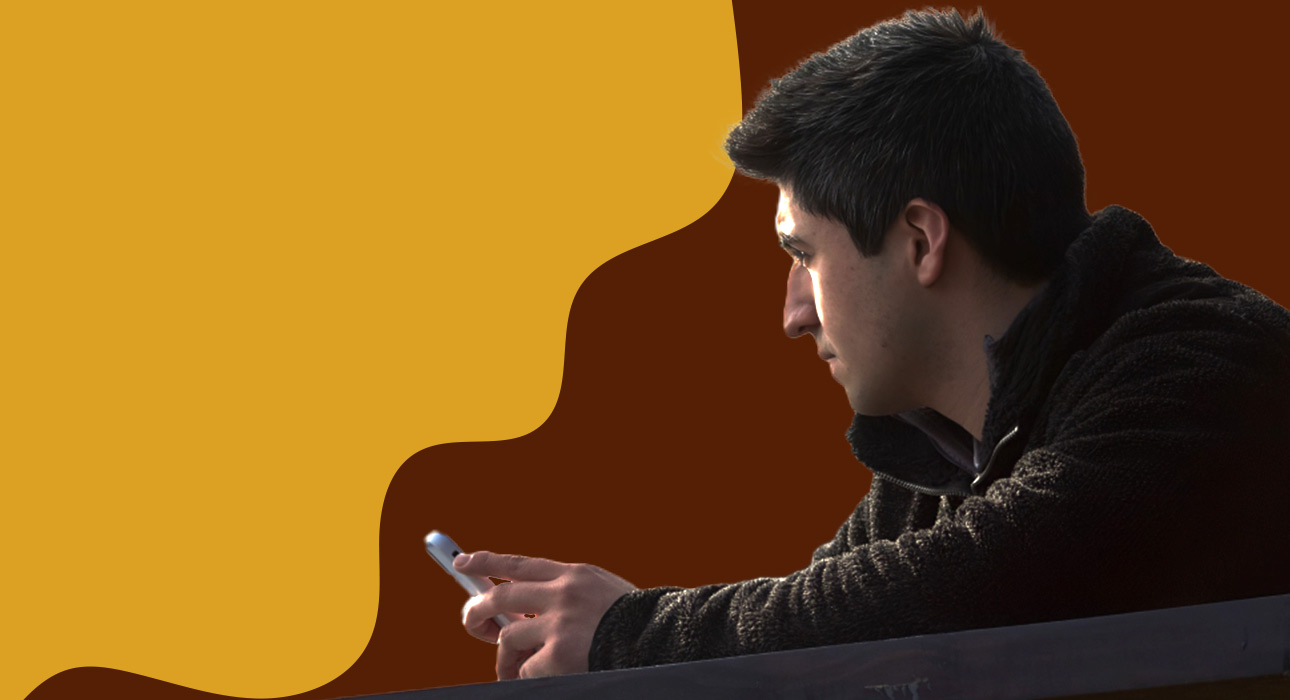
We are living in a world where it’s easy to talk to people. We can send messages to someone on the other side of the world, and they get it right away and can stay friends with people by talking to them on our computers or phones. This is a problem because we are always talking to people, but we are still feeling alone. Loneliness is what happens when you want to have kinds of relationships with people, but you do not actually have them. You can have thousands of people following you online. Still feel like you are invisible. (Hawkley and Cacioppo, 2010).
The Illusion of Connection
Digital platforms give us interaction through likes, comments, stories and notifications, making it seem like we have friends all the time. But research says it’s not how much we interact that matters, it’s the quality of that interaction. A study by Perlman and Peplau in 1981 found that superficial exchanges lack depth, mutual vulnerability and sustained attention, which are key for meaningful relationships(Perlman and Peplau,1981).
Sherry Turkle argues that “technology makes us a culture of people who’re alone together”. We substitute intimacy with controlled digital interactions. Online, we can curate how we present ourselves. This might stop us from being truly open. When we’re not vulnerable but instead perform our relationships, they can become like transactions rather than emotionally fulfilling connections.
For instance, a young adult might spend hours on media commenting and reacting to posts. After all that interaction, they might still feel empty inside. The interaction happens. It doesn’t really resonate with them emotionally. Social media interaction is there. Emotional connection, from social media, is missing.
Read More: Communication in the Digital World: Why Understanding Matters More Than Speed
Social Comparison and Emotional Isolation
Hyperconnectivity makes social comparison worse. Social media often shows lives, successes, celebrations and beautiful pictures.
According to a theory by Festinger in 1954, people judge themselves by comparing themselves to others. In the media, we constantly see others doing better, and the platform makes sure we see it. Studies have found that just reading media can make people lonelier and more depressed (Verduyn et al. 2017). Seeing posts can make us feel left out, not good enough, and worried we’re missing out and eventually create FOMO. The more we see others having fun, the worse our own loneliness feels.
Imagine a college student studying alone while seeing friends post about group outings. Even if they like being alone, seeing much social activity can change how they feel about themselves, making them feel more isolated. Social media and loneliness are connected; hyperconnectivity and social media make it worse. We compare our lives to those of others in the media. It makes us feel bad about ourselves.
Read More: Social comparison in the age of Social media
Neurobiology of Loneliness in a Digital Context
Loneliness is not something that affects our mind; it also has effects on our body. When we are lonely for a time, it can trigger stress responses in our body, like higher levels of cortisol and more inflammation. (Hawkley and Cacioppo,2010). We always check to see what other people think of us, and that can be very stressful. When we get notifications, it can activate the part of our brain that makes us feel good, like we are expecting something to happen. (Alter,2017).
This is how the internet and our devices can create a cycle that’s hard to break. We look for validation from people we feel good with for a little while, and then we go back to feeling unhappy and lonely. It is like we are stuck in a loop, and it does not help us to feel less lonely; it just makes us feel lonely all the time.
Structural Shifts in Social Interaction
In the past, people formed relationships with others by spending time together and sharing their experiences. Now people interact with each other on many different platforms. People like Bauman think that relationships today are like liquid. They are easy to change, but can be very fragile. It is simple to connect with someone and also simple to stop talking to them. People often just stop responding or unfollow each other. This is seen as normal. This can make people feel less committed to each other and more insecure.
Hyperconnectivity also changes the way we interact with our friends and acquaintances. We often have casual connections, but these do not always give us the emotional support we need. So hyperconnectivity helps us to meet more people online, but on the other hand, it can also make our relationships less meaningful.
Generational Implications
Studies have shown that the more time people spend on screens, the more likely they are to feel lonely and depressed. This has been happening a lot since 2010 (Twenge,2018). The pattern has changed, as the follower count always exceeds the friends count in reality.
When you are a teenager, you are trying to find your own identity, like who you are and where you belong. You want to feel like you belong, which most of us have faced. Social media can make this harder because it makes it easy to measure how popular you are. If you have a lot of followers or likes, you may feel good about yourself. If you do not get a lot of likes or comments, you may feel bad. This can make you feel lonely even if you have friends in life.
For example, imagine a teenager who is not included in a group conversation on media, maybe they are not tagged in photos that their friends post. This can make them feel like they are not important to their friends, as if they are being left out on purpose. They may feel this way even if their friends did not mean to hurt their feelings.
The Paradox of Digital Support
It is important not to think that being connected to the internet is all bad. Digital platforms like media and online forums can help people, especially those who are marginalised or live in remote areas. These online communities can make people feel less lonely because they can connect with others who understand them. They also get new opportunities for their growth and gain more awareness of the outer world. (Nowland et al., 2018).
For example, people with illnesses can find support from others who have the same condition online, like a community of cancer patients. They can connect and talk to each other, share their experiences, which can be helpful. In these cases, being connected to the internet is a thing because it helps people feel less alone.
What matters is how people use the internet. If people are actively talking to each other and having conversations, it can help reduce loneliness. If they are just scrolling through their feeds without interacting with anyone, it can make them feel lonelier. So it is not about having access to the internet but about how people use it. (Verduyn et al., 2017).
Toward a Deeper Understanding
We need to think about loneliness in a way. It is not about technology being the problem. When we are connected to the internet all the time, it makes us feel ways. We compare ourselves to others we want to perform, we want people to like us, and we are afraid of being left out. This changes the way we interact with people. We talk to people a lot. These talks are often not very meaningful.
We are living in a world where it’s easy to talk to people. We can send messages to someone on the other side of the world, and they get it right away and can stay friends with people by talking to them on our computers or phones. This is a problem because we are always talking to people, but we are still feeling alone. Loneliness is what happens when you want to have kinds of relationships with people, but you do not actually have them. You can have thousands of people following you online. Still feel like you are invisible. (Hawkley and Cacioppo, 2010).
The Illusion of Connection
Digital platforms give us interaction through likes, comments, stories and notifications, making it seem like we have friends all the time. But research says it’s not how much we interact that matters, it’s the quality of that interaction. A study by Perlman and Peplau in 1981 found that superficial exchanges lack depth, mutual vulnerability and sustained attention, which are key for meaningful relationships(Perlman and Peplau,1981).
Sherry Turkle argues that “technology makes us a culture of people who’re alone together”. We substitute intimacy with controlled digital interactions. Online, we can curate how we present ourselves. This might stop us from being truly open. When we’re not vulnerable but instead perform our relationships, they can become like transactions rather than emotionally fulfilling connections.
For instance, a young adult might spend hours on media commenting and reacting to posts. After all that interaction, they might still feel empty inside. The interaction happens. It doesn’t really resonate with them emotionally. Social media interaction is there. Emotional connection, from social media, is missing.
Read More: Communication in the Digital World: Why Understanding Matters More Than Speed
Social Comparison and Emotional Isolation
Hyperconnectivity makes social comparison worse. Social media often shows lives, successes, celebrations and beautiful pictures.
According to a theory by Festinger in 1954, people judge themselves by comparing themselves to others. In the media, we constantly see others doing better, and the platform makes sure we see it. Studies have found that just reading media can make people lonelier and more depressed (Verduyn et al. 2017). Seeing posts can make us feel left out, not good enough, and worried we’re missing out and eventually create FOMO. The more we see others having fun, the worse our own loneliness feels.
Imagine a college student studying alone while seeing friends post about group outings. Even if they like being alone, seeing much social activity can change how they feel about themselves, making them feel more isolated. Social media and loneliness are connected; hyperconnectivity and social media make it worse. We compare our lives to those of others in the media. It makes us feel bad about ourselves.
Read More: Social comparison in the age of Social media
Neurobiology of Loneliness in a Digital Context
Loneliness is not something that affects our mind; it also has effects on our body. When we are lonely for a time, it can trigger stress responses in our body, like higher levels of cortisol and more inflammation. (Hawkley and Cacioppo,2010). We always check to see what other people think of us, and that can be very stressful. When we get notifications, it can activate the part of our brain that makes us feel good, like we are expecting something to happen. (Alter,2017).
This is how the internet and our devices can create a cycle that’s hard to break. We look for validation from people we feel good with for a little while, and then we go back to feeling unhappy and lonely. It is like we are stuck in a loop, and it does not help us to feel less lonely; it just makes us feel lonely all the time.
Structural Shifts in Social Interaction
In the past, people formed relationships with others by spending time together and sharing their experiences. Now people interact with each other on many different platforms. People like Bauman think that relationships today are like liquid. They are easy to change, but can be very fragile. It is simple to connect with someone and also simple to stop talking to them. People often just stop responding or unfollow each other. This is seen as normal. This can make people feel less committed to each other and more insecure.
Hyperconnectivity also changes the way we interact with our friends and acquaintances. We often have casual connections, but these do not always give us the emotional support we need. So hyperconnectivity helps us to meet more people online, but on the other hand, it can also make our relationships less meaningful.
Generational Implications
Studies have shown that the more time people spend on screens, the more likely they are to feel lonely and depressed. This has been happening a lot since 2010 (Twenge,2018). The pattern has changed, as the follower count always exceeds the friends count in reality.
When you are a teenager, you are trying to find your own identity, like who you are and where you belong. You want to feel like you belong, which most of us have faced. Social media can make this harder because it makes it easy to measure how popular you are. If you have a lot of followers or likes, you may feel good about yourself. If you do not get a lot of likes or comments, you may feel bad. This can make you feel lonely even if you have friends in life.
For example, imagine a teenager who is not included in a group conversation on media, maybe they are not tagged in photos that their friends post. This can make them feel like they are not important to their friends, as if they are being left out on purpose. They may feel this way even if their friends did not mean to hurt their feelings.
The Paradox of Digital Support
It is important not to think that being connected to the internet is all bad. Digital platforms like media and online forums can help people, especially those who are marginalised or live in remote areas. These online communities can make people feel less lonely because they can connect with others who understand them. They also get new opportunities for their growth and gain more awareness of the outer world. (Nowland et al., 2018).
For example, people with illnesses can find support from others who have the same condition online, like a community of cancer patients. They can connect and talk to each other, share their experiences, which can be helpful. In these cases, being connected to the internet is a thing because it helps people feel less alone.
What matters is how people use the internet. If people are actively talking to each other and having conversations, it can help reduce loneliness. If they are just scrolling through their feeds without interacting with anyone, it can make them feel lonelier. So it is not about having access to the internet but about how people use it. (Verduyn et al., 2017).
Toward a Deeper Understanding
We need to think about loneliness in a way. It is not about technology being the problem. When we are connected to the internet all the time, it makes us feel ways. We compare ourselves to others we want to perform, we want people to like us, and we are afraid of being left out. This changes the way we interact with people. We talk to people a lot. These talks are often not very meaningful.
The problem is not that we
The problem is not that we are connected to people. The problem is that technology can do a lot of things, but it cannot give us what we need as humans. We are meant to be around people in groups, where we can see each other and talk to each other in person. This is how we were designed and raised. When we talk to people on the internet, it is fast and easy. It is not the same as talking to people in person.
So loneliness is a problem when we are connected to the internet all the time. We can talk to people anytime we want. We do not really feel connected to them. This is a problem because we need to feel like we are really talking to people, not just sending them messages. Loneliness, in this age, is a problem because we have a lot of ways to talk to people, but we do not have a lot of deep relationships.
Read More: Why Vulnerability Is the Key to Overcoming Modern Emotional Loneliness
Conclusion
Loneliness today is not caused by being alone without friends. Often, by being around people on social media. Having online connections can make us feel like we’re always with others, but we might not feel happy or fulfilled. This can make us feel lonelier even though social media is supposed to help us connect with others.
We can use technology to help us feel less lonely. When we use it to talk to people in a way that makes friends that last and are part of a community, it can help. The challenge for people growing up today is not to stay off the media completely. It’s to find ways to connect with others that are meaningful, not just showy. We need to focus on being real and present with others, not just trying to look good. So loneliness in today’s world is not a problem with technology. It’s also a problem with how we think and act. We need to understand this and try to do things. We need to be intentional about how we use technology and connect with others.
References +
Alter, A. (2017). Irresistible: The rise of addictive technology and the business of keeping us hooked. Penguin Press.
Bauman, Z. (2000). Liquid modernity. Polity Press.
Festinger, L. (1954). A theory of social comparison processes. Human Relations, 7(2), 117–140.
Hawkley, L. C., & Cacioppo, J. T. (2010). Loneliness matters: A theoretical and empirical review. Annals of Behavioural Medicine, 40(2), 218–227.
Nowland, R., Necka, E. A., & Cacioppo, J. T. (2018). Loneliness and social internet use. Perspectives on Psychological Science, 13(1), 70–87.
Perlman, D., & Peplau, L. A. (1981). Toward a social psychology of loneliness. In R. Gilmour & S. Duck (Eds.), Personal relationships in disorder (pp. 31–56). Academic Press.
Turkle, S. (2011). Alone together: Why we expect more from technology and less from each other. Basic Books.
Twenge, J. M., Joiner, T. E., Rogers, M. L., & Martin, G. N. (2018). Increases in depressive symptoms among adolescents. Clinical Psychological Science, 6(1), 3–17.
Verduyn, P., et al. (2017). Do social network sites enhance or undermine well-being? Social Issues and Policy Review, 11(1), 274–302.
Cacioppo, J. T., & Patrick, W. (2008). Loneliness: Human nature and the need for social connection. W. W. Norton.




Leave feedback about this