







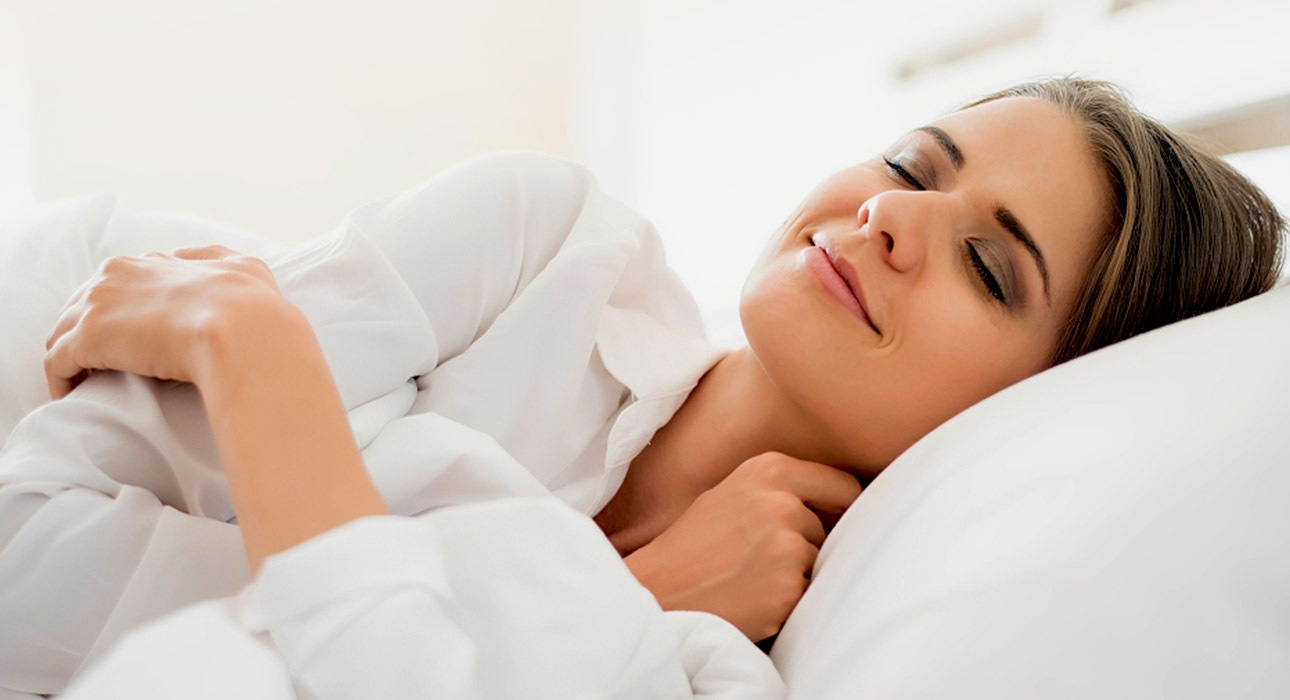
People spend roughly one-third of their lifetime asleep. Sleep is the coach of the game we play every day; it serves an important role in overall health, cognition, mental well-being, memory formation and recall, immune function, reproductive health, and hormonal balance. (Baranwal et al., 2023). Nevertheless, roughly 30% of the general population suffers from disturbed sleep, and 10% of people experience disturbed sleep along with daytime dysfunction ( National Institutes of Health, 2005).
“Sleep hygiene” describes a set of healthy habits, behaviours, and environmental conditions that promote good quality sleep (Kalkanis et al., 2025). A study was conducted to investigate how sleep quality impacts our system. It revealed that adults over 45 who slept too little, 6 hours or less, and those who slept too much, 10 hours or more, faced greater odds of developing chronic conditions such as coronary heart disease, diabetes, anxiety, and obesity ( Kingshott R., 2013). Poor or low-quality sleep can disrupt the sleep-wake cycle, and it is affected by many factors, including light exposure before bed, the timing of caffeine intake, the sleep environment, and irregular sleeping patterns ( Haile YG, Alemy SM, Habtewold TD, 2017)
Read More: Better Sleep or Better Sales? The Psychology Behind Melatonin Gummies
Bedtime Factors
The impact of caffeine on sleep is extremely dose- and time-dependent. A study reported that a 400 mg dose taken 4 hours before sleeping had a significant effect on sleep, with negative sleep outcomes increasing the closer the intake was to bedtime, whereas a 100 mg dose had no significant effect even at 4 hours before sleeping (Gardiner et al., 2024)
Limiting the usage of blue light , especially in evening hours, is crucial for keeping a balance in the circadian rhythm (Desai et al., 2024). The impact of evening activities is not the same for different populations since the production of melatonin is suppressed more in working-age adults compared to the older generation due to the eyes’ natural protection mechanism (CannElevate, 2026). An ideal sleep environment to ensure good quality sleep is free of distractions, quiet, dark, clutter-free, and kept around 16–18°C (Oxford Health NHS Foundation Trust, n.d.).
A meta-analysis of 66 studies found that even a single bout of exercise resulted in small beneficial effects on total sleep time and sleep efficiency the same night, as well as a moderate improvement in time spent awake after falling asleep (Kredlow et al., 2015). With continued, sustained exercise over time, it resulted in small benefits to total sleep time and efficiency, small to medium benefits to falling asleep faster, and moderate benefits to overall sleep quality (Kredlow et al., 2015)
Read More: The Language of Dreams: Symbols, Archetypes, and The Science of the Sleeping Brain
The Body’s Circadian Rhythm
Advanced organisms establish a rhythm that aligns with the natural world around them and the cycle of the sun and moon, known as the circadian rhythm. These are built into our biology (Desai et al., 2024). Circadian rhythms, the natural 24-hour cycles within our brains that govern our states of wakefulness and sleep and that react to shifts in the amount of light we encounter in our environment, play an essential part in controlling numerous critical physiological functions (Desai et al., 2024).
Circadian rhythms hold a vital role in both immune and metabolic functions. They govern the mechanisms that determine our sleep-wake cycles; they also influence the timing and effectiveness of our immune response and metabolic activities. The circadian system governs when immune function occurs, with immune responses proving more effective at particular times of day. Furthermore, they regulate metabolic functions such as blood sugar levels and energy metabolism, tying these to the day-night cycle (Desai et al., 2024).
Disruptions to these internal body clocks, caused by things like blue-light exposure, suppression of melatonin and cortisol, jet lag, or insomnia, harm health by raising the risk of metabolic conditions like diabetes and obesity, along with seasonal affective disorders and sleep-related disorders (Desai et al., 2024).
Read More: The Psychology and Neuroscience of Sleep Deprivation in Modern Society
Common Mistakes in Sleep Hygiene & Individual Differences
The first mistake involves drinking coffee in the afternoon and thinking it won’t change how you sleep. Coffee affects each person differently. A large amount of coffee consumed 4–6 hours before bed has a clear effect on how long and how well you sleep (Gardiner et al., 2024).
The second mistake is not giving enough thought to the exposure to screens during the evening. Exposure to blue light lowers melatonin production. However, how much it disrupts sleep differs by age and can be hard to spot (CannElevate, 2026). The third mistake is failing to pay enough attention to how good the sleeping environment is. An uncomfortable room temperature and noise can strongly affect sleep, even when all the other sleep hygiene rules are followed (Oxford Health NHS, n.d.).
Lastly, the fourth mistake is thinking that a few workouts would help regulate sleep. A consistent workout routine is good for you, but it usually takes some time before it begins to change your sleep pattern (Liang et al., 2026). Sleep hygiene advice comes from population studies and differs from one person to another. The commonly accepted standard for sleep duration is at least 7 hours a night, with no upper limit. Some people need more than 9 hours to feel well (Watson et al., 2015). Sleep hygiene habits help most people, but they are not required.
For instance, a study in Healthcare looked at the link between sleep hygiene habits and depression in 384 participants. The findings showed that poor sleep hygiene was riskier than good sleep hygiene. Among the depressed participants, 75.8% had a poor sleep pattern. In comparison, 59.6% of the control group had a poor sleep pattern. The study also discovered that poor sleep hygiene was strongly linked to excessive daytime sleepiness (Alanazi et al., 2023).
Read More: How Sleep Shapes Mental Health: A Psychological Perspective
When Should You Get Professional Help?
Sleep hygiene measures are a good first step, but they cannot replace a clinical assessment if the problem continues. Since sleep duration is linked to chronic disease, the American Academy of Sleep Medicine suggests that people with persistent health complaints consider consulting a sleep medicine physician. The physician can directly assess their sleep (Croft et al., 2013). Likewise, anyone who suspects or knows they have a sleep disorder should get medical advice. They should not depend on lifestyle changes to fix long-term poor sleep (Watson et al., 2015).
Read More: The Neuroscience of Self-Care: How Sleep, Mindfulness, and Routines Improve Brain Health
Conclusion
The effectiveness of good sleep hygiene lies in its ability to appeal to the body’s own circadian rhythm. It regulates the impact of caffeine on the body through dose and timing. Also it reduces potential stressors by establishing a relaxing bedtime routine. It also optimises the sleep environment in terms of temperature and noise. However, individual differences in chronobiology and health needs can affect sleep schedules and quality in different ways. Therefore, people should adjust their sleep hygiene according to their personal needs. They should consult a sleep medicine professional if they continue to experience sleep problems despite their efforts.
References +
- Alanazi, E. M., Alanazi, A. M. M., Albuhairy, A. H., & Alanazi, A. A. A. (2023). Sleep hygiene practices and their impact on mental health and functional performance among adults in Tabuk City: A cross-sectional study. Cureus, 15(3), 1–12. https://doi.org/10.7759/cureus.36221
- Kingshott, R. (2013, October). Sleeping too little – or too much – associated with heart disease, diabetes, obesity – American Academy of Sleep Medicine – Association for Sleep Clinicians and Researchers. American Academy of Sleep Medicine – Association for Sleep Clinicians and Researchers. https://aasm.org/sleeping-too-little-or-too-much-associated-with-heart disease-diabetes-obesity/
- Bedroom environment | Oxford Health CAMHS. Oxford Health CAMHS. https://oxfordhealth.nhs.uk/camhs/self-care/sleep/difficulties/bedroom/
- Banno, M., Harada, Y., Taniguchi, M., Tobita, R., Tsujimoto, H., Tsujimoto, Y., Kataoka, Y., & Noda, A. (2018). Exercise can improve sleep quality: a systematic review and meta-analysis. PeerJ, 6, e5172. https://doi.org/10.7717/peerj.5172
- Gardiner, C. L., Weakley, J., Burke, L. M., Fernandez, F., Johnston, R. D., Leota, J., Russell, S., Munteanu, G., Townshend, A., & Halson, S. L. (2024). Dose and timing effects of caffeine on subsequent sleep: A randomised clinical crossover trial. Sleep, 48(4). https://doi.org/10.1093/sleep/zsae230
- McMahon, W. R., Ftouni, S., Phillips, A. J. K., Beatty, C., Lockley, S. W., Rajaratnam, S. M. W., Maruff, P., Drummond, S. P. A., & Anderson, C. (2020). The impact of structured sleep schedules before an in-laboratory study: Individual differences in sleep and circadian timing. PLOS ONE, 15(8), e0236566. https://doi.org/10.1371/journal.pone.0236566
- Kalkanis, A., Lenkens, D., Steiropoulos, P., & Dries, T. (2025). Sleep regularity as an important component of sleep hygiene: a systematic review. Sleep Medicine Reviews, 84, 102203. https://doi.org/10.1016/j.smrv.2025.102203
- Baranwal, N., Yu, P. K., & Siegel, N. S. (2023). Sleep physiology, pathophysiology, and sleep hygiene. Progress in Cardiovascular Diseases, 77(1), 59–69. https://doi.org/10.1016/j.pcad.2023.02.005
- Desai, D., Momin, A., Hirpara, P., Jha, H., Thaker, R., & Patel, J. (2024). Exploring the Role of Circadian Rhythms in Sleep and Recovery: A Review Article. Cureus, 16(6), e61568. https://doi.org/10.7759/cureus.61568



Leave feedback about this