







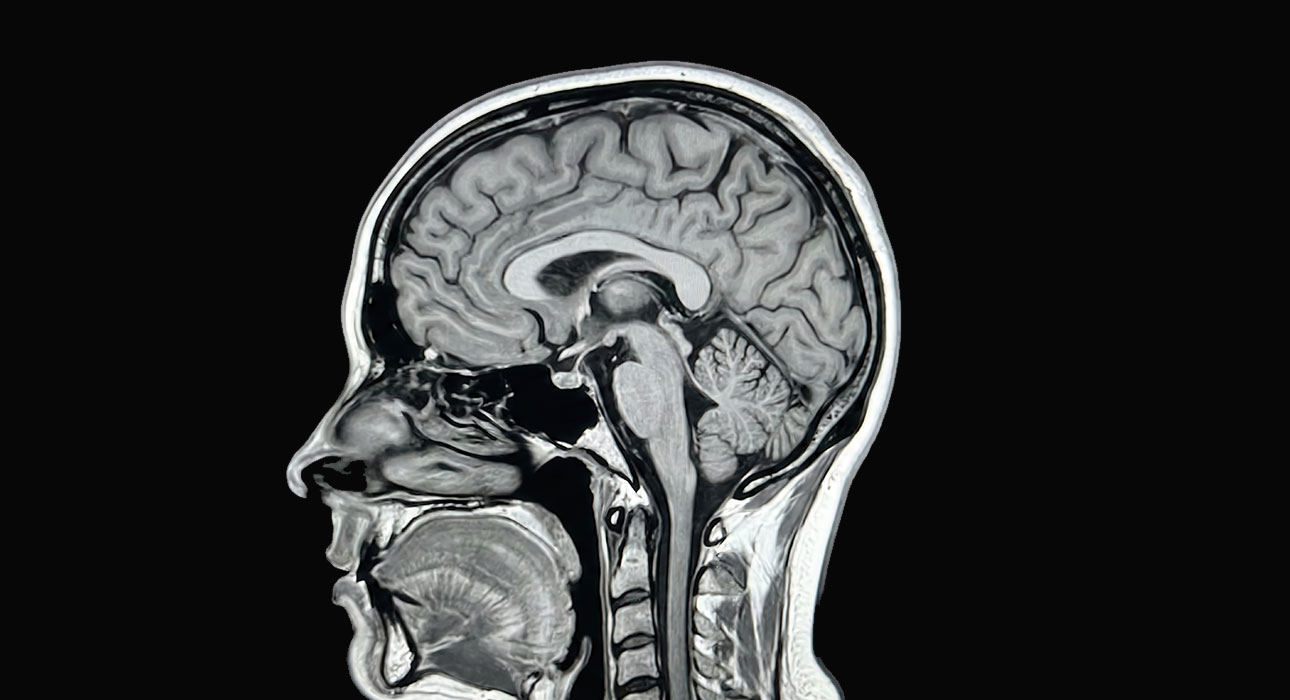
The new topic for this investigation was about the development of an innovative artificial intelligence program called “Hetairos” that can accurately determine the molecular type of tumours in the brain and spinal cord within approximately twelve minutes by analysing ordinary tissue slides. These kinds of brain tumours have different types that must be determined precisely, as the treatment process relies heavily on their specific nature. The problem is that at the moment the best test that can provide this information takes about twelve days and costs too much.
Understanding the main theme
The key concept involved in the research is “AI-powered histology.” The premise involves applying deep learning to identify certain features in digital images of regular stained tissue samples (i.e., H&E slides) and predict the molecular subtype of the tumour based on subtle features not easily recognisable to the naked eye. In other words, molecular subtyping refers to the biological classification of tumours into various subtypes, taking into account the genetic makeup of the cancer, which then determines the treatment regimen and response to such treatment. Put simply, the technology behind Hetairos takes a digital image of the tissue sample slide and determines its molecular subtype of brain cancer.
Read More: Taming Tumour Chaos: A New Path to Better Glioblastoma Treatment
Research details
The study was headed by Moritz Gerstung of the German Cancer Research Centre (DKFZ) and Felix Sahm of Heidelberg University and Heidelberg University Hospital, along with collaborators around the globe. Hetairos was trained and validated using more than 11,000 digitised tissue samples obtained from 9,606 patients who had been treated in eleven clinics across four continents, where “ground truth” was obtained through DNA methylation testing.
Hetairos uses regular hematoxylin-stained histology slides (the type of slides that pathologists use) to classify into one of 102 distinct molecular types of cancer tumours that have been defined by the WHO, covering almost all central nervous system tumours. Finally, Hetairos was assessed retrospectively and prospectively alongside standard diagnosis, as well as being evaluated against five experienced neuropathologists viewing only the images.
Major findings
The AI system took just 12 minutes to get detailed information on the molecular subtype, cutting down on the required twelve days needed by traditional molecular testing once the tissue sample was digitised; the whole process normally takes between 24 and 48 hours. About Hetairos’ performance in directly comparing with the direct histology-only diagnosis approach, the former had a diagnosis success rate of about 68% in 210 complex cases, whereas the latter had about 30%; the success rates in diagnosing using the top three predicted diagnoses were 84% against 50%, respectively.
On the whole, Hetairos is capable of recognising 102 different molecular subtypes and attains an 87% or 88% diagnosis success rate in about 50% to 70% of the cases where it identifies the diagnosis with high certainty. Notably, Hetairos is able to point out the particular parts of the tissue that made its diagnosis possible, allowing physicians to review the rationale and identify samples for further analysis.
Read More: New Research Reveals How CLPTM1L Strengthens Cancer Growth Signals in Glioblastoma
Author’s Perspective
The researchers highlight that the AI program called Hetairos proves that artificial intelligence is capable of providing valuable molecular insights from standard histology, thus revolutionising and democratising the precision cancer diagnosis field. They highlight that the program is designed to complement molecular testing and experts by analysing numerous samples, identifying challenging ones, and being particularly useful where specialised facilities or a limited amount of tissue samples are available.
According to the researchers, neuropathologists with substantial experience have proven to be equally effective when dealing with rare tumours, but further enhancement of the AI algorithm is expected after training it using more data samples. On the whole, Hetairos can be considered an additional “digital copilot” for reducing costs, saving time, and performing more effective confirmatory testing.
Conclusion
The present paper concludes that artificial intelligence systems such as those developed by Hetairos are capable of rapidly classifying central nervous system tumours into subtypes according to their molecular makeup based solely on tissue slides. The most important point is that systems like Hetairos can revolutionise the field by eliminating the need for molecular diagnostics, saving time and improving treatment effectiveness.
References +
News, N. (2026, June 10). AI Predicts Brain Tumour Molecular Subtypes in Twelve Minutes – Neuroscience News. Neuroscience News. https://neurosciencenews.com/ai-brain-tumor-molecular-subtyping-30864/


Leave feedback about this