







Content Warning: This article contains discussion related to suicidal thoughts and mental health struggles. Reader discretion is advised.
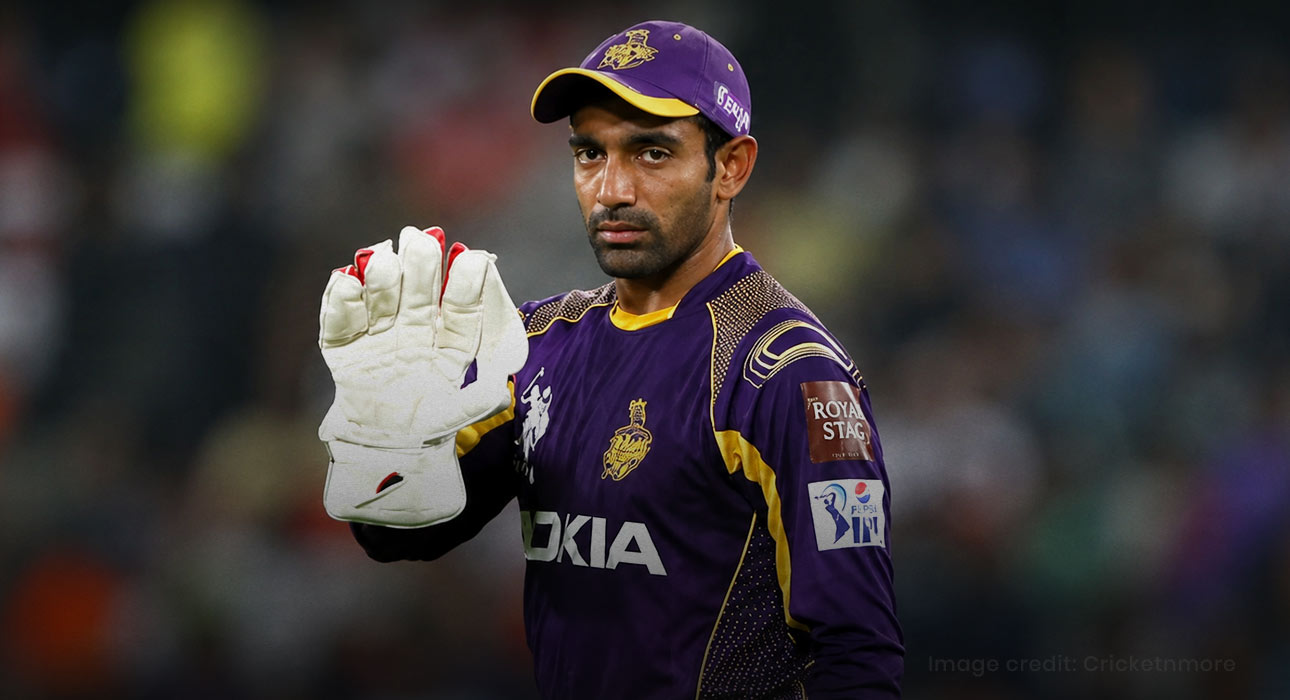
Former Indian cricketer Robin Uthappa has increasingly spoken about the importance of mental health awareness in professional sports. Over the years, he has openly shared his experiences with emotional exhaustion, identity struggles, and suicidal thoughts during his cricketing career. His journey has contributed to broader conversations about psychological well-being among athletes, coaches, sports organisations, and families involved in competitive sport.
Before becoming an advocate for mental health awareness, Robin Uthappa established himself as one of India’s recognised cricketers. He was part of India’s victorious squad in the ICC World Twenty20 under the leadership of MS Dhoni and later won the Orange Cap in the Indian Premier League. Despite his achievements, Uthappa later reflected on the emotional difficulties he experienced as he tried to separate his personal identity from his professional success. He spoke about struggling with self-worth and uncertainty regarding who he was beyond cricket. According to a 2026 report by The Economic Times, professional sports culture often prioritises performance and results, leaving limited space for athletes to express emotional vulnerability or psychological distress (The Economic Times, 2026).
Read More: The Psychology of IPL Cricket: Fame, Money, and Performance Pressure
“Someone Is Always Ready to Replace You”
Robin Uthappa explained that professional athletes often experience constant pressure related to performance, competition, and public expectations. Similar to other high-pressure professions, athletes may fear losing opportunities or positions due to underperformance. However, athletes additionally face intense public scrutiny and continuous evaluation from audiences, selectors, and the media. Research suggests that such performance-related pressure can significantly affect psychological well-being among elite athletes (Reardon et al., 2019).
His reflections highlighted the emotional demands associated with professional sport and the limited attention historically given to athletes’ mental health within competitive sporting environments.
Read More: Elite Athletes and Their Struggles with Mental Health
From Emotional Struggles to Self-Healing and Advocacy
While discussing his mental health journey, Robin Uthappa acknowledged that professional success and public recognition did not necessarily protect him from emotional distress. Despite achieving fame and career milestones, he described periods of loneliness and internal struggle. His experiences reinforce broader findings that mental health challenges can affect individuals regardless of social status, wealth, or professional success (World Health Organisation, 2022).
Over time, Robin Uthappa began focusing on emotional healing and self-awareness. He gradually became more open about discussing his struggles rather than suppressing them privately. According to The Economic Times (2026), this process motivated him to support individuals facing similar emotional and psychological challenges.
The Growing Conversation Around Mental Health in Sports
In recent years, discussions surrounding athlete mental health have gained greater visibility in India and internationally. Several sportspersons have openly discussed experiences related to anxiety, depression, burnout, and performance pressure.
Former Indian cricket captain MS Dhoni has also emphasised the importance of mental conditioning coaches in helping athletes manage emotional stress and psychological pressure (Hindustan Times, 2020). Mental health experts continue to advocate for safer and more supportive sporting environments where athletes feel comfortable discussing emotional difficulties without fear of judgment or stigma. Research indicates that many athletes avoid seeking support due to concerns about criticism, public perception, or professional consequences (Rice et al., 2016).
Uthappa’s openness regarding his experiences has contributed to reducing stigma around vulnerability and emotional recovery in sport. His journey reflects the importance of recognising psychological well-being as an essential component of athletic performance and overall health.
Read More: From U-19 Stardom to IPL Spotlight: Are Young Cricketers Mentally Prepared?
A New Chapter in Mental Health Advocacy
Following his cricketing career, Uthappa has increasingly focused on supporting emotional wellness and mental health awareness initiatives. Drawing from his personal experiences, he now works toward encouraging conversations around emotional resilience, self-awareness, and seeking professional support when required. His transition from international cricketer to mental health advocate reflects the growing importance being placed on psychological well-being within sports and society more broadly (Economic Times, 2026).
His journey demonstrates that success is not solely defined by awards, records, or public recognition, but also by emotional awareness, resilience, and the willingness to seek help during difficult periods. Through openly discussing his experiences, Uthappa has encouraged broader conversations surrounding mental health, particularly among individuals working in highly competitive and high-pressure professions.
As conversations around mental health continue to expand, stories such as Uthappa’s may help create safer spaces for individuals to discuss emotional struggles and access support without fear of stigma or embarrassment.
References +
- Economic Times. (2026). IPL Orange Cap winner in 2014 is now a mental health coach: A journey from suicidal thoughts to winning the World Cup alongside MS Dhoni.
- Economic Times Article – https://economictimes.indiatimes.com/news/new-updates/ipl orange-cap-winner-in 2014-is-now-a-mental-health-coach-a-journey-from-suicidal thoughts-to-winning-the-world-cup alongside-ms-dhoni/articleshow/131341437.cms?
- https://www.newindianexpress.com/cities/bengaluru/024/Dec/26/during-my recovery-i saw-how-mental-health-is-stigmatised-says-cricketer-robin-uthappa
- https://www.thenationalnews.com/lifestyle/2026/05/26/at-home-with-robin-uthappa indian cricketer-on-family-life-moving-to-dubai-and-his-mental-health-journey/





Leave feedback about this