







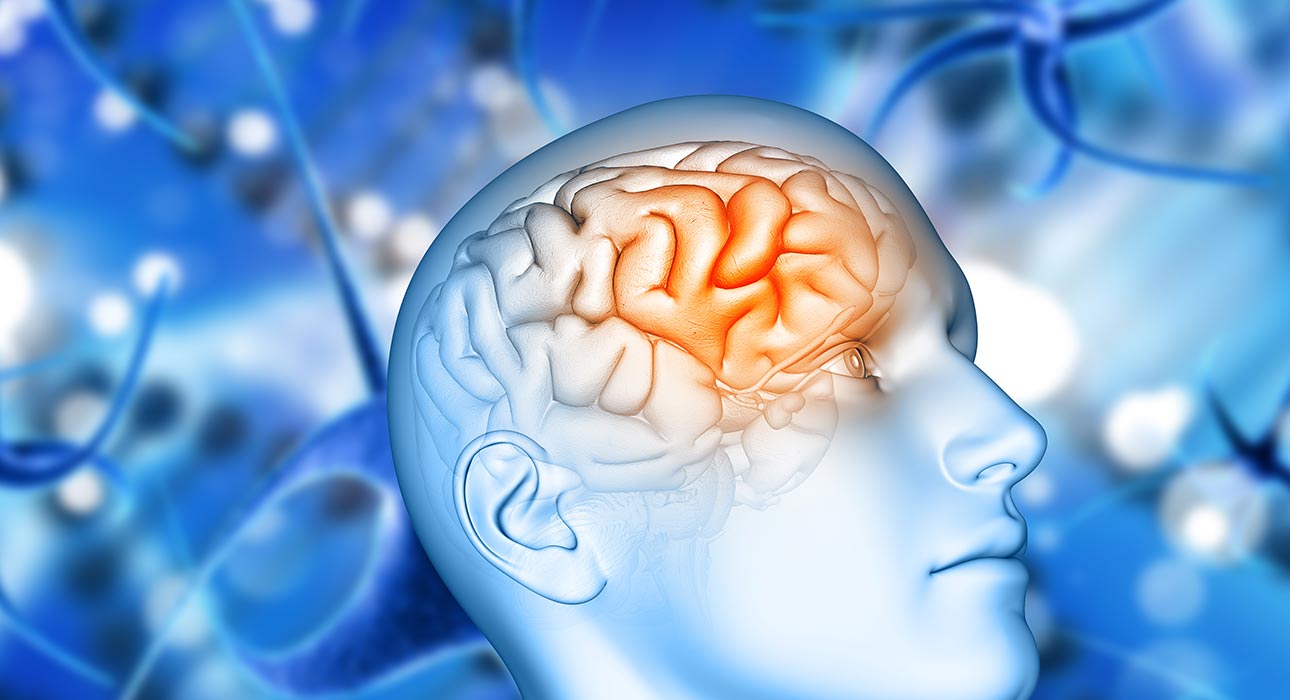
When it comes to talking about Alzheimer’s disease, much attention has been focused on plaques and tangles. But the paper featured here helps bring the brain’s internal immune defence, particularly its microglia cells and other myeloid cell partners, to centre stage. What these cells are doing, both during the ageing process and in disease development, is important, as they might exacerbate the damage or act protectively to defend neural circuits.
At the Icahn School of Medicine at Mount Sinai, researchers analysed over 830,000 brain immune cells from 1607 human samples, encompassing normal ageing to varied levels of Alzheimer pathology. They wanted to know the role of microglia and perivascular macrophages throughout this process and whether any of these immune responses can be turned into therapeutics that help alter the progression of the disease.
Read More: New Research Reveals How APOE4 Causes Brain Cell Shrinkage Years Before Alzheimer’s
Neuroinflammation Means
Central to this work is the notion that neuroinflammation is not merely damaging, but that an immune response within the CNS has its place and can, in certain situations, serve an adaptive and protective role. Microglia (the brain’s own immune cells) survey the neuronal neighbourhood at all times.
We’ve known for ages that Alzheimer’s disease revolves around clumps of proteins named amyloid plaques and tangles, but evidence indicates it’s the brain’s reaction to them, how microglia react, that drives the progression. Rogue immune cells can drive more rapid cell loss, while specific states may offer protection by eating up unhealthy stuff and by dampening some inflammatory signals.
The core of our main research question on cognitive immunity and risk is “The study is motivated by the question of resilience vs. vulnerability in cognition: The “immune” cells of the brain act as players that promote, rather than prevent, illness at any time, and the molecular identity of these players may shift throughout the brain as time goes on.”
Experimental Design
In a major large-scale single-cell study of myeloid-lineage immune cells within the human brain, which include microglia and perivascular macrophages of the brain, a group headed by Donghoon Lee and Panos Roussos sequenced brain cells from prefrontal cortex regions of 1,607 human donors of diverse ages and various degrees of Alzheimer’s pathology.
High-dimensional molecular profiling enabled them to group >830,000 cells into 6 general subclasses and 13 distinct types of myeloid cells, enabling them to track changes in type abundance, gene expression, and how each changes over normal ageing and over the progression of AD-related changes.
To achieve the methodological objective of creating a granular “reference atlas” of brain immune cell plasticity, we focused on delineating disease-associated subpopulations of cells and characterising molecular cascades that maintain these states. Our approaches included studies on human cells in conjunction with experiments in mouse models used to experimentally validate the functional impact of selected pathways, including signalling through TREM2, MITF, and GPNMB.
Read More: Alzheimer’s Combination Therapy Targeting Amyloid and Tau Proteins
Link Between Microglia and Alzheimer’s Disease
One of the most impressive aspects of the study is discovering a subpopulation of microglia specifically associated with the disease, which grows more prevalent as AD progresses. Contrary to prior descriptions of microglia as being essentially a negative force (“activated microglia”), this microglial subpopulation seems to confer protection by showing increased capability to “eat up” harmful objects in the brain, such as damaged cells or potential toxic aggregates.
The study reveals six subclasses and 13 subtypes of myeloid cells, providing an in-depth understanding of the heterogeneity of the myeloid cell population in the brain across ageing and disease. It also highlights the potential role of specific microglial subtypes as protective responders to Alzheimer’s disease progression. Specifically, the research finds an increase in the protective microglial subtype in Alzheimer’s disease, indicating an attempt by the brain to compensate for the effects of the disease.
Functionally, the beneficial effects of these cells are largely explained by a pro-resilience microglial state, which is controlled by the signalling receptor TREM2 (and partly by MITF and GPNMB). Single-cell RNA-sequencing analysis of human tissues, as well as studies in mice, reveal that TREM2 signalling needs to be present for this protective microglial state to happen; in its absence, the ability of microglia to undergo such transformation is decreased, as is their capacity to clear out harmful material.
Although clinically and behaviorally the study seems more mechanistic than symptomatic, the fact that it connects certain microglial states with either protection or even the opposite, exacerbation of the condition, highlights the importance of targeting these pathways to prevent or mitigate cognitive decline.
Read More: How Neurons Choose a Single Axon: New Research Reveals an Internal Growth Mechanism
Looking through the Authors’ lens
Both scholars claim that their data represents the most comprehensive insight into the ways brain immune cells adjust to ageing processes as well as respond to Alzheimer’s pathology. Through their work, the researchers hope to contribute to the understanding of the mechanisms that make microglia a critical player in physiological decline and pathologies by focusing on immunological plasticity rather than trying to distinguish between “good” and “bad” cells.
The authors of the study claim that their data represent the most comprehensive understanding of how brain immune cells adapt to ageing and the development of Alzheimer’s disease so far. The data can help shift the paradigm in microglia research from the concept of “healthy” and “diseased” microglia to the identification of distinct subtypes with unique functions.
They suggest that the identification of this particular type of disease-associated microglia, and especially the pathway that maintains it, “raises the possibility that future therapies for Alzheimer’s disease will not only target the clearance of β–amyloid plaques but also harness neuroprotective innate immune responses, particularly those mediated by TREM2–MITF–GPNMB signalling.” In other words, they propose that the focus of pharmaceutical intervention may shift from targeting the plaques themselves to boosting the protective response.
The findings also have implications for understanding the mechanisms driving the associations between the reported genetic variants in genes such as TREM2 and APOE and the development of Alzheimer’s disease. Specifically, if a given gene plays a role in the homeostasis of disease-associated microglia, then the implication is that variants that lower the threshold for the emergence of this state would be predicted to confer an increased risk of Alzheimer’s or hasten its progression. Experts increasingly view this work as part of a broader shift toward “immune-informed” models of brain ageing, which treat communication between the neural and immune systems as a central factor in disease progression and treatment response.
Read More: The Diverse Roots of Alzheimer’s Disease: New Research on Brain Changes Across Ethnic Groups
Conclusion
Overall, the identified research contributes significantly to a comprehensive understanding of the immune cells of the brain. It also highlights their plasticity throughout an individual’s life and their role in the development of Alzheimer’s disease. In particular, the study revealed microglial cell subtypes that promote protection while others contribute to disease progression. Researchers found that the protective microglia population increased during Alzheimer’s development and depended on TREM2-based signalling. Thus, the research controls the mechanism by which microglia undermine Alzheimer’s progression through neuroinflammation.
So, the main point is that future drugs to treat Alzheimer’s may need to focus on bolstering the brain’s own immunological defences. This could involve encouraging “healthy” microglia. Future treatments may focus less on targeting plaques and tangles directly. This is an interesting approach, and a good reminder that the overall immunological context is critical for managing such diseases.
References +
- Neuroscience News. (2026m, August 11). Study of brain immune cells reveals new clues to alzheimer’s disease progression. Neuroscience News. https://neurosciencenews.com/study-brain-immune-cells-reveals-new-clues-to-alzheimers-dis ease-progression-31205/
- Hussain, N., Khan, M. M., Sharma, A., Singh, R. K., & Khan, R. H. (2025). Beyond plaques and tangles: The role of immune cell dysfunction in alzheimer’s disease. Neurochemistry International, 184, 105947. https://doi.org/10.1016/j.neuint.2025.105947
- Orenstein, D. (2025). Immune-informed brain ageing research offers new treatment possibilities, speakers say. In MIT News | Massachusetts Institute of Technology. https://news.mit.edu/2025/immune-informed-brain-aging-research-offers-new-treatment-possi bilities-1008
- Neuroscience News. (2023, August 25). 3D model reveals T cell role in alzheimer’s progression. Neuroscience News. https://neurosciencenews.com/t-cell-model-alzheimers-23839/
- Cao, Y., Tang, K., Ma, P., Zhang, R., Yang, Y., Li, T., Zhang, Y., & Peng, X. (2025). The role of peripheral innate immune cells in Alzheimer’s disease progression. Frontiers in Immunology, 16. https://doi.org/10.3389/fimmu.2025.1616939
- Berriat, F., Lobsiger, C. S., & Boillée, S. (2023). The contribution of the peripheral immune system to neurodegeneration. Nature Neuroscience, 26(6), 942–954. https://doi.org/10.1038/s41593-023-01323-6




Leave feedback about this