







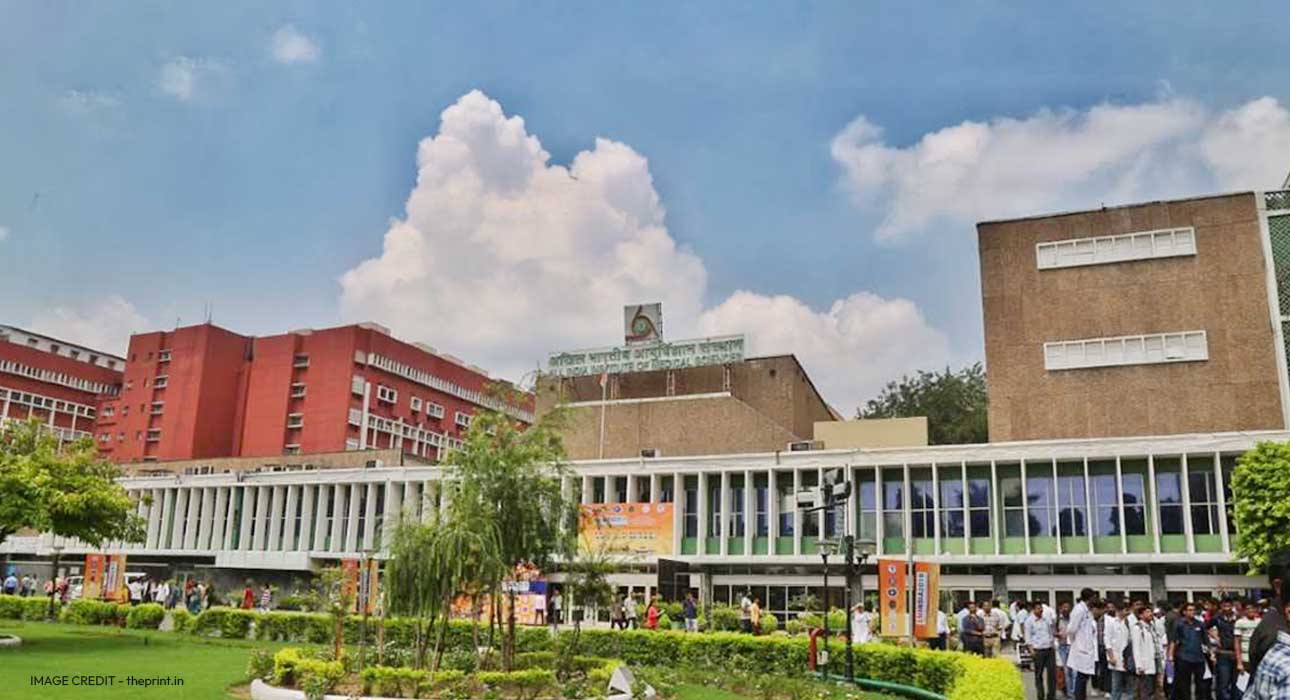
All India Institute of Medical Sciences (AIIMS) has come up with new research which claims that the frequency and tone of a person could help in early identification of Depression among individuals. Vocal efforts and emotional coloring along with speech analysis, could flag early symptoms of depression, acting as an assistive tool. This is especially for the communities with limited access to mental health care.
Globally, 264 million people are affected by depression. Depression has been one of the rising mental health concerns among the Indian population. India’s Mental Health Survey 2015 found that one in twenty people experiences depression with a major suicide risk. Another research was conducted across 15 cities of India on 8,542 college students by the National Institute of Mental Health and Neurosciences (NIMHANS). The results showed that one -third of the participants had moderate to severe symptoms of depression, and suicidal thoughts were reported by one in five.
Read More: NIMHANS 2.0 Gets a Slot in The 2026 Budget
Research Details
The research took place among 423 participants between the age group of 18-25 years old. The participant’s speech sample was analysed at an Advanced Speech Health Lab. The lab is set up in AIIMS, New Delhi, where their clinical and demographic details were recorded. With respect to the age group 2-3rd was nearly 23, and 75 per cent were under 25. After mid 30s, participants decline steadily. When longer samples were assessed, the speech analysis prediction accuracy rose to 78 per cent from ranging between 60-75 per cent. Around 32 per cent had clinically meaningful depressive symptoms as per standard psychiatric screening.
Read More: The Connection Between Emotional Stress, Depression, and Cardiovascular Health
Major Results
Depression as a condition alters speech, according to the research. It reduces fluency, flattering prosody and lowering vocal efforts. Thus, research claims to support early referral and screening of depression. However, giving a disclaimer that it cannot replace clinical diagnosis. Professor Dr Namd Kumar, Department of Psychiatry at AIIMS, New Delhi, shared that patients with depression showed reduced fluency, and diminished prosody or monotonous speech. The analysis of speech gives an objective, identifiable sign of depression.
Read More: AIIMS-Delhi introduces training in neuromodulation for mental health
What is Depression?
According to the World Health Organisation (WHO), depression is a mental health condition that includes a consistent low mood, and loss of activities or activities one used to like previously. The individual has a feeling of helplessness and hopelessness for a long period of time. Other symptoms include difficulty in concentration, low self-esteem, feeling of excessive guilt, disrupted sleep, change in appetite and frequent feeling of tiredness or low energy.
Linguistic Features
Cognitive and Behavioral processes are affected by depression, which in turn influences productivity and quality of speech. Therefore, voice acts as a powerful source of information about an individual’s mental health. The research focuses on fluency, tone, articulation, pitch, paralinguistic markers, emotional resonance, and vocal energy, which are the linguistic features of lab studies.
Paralinguistics is a non-verbal or gesture form of communication in which the conversation process plays an essential role in increasing the effectiveness of the speech. These include pauses, facial expressions, body gestures, etc. Thus, a voice-based public tool has been developed by AIIMS New Delhi in recent research. The research supports the mental health of low-resource-based communities by early identification and flagging of depressive symptoms. The voice can be used as an objective assistive tool.



Leave feedback about this