







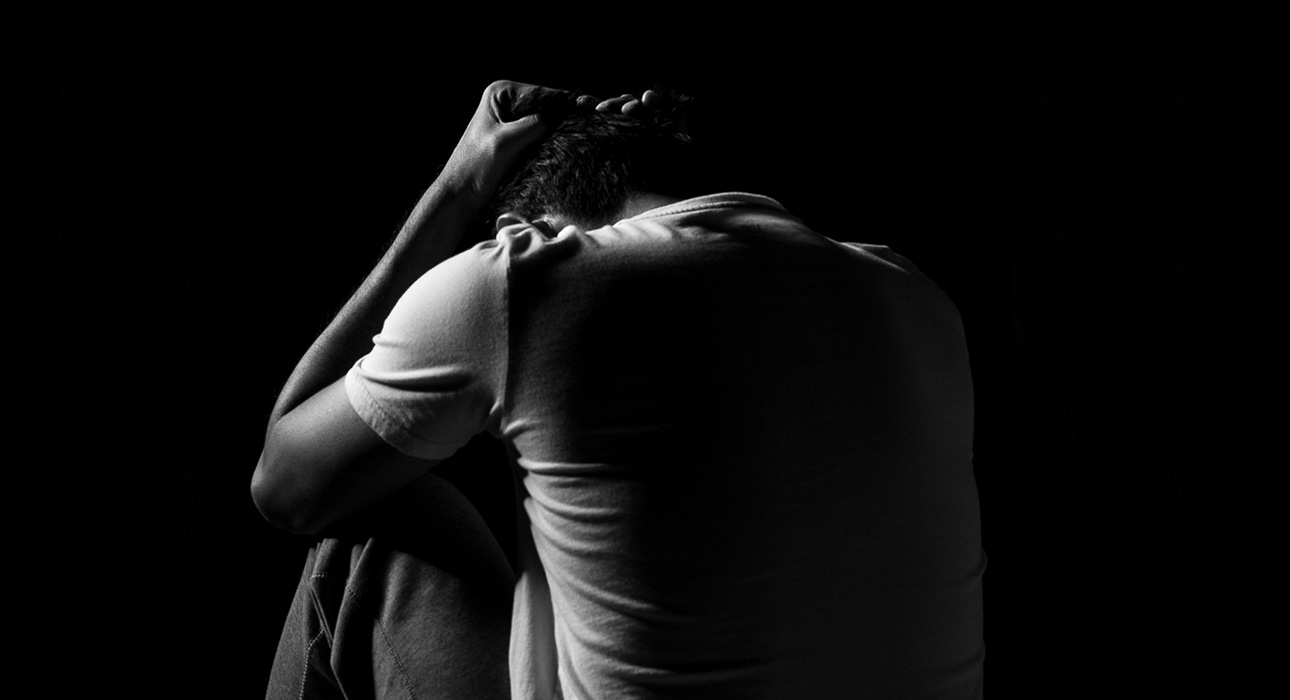
Addiction, the word itself is defamed enough; it never fails to instil negative feelings in our gut. No wonder it is one of the biggest Taboos in our society. We hear about it and instantly think, “Oh! It’s about the rogue addicts and evil doers, and has got nothing to do with us”. Now, what compelled me to write on the topic was my study of the works of Dr Gabor Maté.
Dr Gabor Maté is a renowned Canadian physician and bestselling author widely known for his expertise on trauma, addiction, childhood development, and the connection between stress and illness. Dr Maté has a completely unique perspective on Addiction, unlike any I had heard before. And this is my sincere attempt to translate his work on addiction into a comprehensible read and spread awareness.
Dr Maté defines addiction as: “a process that is manifested in any behaviour that provides temporary relief or pleasure that a person craves, and continues to suffer negative consequences in the long term but does not give up despite them.”
So, Addiction is:
- craving relief and pleasure in the short term
- negative consequences in the long term
- And an inability or refusal to give up.
Addiction can be of the obvious, dangerous kind, which involves physical and psychological dependence on a substance. Or it could come in a subtler, more socially acceptable form of behavioural addiction.
- Substance Addiction: Alcohol, nicotine, stimulants (drugs), opioids, sedatives and hypnotics (sleeping or anti-anxiety pills), etc.
- Non-substance (or behavioural) Addiction: Gambling, social media and gaming, shopping, compulsive or restrictive eating habits, etc.
Through the lens of Dr Maté, behavioural addiction varies from substance addiction only in the degree of severity of consequences; however, the root cause of both kinds can be traced back to disturbing early-life experiences.
Dr Gabor Maté chose to take an understanding, more compassionate approach towards this compulsive dependency among people. Instead of questioning their moral stance, he bothered to dig deeper and unearth the disguised pain that had tormented them for God knows how many moons.
He argues that addiction is not a “genetic disease” or a “choice”, but a coping mechanism rooted in unhealed childhood trauma or agonising life experiences. Imagine a child who happens to have emotionally unavailable parents. Growing up in an environment of neglect and detachment, the child is highly likely to develop a deep sense of worthlessness and chronic anxiety, which will further impair their emotional and psychological safety.
As an adult, the individual will continue to carry the emotional baggage. These deeply buried inner wounds may manifest in forms of severe anxiety and mental anguish. In the quest to flee these feelings, the individual may eventually end up consuming some kind of substance that helps them escape the unsufferable reality and provides momentary relief.
And this is how substance abuse that began as a coping mechanism ultimately spirals into dependence. Since addiction is not limited to substance abuse, certain emotional traumas may translate into forms of compulsive behavior, which, I believe, most of us can relate to.
- Feelings of worthlessness may cause an individual to develop work addiction or workaholism.
- In attempts to numb emotional distress, people often turn to social media and engage in compulsive scrolling.
Somewhere, at some point of time in our lives, most of us have had some or other kind of addiction. Perhaps not substance, but maybe shopping, people-pleasing, or escaping into our own fantasy land where our unmet needs are finally fulfilled.
There is a question that Dr Gabor Maté asks that never fails to intrigue me:
“I will not ask what was wrong with the addiction but what was right about it. What did it do for you in the moment?”
He then continues, Your addiction is not a problem. It is in fact, a solution to your problem!
The problem was trauma.
When an individual finds themselves amid a chaotic, dreadful situation, their brain automatically goes into fight-or-flight mode. And more often than not, when you are a child or in a vulnerable state, it is impossible to fight or escape your circumstances. Then the human mind, wise. Well-equipped with survival skills, finds alternatives and painkillers to substitute for the unmet needs and ease the pain. Hence, the addictive behaviour. It is rather convenient to look at a sufferer of addiction through the lens of our slanted judgement and call them an Addict!
We often say “something is wrong with them”.
Well, of course something didn’t go right!
Their brain is still functioning in fight-or-flight mode.
The thing that is “wrong” with them, or with any of us, our problematic behaviour, is in fact our brain’s response to the traumatic experience. It began as a coping mechanism in childhood. Along with Dr Gabor Maté’s analysis, there is scientific and research literature that indicates a similar root cause to addiction.
A study by the National Institute of Mental Health, U.S.A., finds a significant correlation between traumatic experiences, especially in childhood- including emotional, physical and sexual abuse and Substance Use Disorders (SUDs), which are also highly comorbid with current PTSD (Post-Traumatic Stress Disorder).
Addiction is not a choice. Not a moral failure. Not a character flaw.
No one chooses to be abused in childhood. No one calls traumatic experiences upon themselves.
Rather, it is a compensation for something that you lost, a painkiller for that which was unsufferable.
This takes me to another intriguing inquiry by Dr Maté:
The question to ask is not “why the addiction but why the pain?”
The pain of receiving anything other than kindness by a fragile, tender life leaves scars scarier than one realises.
The longing for love lingers in later life.
Addiction is not a disease that needs to be cured; it is Human Development gone Awry, that needs to be healed from within. This was my sincere attempt to spread awareness and encourage a compassionate approach towards Addiction. In my next article, I will explore practical ways to cope with addictive behaviour and heal from within. Until then, stay tuned
References +
- https://share.google/teM71grs19Xn4glrI
- https://pmc.ncbi.nlm.nih.gov/articles/PMC3051362/#abstract1
- https://www.shutterstock.com/shutterstock/photos/270465260/display_1500/stock-vector-addict-man-and-set-of-addiction-symbols-outlined-vector-sketch-270465260.jpg
- In the Realm of Hungry Ghosts, a book by Dr Gabor Maté
- National Library of Medicine


Leave feedback about this