







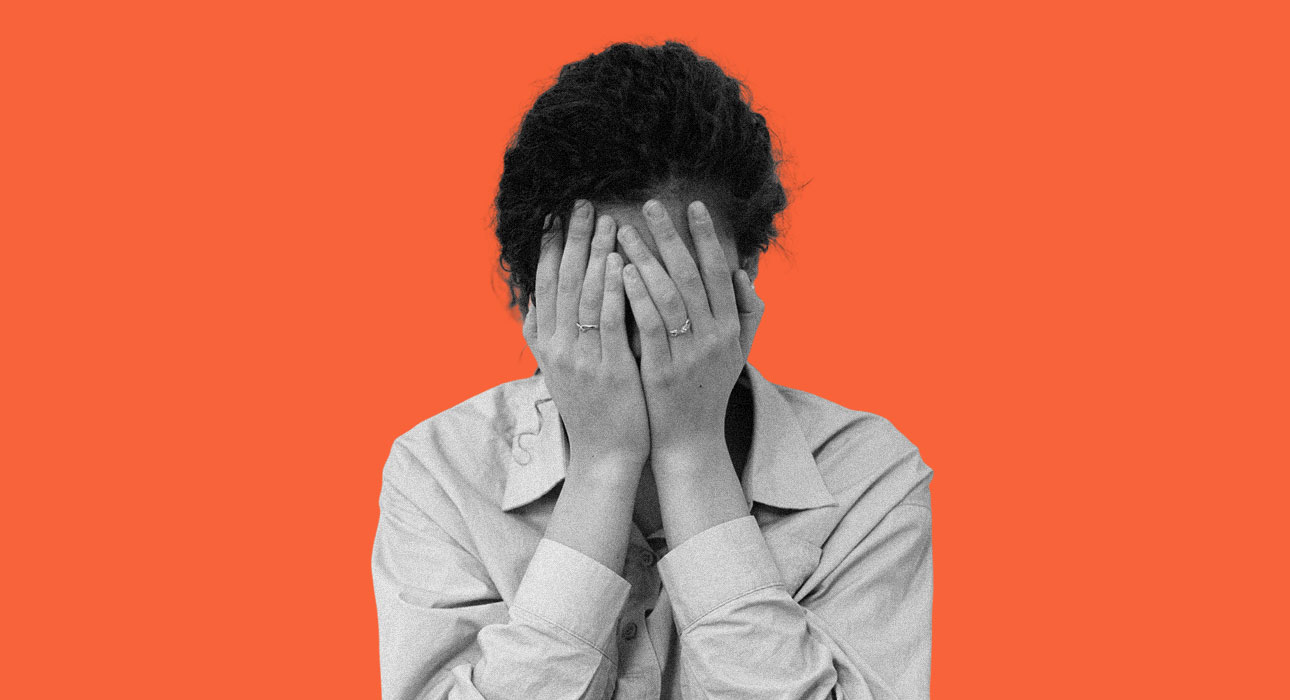
These days, opening an app or turning on the screen often means hearing about trauma. School pressure lands hard enough that some call it traumatic. Relationships ending hit deep, so they get described that way, too. Even awkward phone calls with support staff sometimes earn the term. Something shifted. Why do we reach for this word so fast? What happens inside when pain becomes identity? Now trauma shows up in chats at coffee shops, not just therapy rooms.
Once tied only to danger, say, combat or crashes, it named moments that shook survival itself. These days, it slips into talk about tough breakups or stressful meetings. One crowd sees progress: naming pain openly helps healing grow. Another group frowns, saying the weight behind the word fades when stretched too thin. Either way, what we do with this label says volumes. Hidden inside are clues about who we think deserves sympathy, how much hardship earns respect, and where personal stories meet public norms.
Read More: Emotional Bypassing After Breakups: The Hidden Costs of Skipping Healing
What Does Trauma Actually Mean?
A moment too heavy to handle might break how someone manages hard feelings, staying with them long after the body or mind is marked by what happened. Sudden shocks, far past everyday worries, shape these moments: think floods, crashes, harm done on purpose, and seeing blood spilt nearby. Safety slips away when such things strike, balance lost without warning. Afterwards, some find themselves stuck reliving it, nerves tight years later, a pattern known as post-traumatic stress disorder. When people go through trauma, it not only impacts how they feel.
It reaches into both mind and physical form. Because of distressing events, the way bodies handle pressure may become unbalanced, sometimes stuck on high alert, sometimes shut down (van der Kolk, 2014). Fear centres in the brain, such as the amygdala, often grow more active after harm occurs. Meanwhile, memory regions like the hippocampus might shrink or work less smoothly (Bremner et al., 1995).
When the body remembers pain long after the event has passed, that is trauma. Not simply sadness, but something deeper, something etched into breath, heartbeat, and muscle memory. A moment stays alive inside even when time moves on.
How This Language Reached All Places
1. Social Media Turns Emotions Into Shared Experiences
Nowhere else have feelings been so openly aired as they are today. Platforms like social networks, online journals, and televised stories invite openness about inner life. Because of this, talking through pain moved out of quiet rooms into open view. What once stayed unspoken now gets declared aloud by many.
From 2010 to 2015, words tied to inner struggles grew much more common online, according to a look at how speech evolved across sites such as Twitter (Stupinski et al., 2021). Not every person is hurting more; they’re just speaking up louder than before. Yet what stands out isn’t the rise itself but rather the shift in silence breaking wide open.
2. Awareness Grows, but Words Move Faster Than Understanding
Back then, nobody really cared if you felt scared, stressed, or down; people just said, “toughen up.” These days, we’re starting to see that hurt feelings matter too. Thanks to things like Bell Let’s Talk and World Mental Health Day, discussing inner pain isn’t strange anymore; actually, it helps.
Yet at times, the word spreads before its true sense settles in. Labelling a hard test as “traumatic” might not match the clinical picture of trauma at all. People reach for strong terms like this when they want to express depth in what they’ve lived through, accuracy aside. These days, folks toss around heavy words such as “trauma” when talking about everyday pressure like a bad day at work.
Because of this habit, what those labels actually stand for starts to blur over time. One person’s “anxiety” might just be another’s nerves before a meeting. The weight behind each term stretches thin when used too loosely across conversations. Pennebaker and team noticed this drift in how language behaves in real life. So while the phrases spread fast, their roots in medical truth often fade into background noise.
3. Trauma Language Seeks Acknowledgement
What helps trauma stick around isn’t just science; it hands folks words when hurt runs too deep for “stressed” or “upset.” Older labels sometimes fall short, unable to carry the weight some hearts hold. Naming an experience trauma? That act alone can say, “I didn’t bounce back,” or “that changed how I see everything.” One reason it helps to put feelings into words? It gives the mind a way to move through them. Those who describe tough moments in detail, on paper, tend to feel better afterwards. Research backs this up (Pennebaker, 1997). Call it what it is: saying pain out loud pulls focus toward healing.
When Words Help and When They Don’t
- Language That Helps
A trauma label might fit well when someone takes time to get it right. Yet carelessness turns words into weapons without meaning. Sometimes a phrase holds weight only if spoken gently. Truth lives inside precision more than volume ever could. Quiet attention shapes understanding better than loud assumptions do
- Validate real suffering
- Encourage people to seek help
- Reduce stigma around mental health conditions
- Create empathy among listeners
A silence once hung over those who lived through Childhood Trauma, conflict, or severe crashes. Now, offering words to name what happened, spaces where voices can rise, mark clear progress in how we support inner well-being. When trauma affects daily life, treatment works better if it names the experience directly, like in trauma-focused CBT (Silverman et al., 2008). A common way of talking makes understanding easier between the therapist and the person seeking help.
Read More: The Silent Apology: When People Repair Without Words
Language That Hurts
When people stretch trauma talk too far, problems show up. Not every tough moment fits that label. Words lose weight when stretched thin across everything. Some pain gets drowned out by noise. Real harm hides in plain sight. Meaning frays at the edges. Attention wanders where it should stay focused. What happens when we call every tough moment traumatic? The weight of the word fades. Real wounds aren’t stirred by routine hassles. They come from deep emotional ruptures, events that shake a person hard.
Calling everyday stress trauma could blur the line between real crises. When small struggles get big labels, someone needing serious care might not seek it. Spotting true distress becomes harder if everything feels extreme. The word loses weight when stretched too far. Help meant for deep wounds risks going elsewhere. Labelling everyday feelings as trauma might cause someone to see themselves as hurt in ways that stall recovery instead of building strength. A person could get stuck focusing on pain when growth needs movement beyond it.
Seeing normal reactions as deep wounds risks creating a story where healing takes longer because the mind stays fixed on damage. Identity shaped by sorrow may block paths forward simply because attention narrows too much. When emotion becomes labelled too heavily, space for resilience shrinks almost without notice. What we call things shapes how we handle them.
Though small stresses happen to everyone, naming them wrong might quietly chip away at someone’s belief that they can cope. Studies point out that seeing real trauma clearly helps healing along. Calling everyday pressure by heavier names risks blurring useful lines. Words carry weight simply because insight does. How well a person makes sense of their experience often rests on the careful terms being used.
Learning the Difference: Why It Matters
Out of deep feelings, sometimes confusion grows, clarity matters, yet when pain meets diagnosis. A rough day does not always mean trauma lives there, though respect should follow all suffering. Some say learning more words for feelings helps. Yet mixing those lessons with facts about medical guidelines works stronger. Take PTSD – this response to deep harm follows exact rules listed in a big book used by doctors. That guide, put out in 2013 by a U.S. health group, lays out clear signs. Spotting them lets professionals tell everyday struggles apart from illnesses needing care.
The Good That Can Come From Sharing Trauma
Though folks toss around words like “trauma” too much, there’s something good hiding in how we chat about hurt feelings these days. These moments open doors, and more of us speak up when the weight inside grows heavy
- Seek therapy
- Talk honestly about feelings
- Support friends facing emotional hardship
Openness might save lives. People who said they could talk freely about emotional struggles in surveys tended to seek support more often, also showing stronger mental well-being results (Mental Health Foundation, 2018). Nowhere else do broken feelings find voice like they do when words connect them. A common way to speak, however clumsy, builds spaces where being seen matters more than staying quiet.
Read More: You Don’t Have to Be Broken to Seek Therapy
Not Just a Trend but a Cultural Shift
One reason we hear so much about trauma lately isn’t that suffering is new; people have always struggled. Instead, words for deep hurt are more available today than before. Spaces online let personal stories spread fast. Talking openly used to be harder; silence was common. Now naming feelings feels less risky. Society pays attention differently to grief, fear, and confusion. Not long ago, such topics stayed hidden. The shift shows care moving inward. Voices once quiet now speak. Understanding follows when listening begins.
Still, matching words with true clarity matters. Daily hassles hit everyone, yet deep trauma strikes when events overpower how someone handles pain. Speaking carefully honours those who hurt deeply while helping recovery grow. Too casual, though, and the word loses weight fast. Truth be told, all this chatter on trauma isn’t just passing fashion. It hints, instead, at people fumbling toward better ways of sharing what goes on inside them. Progress drags, messy and halting. Yet words once locked away now find light. Not perfection, simply trying.
References +
- American Psychiatric Association, DSM-5 Task Force. (2013). Diagnostic and statistical manual of mental disorders: DSM-5™ (5th ed.). American Psychiatric Publishing, Inc. https://www.apa.org/topics/trauma
- Bremner JD, Randall P, Scott TM, Bronen RA, Seibyl JP, Southwick SM, Delaney RC, McCarthy G, Charney DS, Innis RB. MRI-based measurement of hippocampal volume in patients with combat-related posttraumatic stress disorder. Am J Psychiatry. 1995 Jul;152(7):973-81. doi: 10.1176/ajp. 152.7.973. PMID: 7793467; PMCID: PMC3233767.
- McNally RJ. Psychological mechanisms in acute response to trauma. Biol Psychiatry. 2003 May 1;53(9):779-88. doi: 10.1016/s0006-3223(02)01663-3. PMID: 12725970.https://www.who.int/health-topics/mental-health#tab=tab_1
- Pennebaker, J. W. (1997). Writing about emotional experiences as a therapeutic process. Psychological Science, 8(3), 162–166.
- Pennebaker JW, Mehl MR, Niederhoffer KG. Psychological aspects of natural language. use: our words, our selves. Annu Rev Psychol. 2003;54:547-77. doi: 10.1146/annurev.psych.54.101601.145041. Epub 2002 Jun 10. PMID: 12185209.
- Stupinski AM, Alshaabi T, Arnold MV, Adams JL, Minot JR, Price M, Dodds PS, Danforth CM. Quantifying Changes in the Language Used Around Mental Health on Twitter Over 10 Years: Observational Study. JMIR Ment Health. 2022 Mar 30;9(3):e33685. doi: 10.2196/33685. PMID: 35353049; PMCID: PMC9008521.
- Saxena, S., Funk, M., & Chisholm, D. (2014). WHO’s Mental Health Action Plan 2013-2020: what can psychiatrists do to facilitate its implementation?. World Psychiatry, 13(2), 107.
- Book- van der Kolk, B. A. (2014). The body keeps the score: Brain, mind, and body in the healing of trauma.




Leave feedback about this