








Fear is a natural emotion that helps humans respond to danger and stay safe. For a long time, scientists have studied fear using simple laboratory methods such as showing people pictures or symbols linked to danger. However, fear in real life is more complex and changes from moment to moment. This article focuses on research that uses artificial intelligence (AI) to better understand how the brain processes fear in more realistic situations.
Fear and the Brain
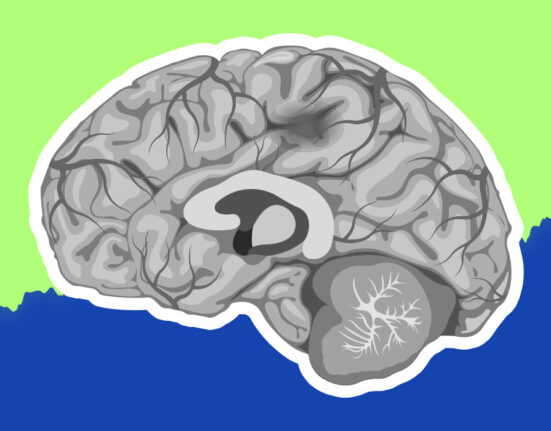
Fear is controlled by different parts of the brain that work together to detect threats and prepare the body to respond to those threats. One of the key brain areas involved in fear helps people recognise danger and react quickly. But fear is not always the same. It can change depending on the situation, the environment and whether other people are involved. Because of this, studying fear in real-life situations is important for understanding how it truly works.
Research Details
The research discussed in this article uses an AI-based brain model to study fear as it naturally unfolds over time. Instead of relying only on static images or simple laboratory tasks, the researchers observed brain activity during more realistic and dynamic experiences. This allowed them to see how fear responses rise, change and fade in different situations. The AI model helped track these moment-to-moment changes in fear and showed how the brain reacts differently depending on the context. By doing this, the researchers were able to capture fear in a way that closely reflects how it is experienced in everyday life rather than in artificial laboratory settings
Major Findings
The research suggests that fear is not a fixed or constant response but something that changes depending on the situation and surroundings. AI-based brain models are able to capture these changes more accurately, especially in real-life conditions where emotions shift over time. The findings also show that social factors play an important role in how fear is experienced, meaning fear can feel stronger or weaker depending on the social context. In addition, certain hormones have been shown to reduce fear in social situations. Overall, the study highlights that fear responses are more complex and flexible than previously believed.
Authors’ Perspective
The authors explain that studying fear only in controlled laboratory settings does not fully capture how fear works in real life. They believe that AI-based brain models provide a more accurate way to understand how fear operates in everyday situations. According to the authors, this approach can improve research on emotional and fear-related disorders and may help in developing more effective treatments for anxiety and other conditions linked to fear.
Conclusion
This article highlights how AI is helping scientists gain a deeper understanding of how it works in the parts of the brain work. By studying it in more realistic and dynamic situations, researchers are able to observe how emotional responses change over time and how social context influences the experience of fear. This approach offers new insights into anxiety, phobias and other fear-related conditions and may support the development of more effective and realistic treatment methods in the future.



Leave feedback about this