







Why, despite the availability of support, do people avoid discussing unpleasant thoughts? During challenging times, many people may postpone therapy appointments or switch to other subjects. When emotions surface, some people forget appointments or suddenly feel exhausted. These commonplace actions are a reflection of resistance, a deeper psychological process (Freud, 1914; McWilliams, 2011).
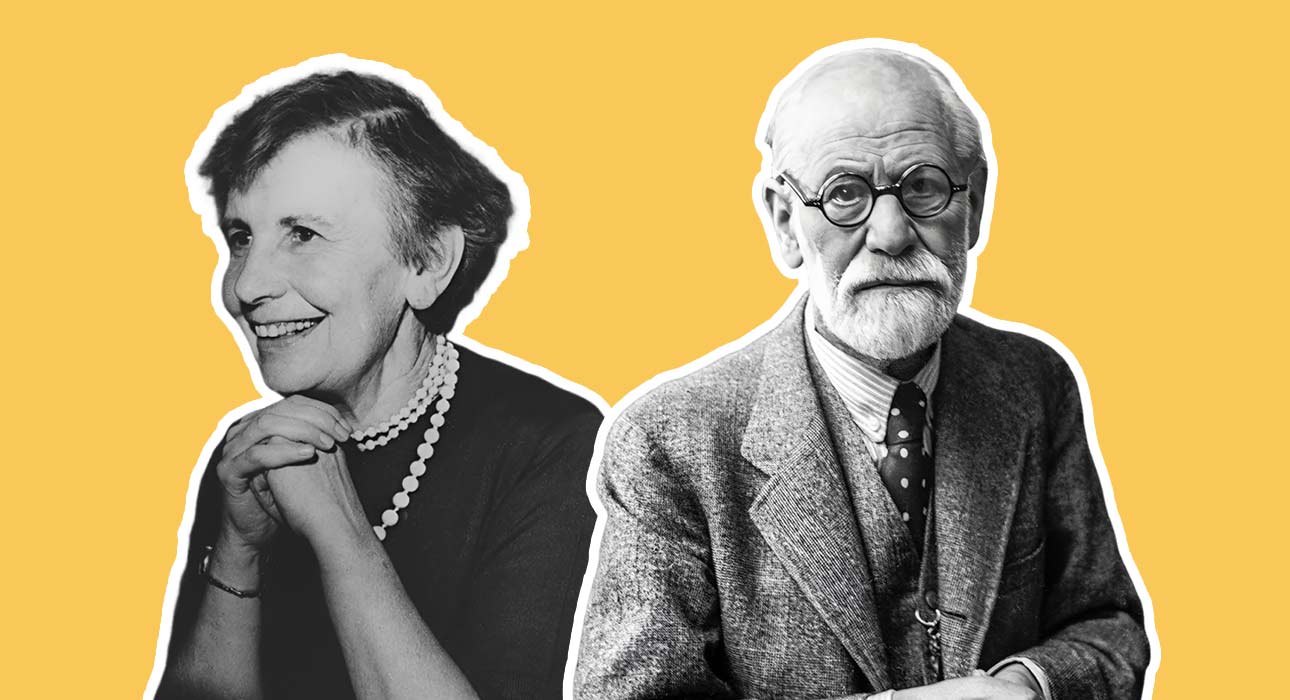
In psychoanalytic thinking, resistance is crucial. It was initially explained by Sigmund Freud while he was a clinical patient. This concept was later developed by Anna Freud, who linked it to ego defences (A. Freud, 1936). The explanation of resistance by both thinkers is reviewed in this article. It also looks at why their theories are still relevant today. Clarity, history, and useful meaning continue to be the key points of emphasis.
Knowing How to Interpret Resistance in Psychoanalysis
Any force that prevents awareness of uneasy thoughts is referred to as resistance (Laplanche & Pontalis, 1973). It manifests when the mind tries to steer clear of emotional distress. Frequently, this process occurs without conscious decision-making (Freud, 1914). Resistance manifests during free association in psychoanalysis. Patients might pause, make jokes, or shift the topic. Silence itself can have importance at times (Blum, 1999). These behaviours are not arbitrary. They shield the brain from worry. Internal conflict shapes behaviour. Initially, resistance was viewed as a clinical barrier. It later turned into a useful source of knowledge.
The Early Perspective of Freud on Resistance
Resistance was presented by Sigmund Freud when he was treating hysteric patients. He saw that some memories were difficult for the patients to remember. These incidents frequently involved feelings of humiliation or terror (Freud, 1905). According to Freud, resistance results from repression. The unconscious was forced to contain unacceptable ideas. Then the mind protected itself from their reappearance (Freud, 1914). Opposition functioned as a gatekeeper. It prevented unpleasant content from becoming known. In the short term, this procedure lessened distress. However, this protection postponed long-term repair. Freud maintained that therapy must address resistance.
Resistance as a Signal for Treatment
Later, resistance was reframed as significant by Freud. He thought it was a clear indication of unresolved conflict (Freud, 1914). Psychoanalysis was altered by this alteration. The therapist listened more intently when resistance emerged. Avoidance was a sign of emotional significance. Nothing was viewed as a coincidence. It was not considered disobedience to resist. Rather, it was interpreted as self-defence. This perspective raised interest and decreased blame. The therapeutic alliance took centre stage (Blum, 1999). Over time, trust reduced resistance.
Resistance Types Recognised by Freud
Freud distinguished between various forms of resistance. A distinct psychic force was reflected in each shape (Freud, 1912).
Typical forms were as follows:
- During sessions, there is silence
- Ignoring crucial information
- Missing sessions or arriving late
- Emotional intellectualisation
Unconscious fear moulded these behaviours. Emotional agony or a loss of control were the fears (McWilliams, 2011). Transference was also associated with resistance. Past relationships were reenacted in feelings toward the therapist (Freud, 1912). Sessions were more emotionally intense as a result of this dynamic.
Read More: From Denial to Humour: The Ladder of Our Mind’s Defences
The Transition to Ego Psychology and Anna Freud
The concept of resistance was extended by Anna Freud. She concentrated more on the role of the ego. She focused on daily functioning in her work (A. Freud, 1936). She thought that defences were actively employed by the ego. One such defence was thought to be resistance. Adaptation, not just avoidance, was the aim. This perspective helped to clarify resistance. It emphasised the effort made by the intellect to maintain equilibrium. Inferences of pathology were not always made. Child analysis was also impacted by her methodology. Children used play and behaviour to show resistance (A. Freud, 1936).
Mechanisms of Resistance and Defence
Anna Freud made a strong connection between defence systems and resistance. Internal conflict was managed with the aid of defences (A. Freud, 1936). When defences were contested, resistance surfaced. Typical defences included the following: Denying, Forecast, Justification and Formation of reactions. Resistance emerged when these defences were threatened by therapy. The ego made an effort to remain steady. This reaction was frequently instinctive (McWilliams, 2011). Failure was not viewed as resistance. It demonstrated survival and psychological fortitude.
Freud and Anna Freud’s Distinctions
Resistance was appreciated by both thinkers. But they were different in their emphasis. Unconscious conflict was Sigmund Freud’s main emphasis. Repressed material was inaccessible due to resistance (Freud, 1914). The primary instrument was interpretation. Anna Freud studied the function of the ego. Daily coping was shielded by resistance (A. Freud, 1936). Clarification and support were stressed. Later schools of psychoanalysis were influenced by these distinctions. Both perspectives are now combined in modern therapy (McWilliams, 2011).
Today’s Clinical Use of Resistance
In therapy, resistance is still crucial. Many contemporary methods continue to take note of it. Though the wording may change, the concept remains the same. Avoidance is shown in both cognitive and psychodynamic therapy (Verywell Mind, 2023). Carefully, emotional blockages are examined. Cooperation is better than conflict. Pacing is now determined by resistance. Depending on readiness, therapists modify their approaches (Healthline, 2022). This lessens emotional overload. Ethical behaviour is supported by respect for resistance.
Read More: The Psychology of Overstimulation: How Cognitive Overload Leads to Emotional Under fulfilment
Respectful and Ethical Interpretation of Resistance
Never mistake resistance for refusal. This kind of labelling makes people feel more ashamed (Blum, 1999). Psychoanalysis stays away from this position. Empathy was emphasised by both Freud and Anna Freud. Interpretation came after understanding (Freud, 1914; A. Freud, 1936). Safety was seen as crucial. This method is supported by contemporary psychology. Client autonomy is still crucial. Instead of pressure, resistance indicates a need for attention.
Conclusion: The Significance of These Concepts
Resistance by itself is not a barrier. It serves as a guide as well. The unconscious defends itself, as Freud demonstrated (Freud, 1914). The adaptive function of the ego was discovered by Anna Freud (A. Freud, 1936). They created a humanistic framework together. Their theories still have an impact on therapy today (McWilliams, 2011). They promote tolerance and deference. Gaining an understanding of resistance enhances emotional intelligence. Resistance’s psychoanalytic foundations are still applicable. They serve as a reminder that significance is frequently hidden by avoidance.
References +
Freud, A. (1936). The ego and the mechanisms of defence. London: Hogarth Press. Freud, S. (1905). Three essays on the theory of sexuality. Standard Edition. Freud, S. (1912). The dynamics of transference. Standard Edition, 12, 97–108.
Freud, S. (1914). Remembering, repeating, and working through. Standard Edition, 12, 145– 156.
Laplanche, J., & Pontalis, J.-B. (1973). The language of unpredictable analysis. London: Karnac. McWilliams, N. (2011). Psychoanalytic diagnosis (2nd ed.). New York: Guilford Press. Verywell Mind. (2023). Understanding resistance in therapy.
Healthline. (2022). Defence mechanisms and emotional protection.
Blum, H. P. (1999). Resistance, transference, and the analytic process. Journal of the American Psychoanalytic Association, 47(1), 47–68.




Leave feedback about this