







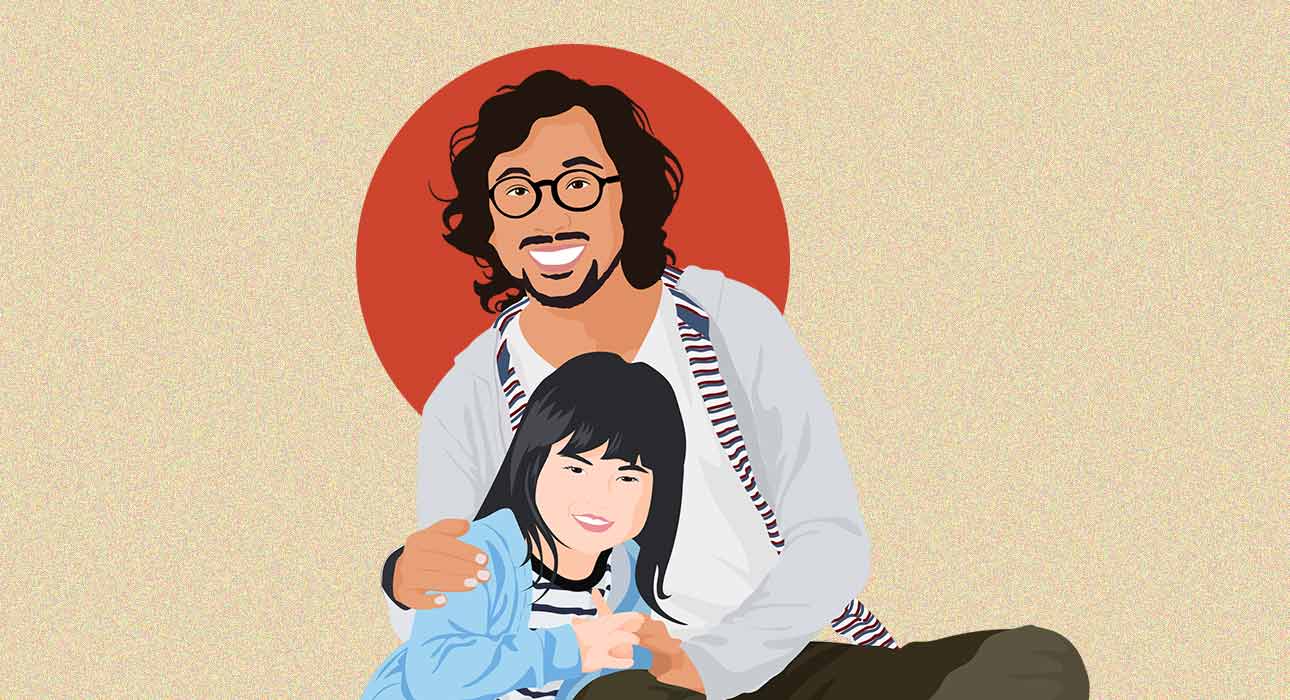
Over the years, Fathers have evolved. Rather than just providing money for their families, fathers are now taking on more of an active role in raising their kids. Fathers also have a different outlook related to the manner in which they raise their children and how they parent in today’s world compared to how they parented just a few generations ago. Because of all of the changes occurring in society and the world, today’s fathers (Gen Z fathers – born between 1994 – 2011) will likely see themselves and their roles as parents differently than previous generations based upon globalisation, technology, new gender roles and how the need for emotional care is critical to both themselves and their children.
Redefining Fatherhood: The Rise of Emotionally Involved Fathers
The changing role of fathers in India is an excellent illustration of this trend, as many fathers now play an active role in raising their children. One example includes a 28-year-old father from Gurgaon who works in IT and takes advantage of the hybrid work option to enable him to take care of his toddler’s routines on a daily basis. Rather than leave all of the caregiving responsibilities to his wife or extended family members. He participates actively in feeding, storytelling, and even going to his child’s Pediatrician appointment. On his social networks, he shares little snippets of being a parent, such as when his son throws fits. He has to calm him down, or when he is praising how far his son has come in life, to normalise the fact that fathers are involved with their children as a whole.
The historical view of fatherhood has been based on a model that has rigid gender boundaries. Where the male is seen as the provider and the female is seen as the caregiver. However, Gender Role Theory has challenged this view in various ways. This states that these boundaries are constructs that can change over time (Eagly, 1987). In today’s society, there is much more questioning and redefinition of these constructs, and Gen Z fathers are paving the way for fatherhood to change to be more accepting of emotional involvement, shared parenting and more flexible definitions of what it means to be a father.
Read More: Preparing For Fatherhood: 12 Tips to be a better Father
From Provider to Caregiver: Expanding the Paternal Role
At one time, there was a generally accepted belief that being a father meant providing for your family financially. Coolness between a parent and child was seen as normal. Fathers were not much involved in the caregiving that went on every day. This idea of being a “breadwinner” placed fathers on the outside edges of their children’s emotional lives (Lamb, 2010; Sarkadi et al., 2008; Allen & Daly, 2007).
Fathers in Generation Z are more often taking the research into account and changing their roles as dads to reflect that. Therefore, the expectations for fathers are also redefining the notion of the father’s role. Today’s fathers actively feed, bathe, and nurture their children. For example, many young fathers today drop their children off at school (not just their mothers) and attend parent-teacher conferences with their children as well as go through the daily routines of caring for them; these are all changes from prior to this generation.
A real-life example can be seen in dual-income households where both partners work full-time. A Gen Z father employed in a corporate setting may adjust his schedule, negotiate flexible hours, or opt for remote work to share childcare duties more equitably. In some cases, fathers even take primary responsibility during certain parts of the day, such as morning routines or bedtime care. This reflects a broader departure from the “provider-only” model and aligns with the concept of “involved fathering” (Pleck, 2010). This emphasises accessibility, engagement, and responsibility. Additionally, increased paternal participation has been linked to stronger father–child attachment bonds and improved family functioning (Cabrera et al., 2014; Lamb, 2010).
Emotional Involvement as a Marker of Modern Masculinity
Contemporary fatherhood has undergone a remarkable transformation in the area of emotion. In past generations, the masculine identity was often defined by an emphasis on strength through stoicism, emotional restraint and control, and in some cases, dominance. These characteristics are now beginning to be re-evaluated as potentially unhealthy and harmful to both human beings (Connell & Messerschmidt, 2005).
Fatherhood in Generation X and Y is helping to change the way masculinity is perceived. Today’s fathers are taking importance off the physical attributes of masculinity and making the emotional attributes equally valued.
As an illustration, a present-day dad communicates his feelings directly with his child and promotes feelings, as well as helps their child to grow psychologically through their participation in the child’s development. In addition, social media has aided in the establishment of these actions as normal. Fathers are posting how they care for their children emotionally and what they are experiencing as they raise their children. These experiences are changing how society views masculine behaviour.
The Role of Socialisation and Gender Role Theory
The Gender Role Theory supports the understanding of how Fatherhood has changed. The results of this theory indicate that people develop their gender experiences through socialising via family, media, and cultures (Eagly, 1987). If these sources change, then the behaviours that are masculine and related to Fatherhood change, too.
Compared to their predecessors, society has raised the Gen Z generation in a more equal-opportunity environment. Not only has their exposure to other arrangements of family, as well as their exposure to mothers who worked and to progressive ideas, made it easier for them to have flexible views about gender characteristics. However, Gen Z fathers are less likely to follow strictly traditional values in their parenting roles. And they’re more likely to participate in parenting together.
Breaking Intergenerational Patterns
A major component of the evolving role of parenthood today is an increasing focus on breaking multi-generational cycles related to how children are raised. Throughout history, parenting styles have typically been handed down through families. Whereby adults either recreate or reject the behaviours they were exposed to in their own upbringing (Belsky, 1984).
Many fathers in the Gen Z generation appear to want to create a new standard regarding the value system they instil in their children, particularly regarding emotional availability. A father who had an extremely strict and not emotionally supportive father will most likely devote all of his energy toward creating a loving environment for his children by offering them warmth and communication as he raises them. This large social change demonstrates that the focus of raising a child is now more on creating emotion-filled and responsive relationships than it used to be for previous generations (Kerr et al., 2009).
As a result, the new face of fatherhood reflects not only a cultural shift. But also the personal changes that shaped fathers during their upbringing. Ultimately, it is based on what they experienced and what they hope to achieve through parenting.
Read More: The Evolution of Parenting Styles: A Deeper Look
Structural and Economic Influences on Modern Fatherhood
The evolving economic landscape and changing dynamics of work and family life have reshaped fatherhood over the years. With both parents now frequently working outside of the home, there is an increased number of fathers who have had the opportunity to be involved with their children, thanks to the emerging practice of flexible schedules and telecommuting as options for parents. The rise in women holding jobs outside of India serves as an example of the need for fathers to help their partners with household duties.
In addition, paternity leave policies are becoming widely accepted as valid forms of family leave, even though some sectors still find them out of date. Studies show that parental involvement continues, following paternity leave, for fathers who used paternity leave (Huerta et al., 2013). These changes to both family structures and workplace structures help promote engaged fatherhood.
Cultural Representation and Media Influence
The portrayal of fathers in the media influences people’s beliefs regarding how fathers should behave and think. Recently, there have been many advertisements, films and online representations showing fathers who show affection throughout. They have led people to understand that fathers should demonstrate or convey feelings regarding parenting. Such as providing care for their children. In addition, the media has also provided people with a definition of what fathers are and can be, as well as how they may show their love and care for their children, just as these fathers do in the media (Connell & Messerschmidt, 2005).
Father’s cooking, caring for their children or showing affection in ads have increasingly been an accepted representation in India. This type of advertisement both demonstrates changed social norms as well as becomes the new normal for fathering through the acceptance of those atypical behaviours within our society. The role of social media as a medium to amplify these messages is an additional avenue for men to share their experiences and build community with one another (Eagly, 1987).
Read More: Being A Single Mother Is Tough, But What About Single Fathers?
Challenges and Ongoing Tensions
Despite the substantial progress society has made toward evolving modern fatherhood. There is still a great deal of struggle. For example, many societies continue to adhere to traditional ideals of masculinity, which can create conflict in traditional paternal roles. Additionally, active parenting sometimes comes with an enormous amount of stress associated with having to manage professional work life responsibilities with that of being very involved in their children’s lives, particularly in situations where institutional support is very limited outside of just the workplace (Levant & Richmond, 2007).
Another consideration related to accessibility is that fathers lack access to the resources (the ability to choose their own hours/work schedules) and family support systems that allow fathers to have equal opportunities as all other fathers to engage in their children’s lives (Coltrane, 2000). Therefore, although involved fatherhood is an increasing trend, it does not appear to be universal.
Conclusion: Toward a More Inclusive Model of Fatherhood
Fatherhood has changed from what fathers were when their children were growing up. Fathers are much more involved emotionally, much more engaged with taking care of children, as well as being responsible for parenting (Pleck, 2010; Lamb, 2010). He includes the redefining of the masculine role. Fathers in today’s society are reshaping the norms that previous generations and cultures established. Many, if not all, involved fathers take on this challenge by:
- Taking responsibility for their children by participating in the caregiving role
- Confronting the stereotypes about being a parent and caregiver
- Changing the parents’ intergenerational behaviour that has harmed families by providing children with positive experiences.
Gender Role Theory and Social Learning Theory can also explain this shift in fatherhood. This highlights how social roles change over time based on factors like cultural and structural aspects. Although fatherhood will face many challenges. There is no doubt that a considerable and positive shift is developing towards a more involved, caring, nurturing, and multidimensional style of fatherhood. This is reshaping the impact of fatherhood on the family and the larger community by changing how society defines a “man” today (Lamb, 2010).
Question Explained by Experts
Question: How does social media influence modern fatherhood?
According to Clinical Psychologist Madhurima Dey Sarkar, Modern fatherhood is gradually moving away from the traditional image of fathers as emotionally distant providers. With the rise of social media and greater technological exposure, fathers are increasingly encouraged to express vulnerability, emotional warmth, and active involvement in parenting. Online parenting content often highlights fathers as nurturers who participate more closely in childcare and emotional bonding.
This shift is also redefining masculinity within families. However, social media can sometimes create unrealistic expectations of “perfect parenting,” leading to guilt, pressure, and feelings of inadequacy among fathers. Thus, social media is shaping not only parenting style, but also modern ideas of manhood and caregiving.
References +
Allen, S., & Daly, K. (2007). The effects of father involvement: An updated research summary of the evidence. Centre for Families, Work & Well-Being, University of Guelph.
Bandura, A. (1977). Social learning theory. Prentice Hall.
Belsky, J. (1984). The determinants of parenting: A process model. Child Development, 55(1), 83–96.
Cabrera, N. J., Fitzgerald, H. E., Bradley, R. H., & Roggman, L. (2014). The ecology of father–child relationships: An expanded model. Journal of Family Theory & Review, 6(4), 336–354.
Coltrane, S. (2000). Research on household labour: Modelling and measuring the social embeddedness of routine family work. Journal of Marriage and Family, 62(4), 1208–1233.
Connell, R. W., & Messerschmidt, J. W. (2005). Hegemonic masculinity: Rethinking the concept. Gender & Society, 19(6), 829–859.
Eagly, A. H. (1987). Sex differences in social behaviour: A social-role interpretation. Erlbaum.
Huerta, M. C., Adema, W., Baxter, J., Han, W. J., Lausten, M., Lee, R., & Waldfogel, J. (2013). Fathers’ leave, fathers’ involvement and child development. OECD Social, Employment and Migration Working Papers, 140.
Kerr, D. C., Capaldi, D. M., Pears, K. C., & Owen, L. D. (2009). A prospective three-generational study of fathers’ constructive parenting. Journal of Family Psychology, 23(6), 870–879.
Lamb, M. E. (2010). The role of the father in child development (5th ed.). Wiley.
Levant, R. F., & Richmond, K. (2007). A review of research on masculinity ideologies using the Male Role Norms Inventory. Journal of Men’s Studies, 15(2), 130–146.
Pleck, J. H. (2010). Paternal involvement: Revised conceptualisation and theoretical linkages with child outcomes. In M. E. Lamb (Ed.), The role of the father in child development (5th ed., pp. 58–93). Wiley.
Sarkadi, A., Kristiansson, R., Oberklaid, F., & Bremberg, S. (2008). Fathers’ involvement and children’s developmental outcomes: A systematic review. Acta Paediatrica, 97(2), 153–158.





Leave feedback about this