







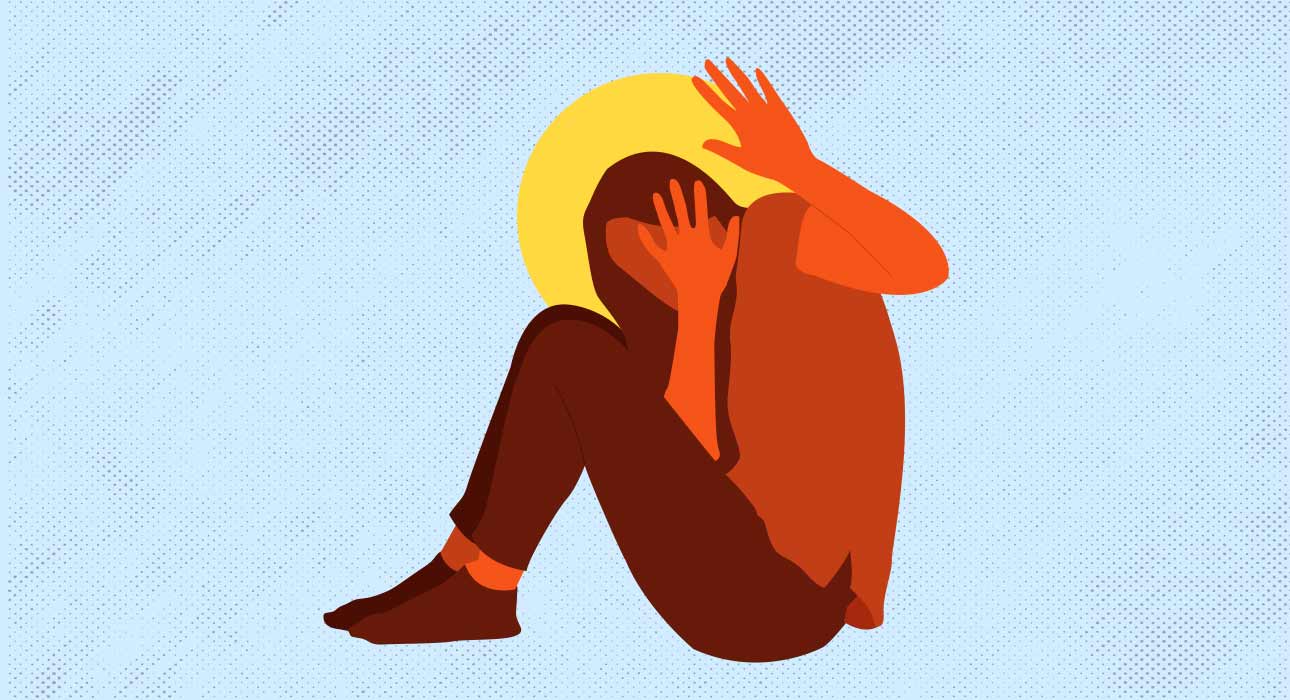
Imagine a seemingly happily married couple who attend social gatherings and join family functions together. On their social media accounts, there are picture after picture and post after post of them being happy and enjoying each other’s company. From the outside, people may think they are living the perfect dreamy life and are in a happy relationship. However, the reality is completely different when this couple is not in public, as one spouse controls his/her partner’s finances and monitors their phone calls, will verbally attack and degrade the other constantly and may become physically aggressive while out in public. No one outside of the home understands that there is a problem at all. Tragically, this scenario is lived by millions of people all over the world. Here lies the real question- “What actually counts as domestic violence?’’
Violence in an intimate relationship is considered one of the most debated social and public health issues internationally nowadays. Traditionally associated with physical assault, the concept of domestic violence has expanded to include emotional, psychological, sexual, and economic abuse. Violence in an intimate relationship causes damage; however, there are significant controversies with stereotypes based on gender, under-reporting of statistics on violence, legal definitions, cultural influences and societal responses (WHO, 2021).
Learning about these different arguments related to domestic violence in an intimate relationship is important to understand, as it is something that occurs globally in every race, class, age, culture, etc. Through analysis of intimate partner violence, we as society will gain insight beyond superficial assumptions of the problem at hand and a better idea of how to combat the situation.
Understanding Domestic Violence beyond the Physical Abuses
Domestic Violence or Intimate Partner Violence (IPV) are defined as intentional acts directed towards a partner. The intention behind these behaviours is always to seek power and control over the other individual. The WHO (2021) states that IPV includes physical assault, sexual coercion (making someone do something against their will by using force, threats, or aggressive pressure), verbal abuse, and controlling behaviours.
For the most part, people think of physical damage, such as bruises or injuries, when they hear the term “domestic violence,” but research shows that a person can be abused without leaving any lasting marks (Stark, 2007). Here are some emotional and psychological abuse examples mentioned below:
- Constant verbal criticism and humiliation
- Threats or intimidation
- Restriction of friendships and family relationships
- Financial restriction or control of funds
- Monitoring phone calls, text messages, and travels
- Manipulative behaviour and coercive control.
Research indicates that there can be numerous negative effects caused by emotional and psychological abuse. They include increased anxiety, depression, lowered self-worth, and post-traumatic symptoms (American Psychiatric Association, 2022). Victims may not be able to recognise such abuse as they do not experience any visible harm to themselves.
The broadened perspective of non-physical forms of abuse enlightened people to understand the concept of domestic violence clearly, but has also introduced many controversial debates about the definition, measurement and how it can be addressed legally.
Read More: The Role of Domestic Violence Counselling in Healing and Recovery
The Gender Stereotypes that Fuel the Debate over Victimhood
One of the most argumentative issues within the idea of domestic violence revolves around gender. Traditionally, the focus of research and intervention has been on victims of violence in intimate relationships being women, due to the available data which shows that women are at higher risk for suffering severe physical injury, sexual assault and coercion by their male partners (WHO, 2021).
On the other hand, other scholars feel that men also fall under the ‘victim’ category of domestic violence, but their experiences are too often overshadowed by social expectations related to ‘being a man’. Men reporting abuse (especially psychological) may feel ashamed, ridiculed or disbelieved, and may fear their social status will fall if they disclose (Straus, 2011). Some stereotypes related to victims based on their genders include.
Read More: Debunking the Alpha Myth: Gender Stereotypes and the Psychology of Power
Gender stereotypes concerning female victims
- Women are always physically weaker than men,
- People often label female victims as ‘weak’ because they are unable to leave an abusive relationship.
- Women only experience abuse in unstable socio-economic homes
Gender stereotypes concerning male victims
- Men cannot experience the victimhood of domestic violence
- People consider reporting violence to be a sign of being a ‘weak’ man
- Men can always defend themselves physically
These stereotypes often hinder both individuals alike and restrict them from seeking help. It has also been discovered that domestic violence happens in homosexual (i.e., gay, lesbian) relationships just as often as in heterosexual relationships because violence in relationships ultimately involves control and power, not gender (Messinger, 2017). The challenge is to recognise the statistical trend of violence against women without denying the existence of female abusers and male victims.
The Invisible Truth: Unreported Incidents of Abuse
Despite all the new knowledge that has been gained about domestic violence, it remains the most unreported crime worldwide. Victims never report a large percentage of incidents to law enforcement agencies, health professionals, or social service providers (United Nations Women, 2023). The underreporting of domestic violence can be attributed to many different factors:
- The fear of the abusive partner’s retaliation
- Financial dependence
- Worry about the safety and security of the children and the home as a whole
- Social shame or humiliation that results from family issues becoming public knowledge
- Lack of faith in judicial institutions
- Societal and cultural emphasis on privacy within the family
These are the factors that lead to silent sufferings within intimate relationships for many years, either because of the hope that their circumstances will improve or merely due to their feeling of futility. While the reporting statistics can seem rather low, these numbers often don’t paint the full picture, as many crimes go unreported due to a lack of public openness. Research suggests that underreporting of such cases can distort public understanding of the prevalence and nature of domestic violence (Walby et al., 2017). The underreporting behaviors allows to understand the importance of creating supportive environments where victims feel safe seeking assistance without fear of judgment or retaliation.
The Silent Scar: Emotional Abuse
People perhaps recognise emotional abuse the least, yet discuss it as the most prominent form of domestic violence. While physical abuse often has outward signs, emotional abuse offers no visible indications that it has occurred. Some examples of actions considered emotional abuse:
- Constant insults and humiliating remarks
- Manipulative gaslighting
- Extreme displays of possessiveness and jealousy
- Threats of suicide or self-harm as emotional manipulation
- Constant criticism and blame
Studies have confirmed that the impact of emotional abuse can be just as psychologically debilitating as that of physical abuse, and can lead to numerous disorders, including depression, anxiety, post-traumatic stress and diminished self-esteem (Dutton & Goodman, 2005). The main goal is to differentiate abuse from unhealthy relationship behaviours. Critics argue that broad aspects of explanation may risk labelling simple relationship conflicts as abuse.
This argument intends to shed light on the societal aspects to understand the forms of psychological abuse as a legitimate concern. As awareness grows, mental health professionals increasingly advocate for its greater recognition within both legal and clinical settings.
The Justice System and Domestic Violence
The legal system plays an important role in addressing domestic violence, but continues to have many obstacles to overcome. The laws differ throughout the countries, depending on what definitions and standards fit with that country’s judicial system. Some controversial issues include:
- Evidence Collection: Physical injuries are more obvious to report than those involving emotional abuse and control of coercion in a relationship in legal proceedings (Stark, 2007).
- False Allegations and Due Process Concerns: Research shows that intentional false reporting is less common, but it leads to wrongful accusations influencing public debate and legal procedures (Lisak et al., 2010).
- Protection vs. Privacy: The government is expected to protect the victims in the country while maintaining certain individual rights and family privacy issues. This balance can sometimes hamper the intervention strategies.
- Access to Justice: Victims of domestic violence may face challenges with their court dates and other proceedings, which may discourage the parties from participating and engaging in legal procedures.
The justice system continues to be reformed as governments learn to do what is necessary to assist those who are suffering from domestic violence.
Intimate Partner Violence in Societal & Cultural Perspective
Cultural beliefs have a significant effect on the way the topic of domestic violence is perceived and the willingness of victims to disclose the abuse they are experiencing. Traditional values, gender roles, the family hierarchy, and social status influence attitudes about abuse (Heise, 2011).
There are traditional belief systems that encourage people to stay quiet and tolerate abuse to keep the family together or maintain a social reputation. Cultural views may consider domestic violence as acceptable behaviour in relationships. This can lead to weaken individual’s interest in seeking external help. Cultural beliefs can impact factors such as:
- Willingness to report abuse
- Bias towards gender equality
- Social responses from the community
- Definition of ‘acceptable’ behaviour
Simultaneously, culture is not a natural supporter of violence. Many families try to foster respect, care, and non-violence between relationships. The difficulty lies in differentiating families that excuse abusive behaviours as cultural beliefs. Global awareness campaigns and educational initiatives emphasise that cultural sensitivity and victim protection should work together rather than compete with each other (United Nations Women, 2023).
Moving Toward A More Inclusive Understanding:
The debate over domestic violence happens at so many levels, making it a complex topic. People in society can understand the issue of intimate partner violence from psychological, legal, gender, cultural, and public policy views; there is no simple answer. A more complete perspective accepts the following ideas:
- Abuse can occur to anyone irrespective of their gender, not limited only to females
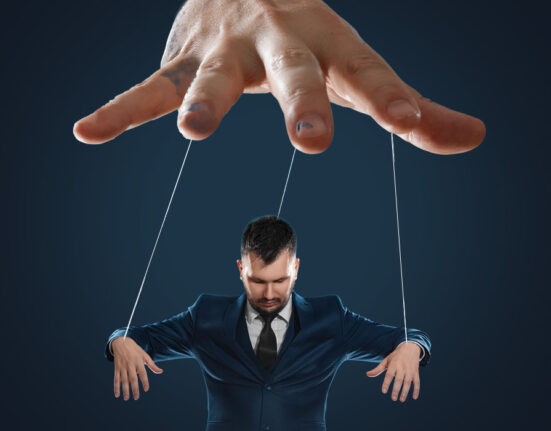
- It includes other types of abuse besides physical violence, such as emotional or psychological abuse, financial or economic abuse, and coercive control.
- Cultural views play an important role in understanding the reliability of reported data
- Legally, decision-makers must acknowledge protective services to balance the victim’s safety and fairness.
Everyone has a crucial role to play in this matter, including therapists, educators, law enforcement officials, doctors and nurses, public policy advocates, community leaders and service providers. Education and rising public awareness can challenge the traditional gender stereotypes that are detrimental in combating domestic violence and encouraging healthy relationship behaviour.
Conclusion
Intimate partner violence continues to be a debatable issue because it represents more than simply an act of physical aggression. The varying beliefs surrounding gender roles, emotional abuse, under-reporting of cases, legal policy, and cultural practices make the topic difficult to address on one simple level.
Everyone agrees that it is an issue, but perspectives differ regarding who gets victimised, how it is victimisation, and how to help victims, as well as survivors of the abuse they endured. Making intimate partner relationships feel safe is the overall goal, and engaging in moving beyond the assumption and acknowledging the victim’s realities.
Increased awareness, legal remedies, culturally sensitive programs, and services help victims and make society a more protected environment. The final aim is not only helping someone through violence, but also helping to establish loving relationships based on dignity, trust, equality, and respect. So, here everyone needs to understand that “A healthy relationship is not defined by power over another partner but by the respect for each other’s humanity.”
Reference +
- Dutton, M. A., & Goodman, L. A. (2005). Coercion in intimate partner violence: Toward a new conceptualisation. Sex Roles, 52(11–12), 743–756.
- Stark, E. (2007). Coercive control: How men entrap women in personal life. Oxford University Press.
- Lisak, D., Gardinier, L., Nicksa, S. C., & Cote, A. M. (2010). False allegations of sexual assault: An analysis of ten years of reported cases. Violence Against Women, 16(12), 1318– 1334.
- Heise, L. L. (2011). What works to prevent partner violence? An evidence overview. London School of Hygiene & Tropical Medicine.
- Straus, M. A. (2011). Gender symmetry and mutuality in perpetration of clinical-level partner violence. Violence and Victims, 26(6), 789–805.
- Messinger, A. M. (2017). LGBTQ intimate partner violence: Lessons for policy, practice, and research. University of California Press.
- Walby, S., Towers, J., & Francis, B. (2017). Is violent crime increasing or decreasing? A new methodology to measure repeat attacks. British Journal of Criminology, 57(5), 1203– 1234.
- World Health Organisation. (2021). Violence against women prevalence estimates, 2018. World Health Organisation.
- American Psychiatric Association. (2022). Diagnostic and statistical manual of mental disorders (5th ed., text rev.). American Psychiatric Publishing.
- United Nations Women. (2023). Facts and figures: Ending violence against women. UN Women.




Leave feedback about this