







Description
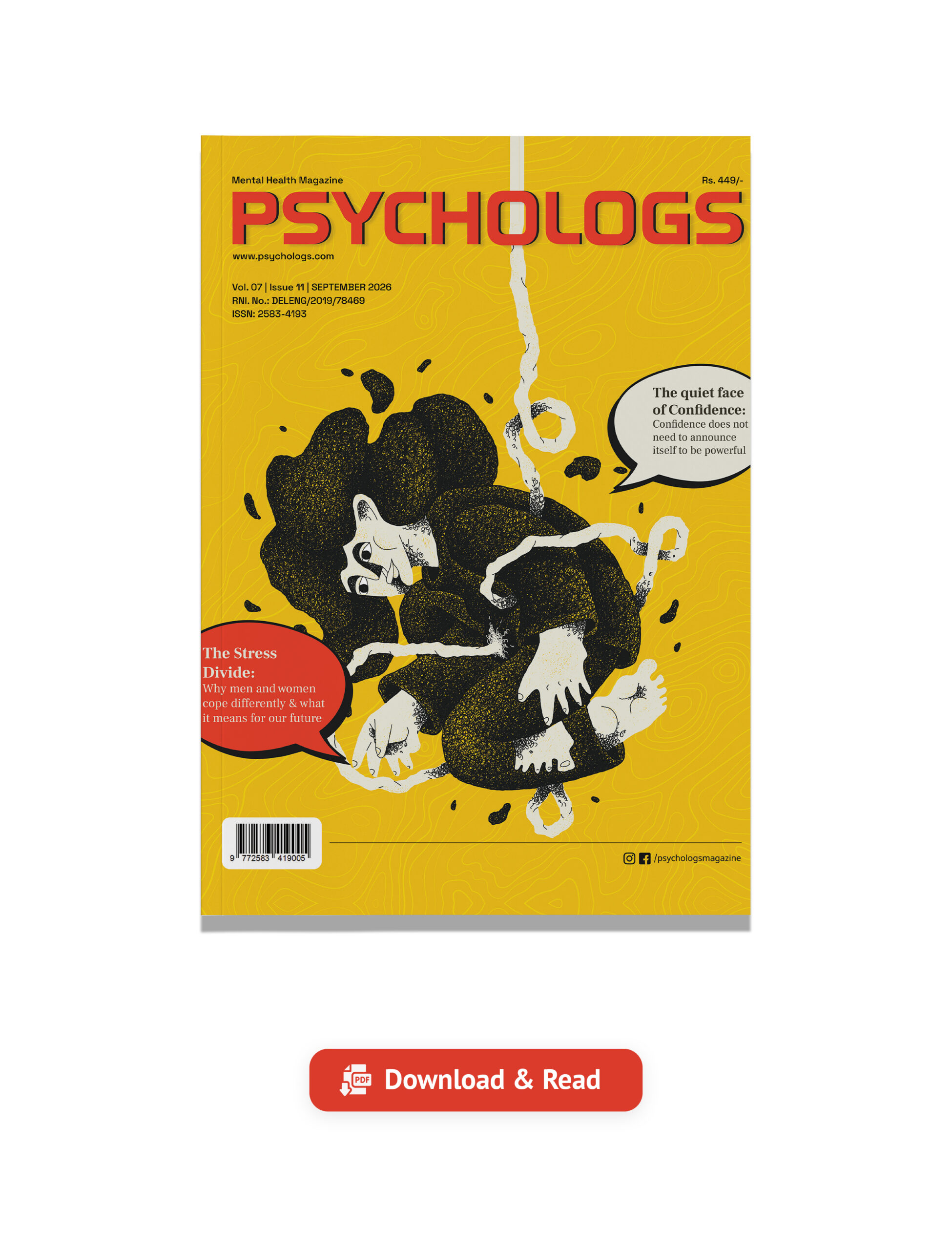
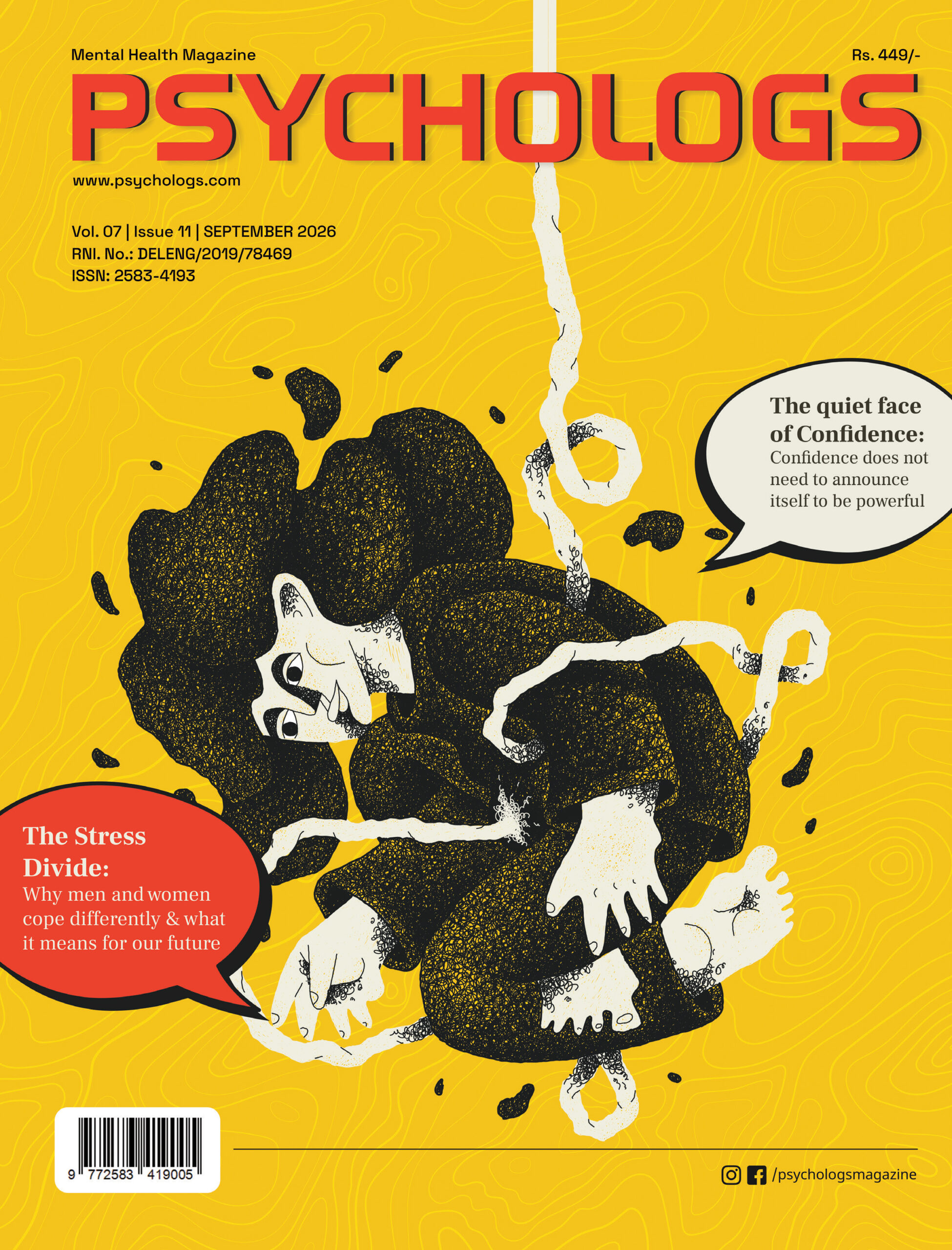
Psychologs Magazine – Vol. 07 | Issue 11 | SEPTEMBER 2026
The September 2026 issue of Psychologs Magazine takes a closer look at the psychological experiences that shape our everyday lives—from the pressure to constantly achieve and the struggle with burnout to the quiet strength of confidence, the importance of self-care, and the changing ways we understand relationships and social expectations.
In a world that often celebrates productivity, comparison, and achievement, it can be easy to overlook the quieter aspects of psychological well-being. This edition encourages readers to pause and reflect on what it truly means to live a healthy and meaningful life. Through perspectives on mental health, physical well-being, relationships, nutrition, culture, gender, and popular storytelling, the issue brings psychology closer to everyday experiences.
Mental Health, Burnout, and the Pressure to Achieve
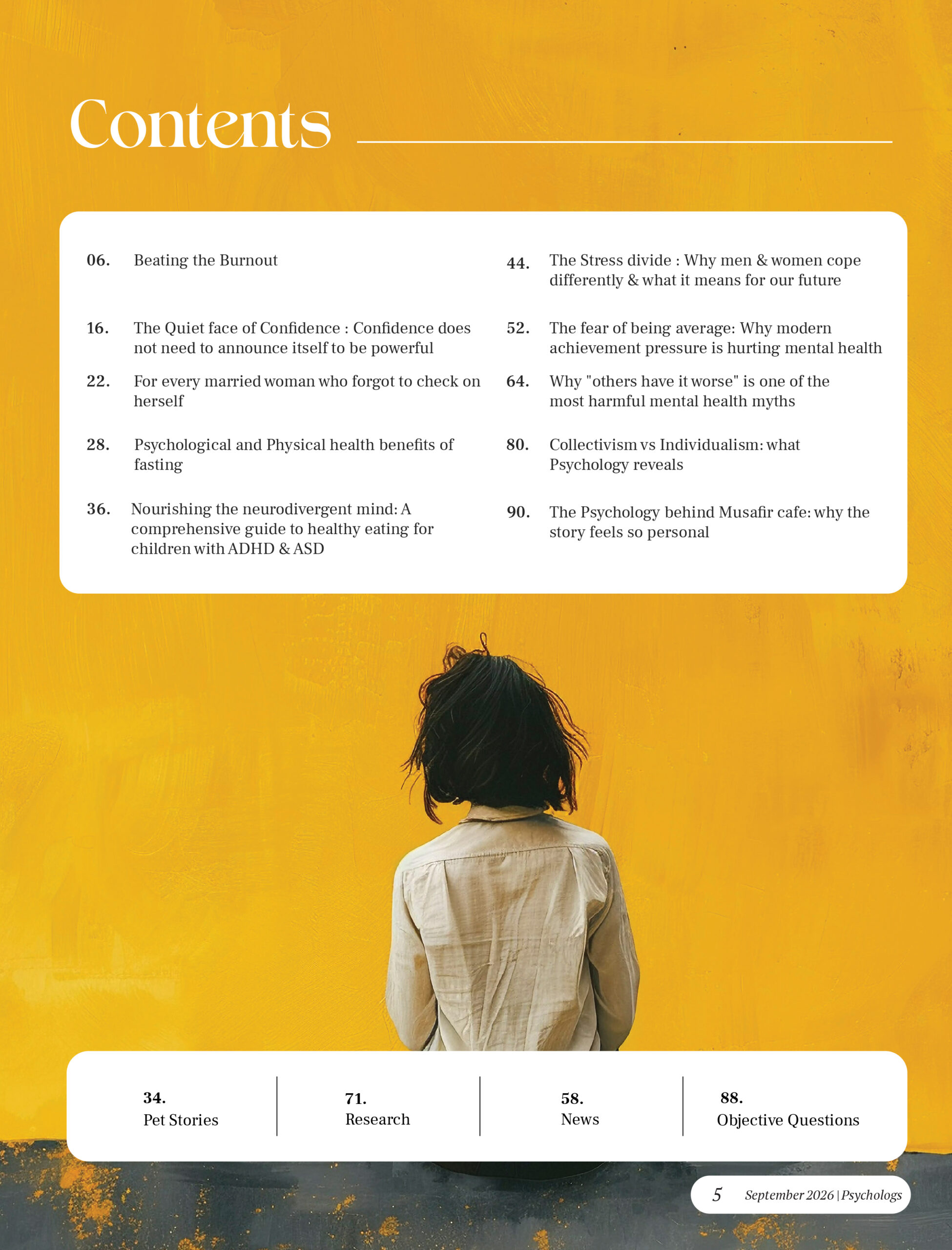
The demands of modern life can leave people feeling constantly exhausted, even when they appear to be functioning normally. “Beating the Burnout” explores the emotional and psychological consequences of prolonged stress and the importance of recognising when productivity begins to come at the cost of well-being.
The issue also examines “The Fear of Being Average: Why Modern Achievement Pressure Is Hurting Mental Health.” In an environment where success is frequently measured through grades, careers, income, social status, and online visibility, the fear of falling behind can become overwhelming. The article explores how comparison and unrealistic expectations can influence self-worth and mental health.
At the same time, “Why ‘Others Have It Worse’ Is One of the Most Harmful Mental Health Myths” challenges a common way of dismissing emotional pain. Someone else’s suffering does not make our own struggles insignificant. Understanding this can help create a healthier relationship with emotions and encourage people to seek support without guilt or comparison.
Confidence, Self-Worth, and the Importance of Looking Within
Confidence is often portrayed as being outspoken, dominant, or constantly visible. But genuine confidence can take a much quieter form. “The Quiet Face of Confidence: Confidence Does Not Need to Announce Itself to Be Powerful” explores the difference between seeking validation and developing a secure sense of self. It reminds readers that confidence can exist without constant recognition from others.
The edition also turns its attention towards women and the emotional responsibilities that can accompany marriage and family life. “For Every Married Woman Who Forgot to Check on Herself” highlights the importance of self-awareness and self-care. Caring for a partner, children, family, or household should not require a person to completely neglect their own emotional needs.
Together, these perspectives invite readers to reconsider an important question: How often do we check in with ourselves while trying to meet everyone else’s expectations?
The Mind-Body Connection: Fasting and Nutrition
Psychological well-being cannot be separated completely from physical health. “Psychological and Physical Health Benefits of Fasting” explores the relationship between fasting, physical well-being, emotional experiences, and psychological health. Rather than treating fasting as a one-size-fits-all practice, the article encourages readers to understand its potential benefits while recognising the importance of individual health needs and informed choices.
Nutrition also becomes particularly important when discussing neurodevelopmental conditions. “Nourishing the Neurodivergent Mind: A Comprehensive Guide to Healthy Eating for Children with ADHD & ASD” looks at the role of nutrition in supporting children with neurodevelopmental differences. The article takes a holistic approach, emphasising that healthy eating should be understood alongside individual needs, professional guidance, family support, and the child’s overall well-being.
Gender, Stress, and Changing Ways of Coping
Stress affects everyone, but people do not necessarily experience or respond to it in the same way. “The Stress Divide: Why Men & Women Cope Differently & What It Means for Our Future” examines the psychological, social, and cultural factors that may influence coping patterns across genders.
The article moves beyond simple stereotypes to explore how expectations around masculinity, femininity, emotional expression, social roles, and help-seeking can influence the ways people respond to pressure. Understanding these differences can help create more inclusive approaches to mental health and encourage healthier forms of emotional expression.
Culture and the Psychology of How We See Ourselves
Our understanding of the self does not develop in isolation. Family, society, culture, traditions, and community values all contribute to the way we define success, relationships, responsibility, and personal identity.
“Collectivism vs Individualism: What Psychology Reveals” explores how these two broad cultural orientations can influence personality, decision-making, relationships, independence, and social responsibility. Rather than viewing one approach as universally better than the other, the article encourages readers to understand how cultural context shapes psychological experiences.
This perspective is particularly meaningful in a diverse society such as India, where individual aspirations and collective responsibilities often exist side by side.
When Stories Feel Personal: Psychology Behind Musafir Cafe
Psychology is not limited to textbooks, research papers, or clinical settings. It can also help us understand why certain stories remain with us long after we experience them.
“The Psychology Behind Musafir Cafe: Why the Story Feels So Personal” explores the emotional and psychological elements that can make a fictional or cinematic narrative feel deeply relatable. Themes such as belonging, relationships, memory, identity, longing, and emotional connection can activate experiences that audiences recognise from their own lives.
The article demonstrates how storytelling can become a psychological mirror—allowing us to see parts of ourselves, our relationships, and our emotions through the experiences of others.
Psychology for Everyday Life
Taken together, the articles in this issue explore a common theme: well-being is not simply about avoiding mental illness; it is also about understanding ourselves, recognising our needs, building healthier relationships, and finding sustainable ways to navigate everyday life.
From burnout to confidence, from self-care to nutrition, from gender and stress to cultural identity, psychology provides a language through which ordinary experiences can be understood more deeply.
This September, Psychologs invites readers to slow down and ask themselves some important questions:
Am I taking care of myself while taking care of others?
Am I measuring my worth only through achievement?
Do I allow myself to acknowledge my struggles without comparing them with someone else’s?
What does confidence mean to me?
How do my culture and relationships shape the person I am becoming?
Understanding the mind begins with paying attention to these everyday questions.
🧠✨ This September, explore the psychology behind burnout, confidence, self-care, nutrition, stress, achievement pressure, culture, and the stories that touch us personally. Discover perspectives that encourage greater self-awareness, healthier choices, and a deeper understanding of what it means to be human.


Leave feedback about this