






Disclaimer: The following article may contain words and themes that are emotionally sensitive. This material is for awareness purposes only.
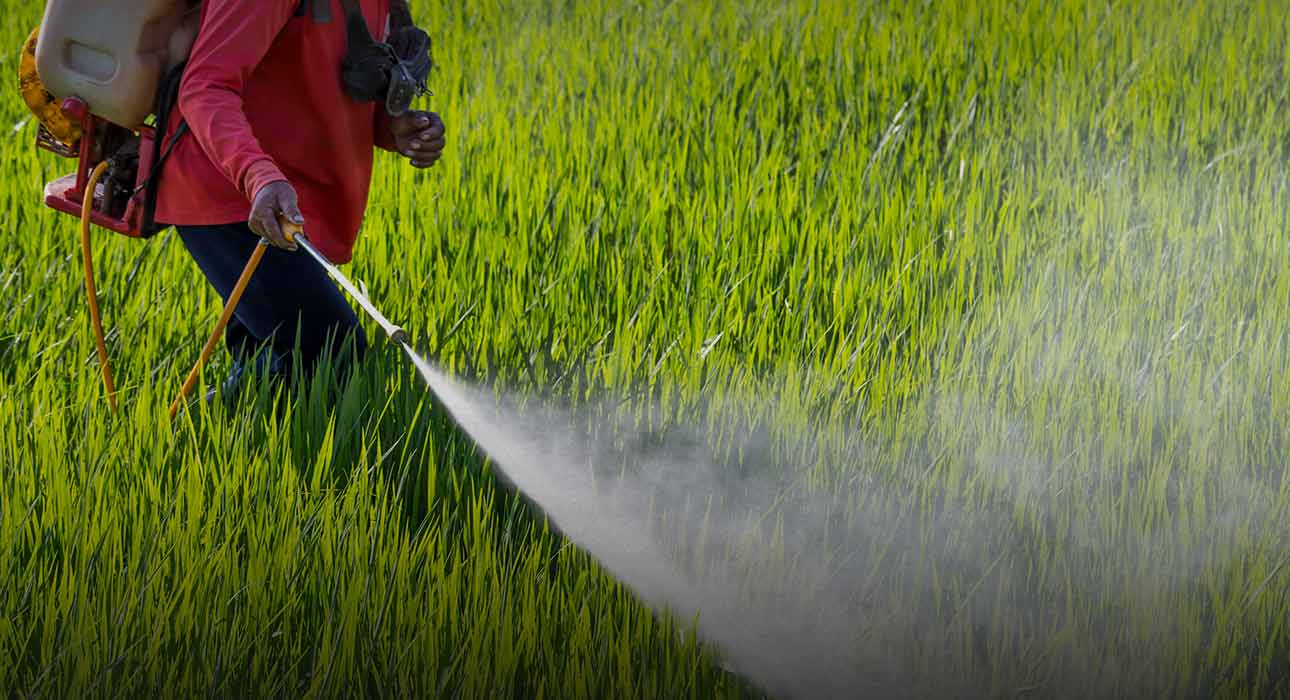
In September 2026, India banned a deadly agricultural chemical that has been linked to causing suicidal tendencies, Parkinson’s disease and is a safety risk for farmers. This makes India one among 70 countries that have decided to pull the plug on Paraquat. Based on international evidence from countries like Sri Lanka and Korea, bans on paraquat and other deadly chemicals have greatly reduced pesticide-related suicides without impacting agricultural productivity.
Prior to the nationwide ban, Telangana, Andhra Pradesh, Odisha and Kerala had banned sale and use of paraquat after alarming rise in self-harm deaths, according to The Hindu. Reports show that long-term exposure to hazardous pesticides can negatively affect brain health and raise neurological risks among agricultural workers while causing neurodevelopmental disorders in children. Highly lethal chemicals like paraquat can trigger extreme and impulsive thoughts in someone struggling with suicide or depression. Restricting such deadly chemicals helps to increase intervention by allowing the suicidal thoughts to pass without triggers.
The Deadly Side Of Pesticides
Studies have reported that a vast number of agriculture-related suicides are because of pesticides with an estimated 15-20% of global suicides due to ingestion of harmful and toxic chemicals. Pesticide poisoning can also have long-term and critical affects on human health. Children are also very vulnerable to pesticide poisoning. There have reportedly been 385 million cases of unintentional pesticide poisoning globally of which 11,000 have ended in death according to a World Health Organization (WHO) report.
What are Highly Hazardous Pesticides (HHPs)?
HHPs are extremely toxic pesticides that harm human health as well as the environment with irreversible damage like causing cancer, developmental disorders and death. While such pesticides have been banned in high-income countries, they are used in lower and middle income countries because of their low costs and easy access. HHPs like Paraquat are so fatal that they carry no cure and can also affect the liver, lungs, kidneys, cardiovascular system and gastrointestinal tract. It is also readily available in smaller countries which is why it is used as a common tool in agricultural-suicides.
Can Banning HHPs Help In Suicide Prevention?
Reports have shown that banning HHPs limits access to such deadly chemicals which in turn can leave time for intervention. It also allows the individual time to reflect on their actions instead of acting on impulse which is often a probability. Banning HHPs also results in preventing other harmful illness and diseases which can be caused by unintentional direct contact including in cases where such chemicals are stored in homes. Studies from Sri Lanka and Korea showed a significant decrease in agriculture-related suicides after banning paraquat and other HHPs.
Read More: Inside India’s Suicide Crisis: Why Metro Cities Are Becoming Hubs of Despair
Conclusion
Banning pesticides helps lower the risk of suicide by ingestion but this requires a multi-sectoral collaboration between relevant stakeholders including ministries of health, agriculture, customs authorities, pesticide regulators, NGOS, health experts and farmers unions. There must also be effective monitoring to ensure that pesticides like paraquat are not sourced illegally due to their appealing costs and accessible nature, despite the ban. This would require awareness, risk mitigation and thorough checks. In India where many deprived communities rely on cheap alternatives, awareness and monitoring have to unite to prevent substances like paraquat from holding power of abuse despite the ban.
References +
- The Hindu https://www.thehindu.com/news/national/telangana/the-human-cost-of-a-deadly-weed-killer-banning-of-paraqua-in-telangana/article71094620.ece
- WHO https://www.who.int/news/item/12-11-2026-bangladesh-and-india-ban-toxic-pesticide-to-boost-suicide-prevention-and-brain-health
- WHO https://cdn.who.int/media/docs/default-source/mental-health/suicide/who_2024_07_30_suicide_preventing_pesticides.pdf?sfvrsn=39f65100_2&download=true
- WHO https://iris.who.int/server/api/core/bitstreams/c627ac25-9de7-43d4-91a1-ef7acce929fe/content




Leave feedback about this