







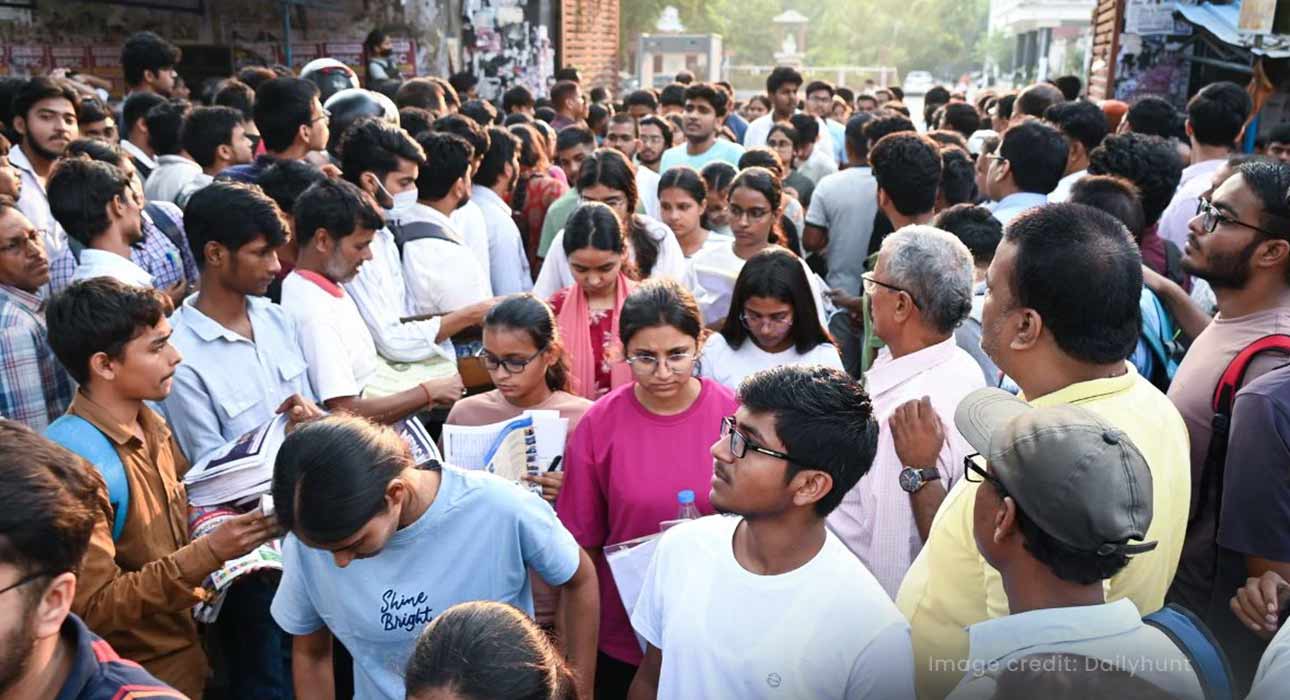
The unexpected cancellation of the NEET-UG 2026 exam, which was planned for May 3rd, has caused a major shock across the country, leading millions of medical aspirants into a state of total uncertainty. The administrative consequences, as headlines wail, are the subject of debate; the consequences of the collapse of student mental health are far more insidious and dangerous. For almost 2.5 million candidates, it is not just a postponed exam; it is a systemic problem, leaving people to wonder if their years of sacrifice were worth it.
The psychological effects of the lost future
The shock and reaction to the loss of that goalpost can cause a lot of distress for a student who has been working towards it for years. Observers are noting many extreme emotional reactions:
- Existential Vacuum: So many students feel a sense of nothingness as all of their identity was dependent on a performance that has been indefinitely delayed.
- Secondary Burnout: Students, who were at their maximum stress by May 3rd, are now required to sustain that stress level and are now completely exhausted.
- Betrayal Trauma: Students have an increasing sense of anger and “systemic betrayal” that the institutions meant to protect their futures have instead endanger it.
How to Cope with the Uncertainty of Survival Mode
With all the chaos after such a massive change, mental health experts are saying to students to focus on maintaining mental balance rather than textbooks:
- Acknowledge the Frustration: Students need to accept that their anger and disappointment are entirely appropriate emotions from an unfair circumstance.
- The Power of a “Mental Reset”: Students are not immediately restarted in a 14-hour daily study routine but are encouraged to give their nervous systems a complete break, taking a few days off.
- Attention to the Controllable: The date of the exam is beyond their control, but children can feel in control again if they concentrate on a few things they do every day, which have nothing to do with medicine or biology.
Institutional Responsibility: After the Revised Date
This crisis is a stark warning that the current high-stakes exam culture is brittle and can crack a generation’s soul with a heart of stone.
- Mandatory Counselling: Immediate and proactive psychological assistance, as opposed to academic updates, is needed at the coaching centres and schools.
- A “Safe Harbour” at Home: Families need to be a non-judgmental support system and keep a student from equating the stress of the exam cycle with their self-worth.
- Reimagining Success: This event aims to raise consciousness of the urgent need for a system that prioritises student well-being as a metric as much as it does test scores.



Leave feedback about this