







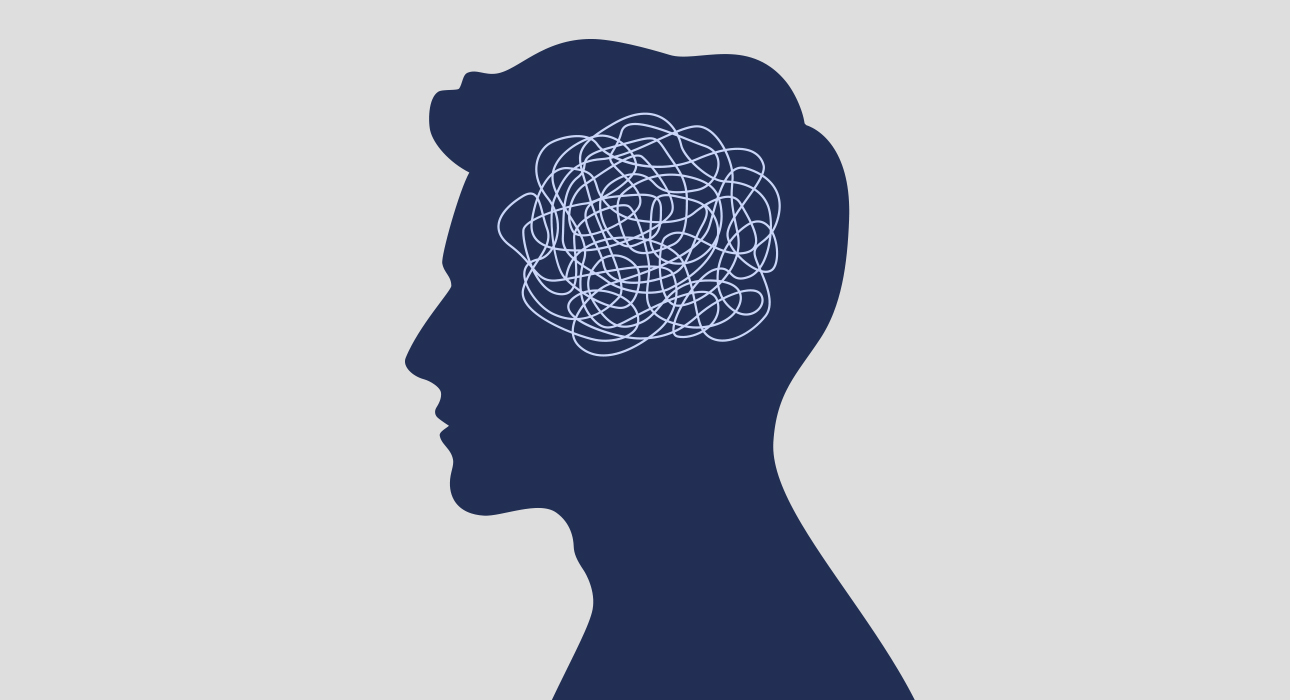
An International summit is focusing on growing mental health concerns caused by AI companions, workplace burnout, youth mental health, trauma and grief. This specifically highlights the evolving nature of mental health challenges that affect people as times change and new-age technology replaces traditional systems and lifestyles.
The Economic Survey of India 2025-26 found compulsive social media and digital app addiction among those aged 15-29 years. India has recognised digital addiction as a major social, economic, and mental health concern. As the country rushes towards embracing digital development and Artificial Intelligence, the impact on the population, particularly the younger generation, seems to be a high risk.
There is an evident rise in youth mental illness, with reports finding that suicide was the highest cause of youth deaths in India. It also draws attention to the severe shortage of mental health professionals in the country as per a growing population that is being diagnosed with mental illness. According to the World Health Organisation (WHO), 11 in 100 people suffer from a mental health disorder.
Effects of Poor Mental Health
The WHO has spoken of a strong link between mental and physical health, and people with mental health challenges have poorer health and lower life expectancy. People with depression are more at risk of cardiovascular diseases, while chronic pain and sleep disturbances are also deeply prevalent in those with mental illness.
Economic Impact in an AI Age
Poor mental health can impact an economy by affecting individuals to the point of lower productivity and slower growth. This is a vital problem at a time when AI is replacing human skill in many sectors and is more cost-effective as compared to a person. According to the Journal of Mental Health (2021, the global financial burden of mental health conditions, including healthcare and indirect costs, is expected to cross 100s of crores by 2030.
What is Burnout?
The World Health Organisation has classified burnout as a syndrome caused by unmanaged chronic workplace stress. It is also recognised as an occupational phenomenon and not a medical condition, with three main dimensions:
- Feelings of extreme exhaustion
- Increased mental distance and negativity towards one’s job
- Reduced professional capacity
Workplace Burnout in the Indian Market
A study by an Indian company this year has revealed that 13 per cent of employees fall under the high burnout category while AI is also expected to reduce personnel headcount in the next two years. The study also highlights that Gen Z’s workplace ethics are causing a generational gap in expectations and turnout. As technology raises its bar with artificial intelligence, the impact on the physical workforce in Indian markets is yet to be determined, according to NDTV.
AI Chatbot Risk For Children
As AI takes over classrooms and learning methods, the growing risk of AI chatbots on vulnerable youngsters increases manifold. The dependency goes beyond just academics or creative guidance, as reports show that many youngsters also rely on them for advice, support and friendship. Earlier this year, a 14-year-old boy in Florida committed suicide after the AI chatbot he had become obsessed with encouraged him to take his life. The boy had isolated himself and become extremely attached to the chatbot, which he designed after a Game of Thrones character.
Conclusion
While there seems to be a rampant gap in mental healthcare and awareness of growing mental health concerns, there also seems to be some positive action from governments, educational institutions and communities. The requirement is currently for stronger policy frameworks adapted to a technological age that curb the impact of artificial intelligence and changing work environments on human health.
It becomes increasingly clear that as technology takes over human homes and work, there need to be boundaries on how much access we give it over daily control. This will require better authenticated safeguards and measures to ensure holistic practices remain intact, without an artificial substitute.
References +
- NDTV https://www.ndtv.com/business-news/employees-face-high-level-burnout-gen-z-job-cuts-artificial-intelligence-12000081
- Pearson https://www.prnewswire.com/news-releases/pearsons-mental-health-virtual-summit-examines-a-changing-mental-health-landscape-302922091.html
- TNIE https://www.newindianexpress.com/india/2026/Jan/29/economic-survey-warns-of-rising-digital-addiction-among-youth-as-excessive-screen-use-takes-toll
- UNICEF https://www.unicef.org/documents/when-ai-becomes-friend-child-rights-risks
- WHO https://www.who.int/news/item/28-05-2019-burn-out-an-occupational-phenomenon-international-classification-of-diseases




Leave feedback about this