







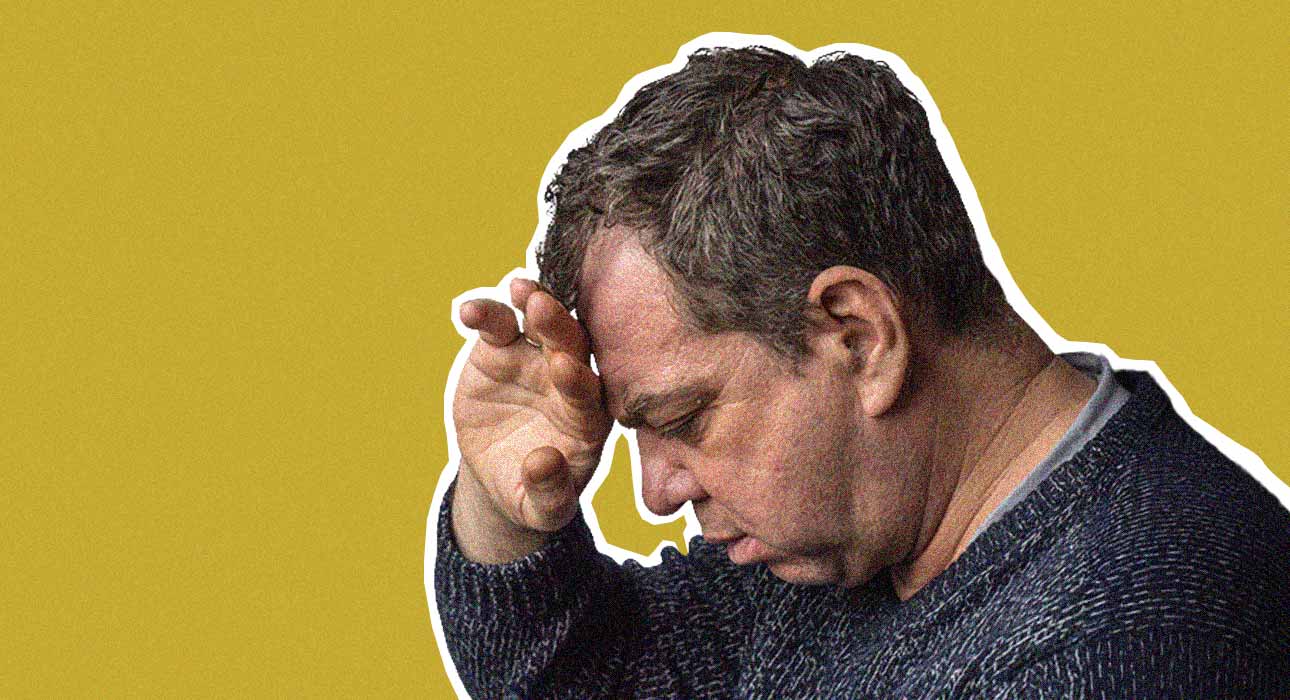
Post-Traumatic Stress Disorder (PTSD) is usually understood as a mental health condition linked to trauma, fear, and emotional distress. However, this article highlights that PTSD may also be connected to how the brain ages. People with PTSD may show signs of accelerated brain ageing, meaning their brain appears older than their actual age. This suggests that long-term stress and trauma can affect not only mental health but also brain health.
Read More: PTSD: Symptoms, Diagnosis and Treatment
What is Brain Ageing?
Brain ageing refers to the natural changes that happen in the brain as a person grows older. Over time, the brain may slowly change in its structure and how it functions. These changes can affect things like memory, learning, concentration, decision making and emotional control. This process is normal and happens to everyone.
However, some factors can speed up brain ageing. Long-term stress, trauma and ongoing emotional pressure can place extra strain on the brain. In people with PTSD, the brain may show changes that are more commonly seen in older adults, even when the person is still young. This suggests that trauma not only affects emotions but can also influence how the brain ages over time.
Read More: The impact of ageing on concentration
Research Details
The article is based on research that examined brain scans of individuals with PTSD. Scientists used brain imaging techniques to estimate “brain age” and then compared it with the person’s actual age. They found that many people with PTSD had brains that appeared older than expected. This difference was linked to long-term exposure to stress and trauma rather than age alone.
Research Analysis and Findings
The findings suggest that PTSD is not only an emotional or psychological condition but also one that affects the brain physically. Chronic stress related to trauma may cause changes in brain areas responsible for memory, emotional control, and stress regulation. Over time, these changes can contribute to faster brain ageing. This may help explain why some people with PTSD experience memory problems, emotional exhaustion, or difficulty coping even years after the trauma.
Read More: Self-Regulation Through Reading: Can Books Calm the Anxious Mind?
Authors’ Perspective
The authors stress that PTSD should not be viewed as a condition that exists only in the mind. They explain that traumatic experiences can leave long-lasting effects on the brain itself, influencing how the brain functions and how it ages over time. These changes are not a sign of weakness but a result of prolonged stress and trauma that they have experienced in their life.
By understanding the link between PTSD and brain ageing, the authors believe it can help reduce stigma around the disorder. It also highlights the importance of early support, timely treatment, and long-term care for these people. Seeing PTSD as a condition that affects both mental and brain health can lead to more compassionate attitudes and better support for those living with it.
Conclusion
This article shows that PTSD affects more than just emotions. Long-term trauma and stress can also change how the brain ages. Because of this, people with PTSD may have problems with memory, focus and emotional control. These difficulties can continue for a long time after the trauma has passed. Understanding this as a condition that affects both the brain and mental health helps people get better care. It also reduces stigma and reminds us that those with PTSD need support, treatment, and understanding, not judgment.



Leave feedback about this