







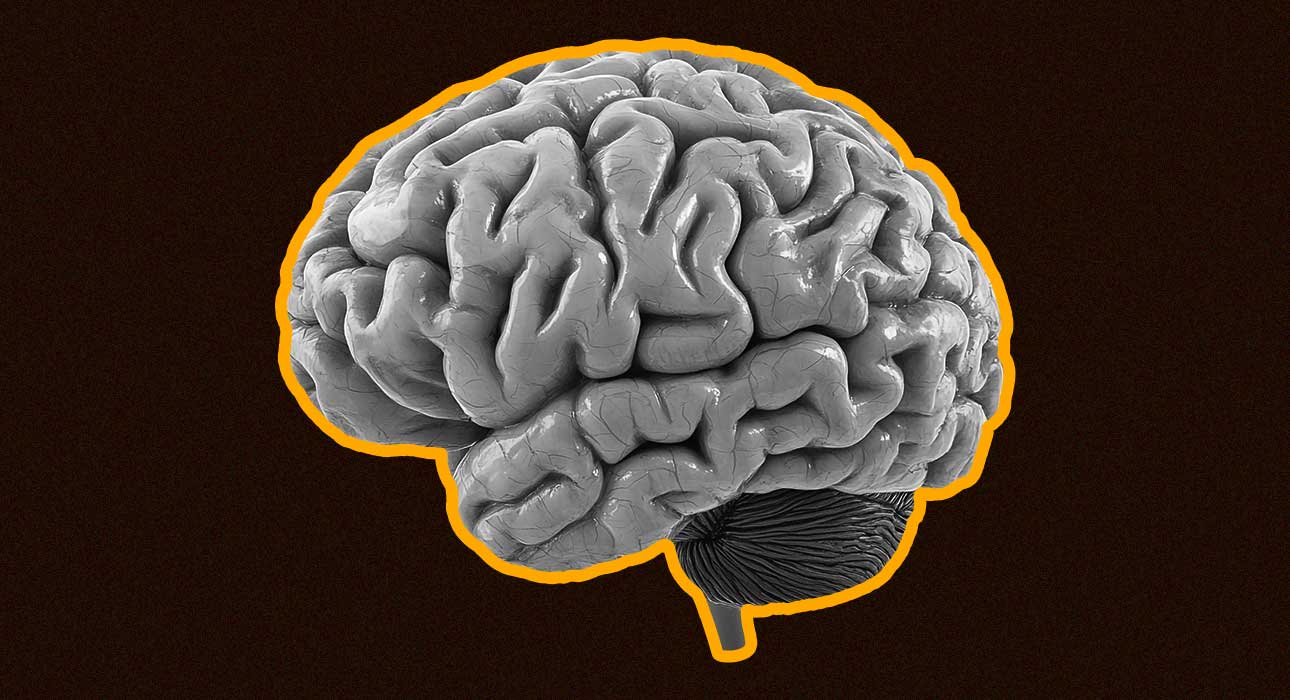
This research explores how human memory is not fixed the moment it is formed, but can be rewritten or modified when recalled. Instead of treating memories as unchangeable recordings, the study shows that when a person retrieves a memory, whether a personal event (episodic memory) or general knowledge (semantic memory), the process of bringing it back can change how it is stored. This understanding helps explain why memories can become distorted or updated over time.
Read More: Understanding Short-Term and Long-Term Memory: How We Retain What Matters
Understanding Episodic and Semantic Memory
Memory is often divided into two main types: episodic and semantic memory. Episodic memory involves personal experiences, such as remembering a specific event from one’s life, like a birthday or a first day at school. Semantic memory, on the other hand, involves general knowledge and facts such as knowing that Paris is the capital of France. Although these two types of memory rely on different brain systems, the research shows that both can be influenced by similar processes when they are retrieved, meaning that recalling them can lead to changes in how they are stored and remembered later.
Read More: What Is Episodic Memory, and Why Does It Decline With Age?
Research Details
The study investigated how retrieving a memory can change its strength and content. Researchers used brain imaging and behavioural tests to observe what happens in the brain when people recall episodic or semantic memories. Participants were asked to remember specific events and also general knowledge statements. The researchers observed how brain activity changed during retrieval and whether the way a memory was retrieved influenced how it was later remembered.
Major Findings
The study highlights that memories can be rewritten during retrieval. Rather than being permanent and fixed, both personal experiences (episodic memories) and factual knowledge (semantic memories) can be influenced by how they are recalled. The brain’s memory networks allow for updating and modification each time a memory is brought to mind. This helps explain why people’s recollections can change over time and why memory distortions occur.
Authors’ Perspective
The study was led by Dr Roni Tibon from the University of Nottingham. She explains that memory is not fixed and can change each time it is recalled. Her research shows that remembering personal experiences and general facts activates similar brain processes, which challenges the idea that these memories work in completely separate ways. The study was supported by research funding from academic and neuroscience research institutions, highlighting its scientific reliability.
Read More: Memory Distortion and the Paranormal Beliefs: How the Mind Rewrites Reality
Conclusion
The study shows that memory is not fixed and can change each time it is recalled. When a person remembers personal experiences or general facts, the brain briefly reopens the memory, making it flexible and open to change. This explains why memories can sometimes become stronger, weaker or slightly different over time. Understanding memory as a changing process helps explain everyday memory errors and also supports better approaches to learning, therapy, and the treatment of memory-related conditions.



Leave feedback about this