







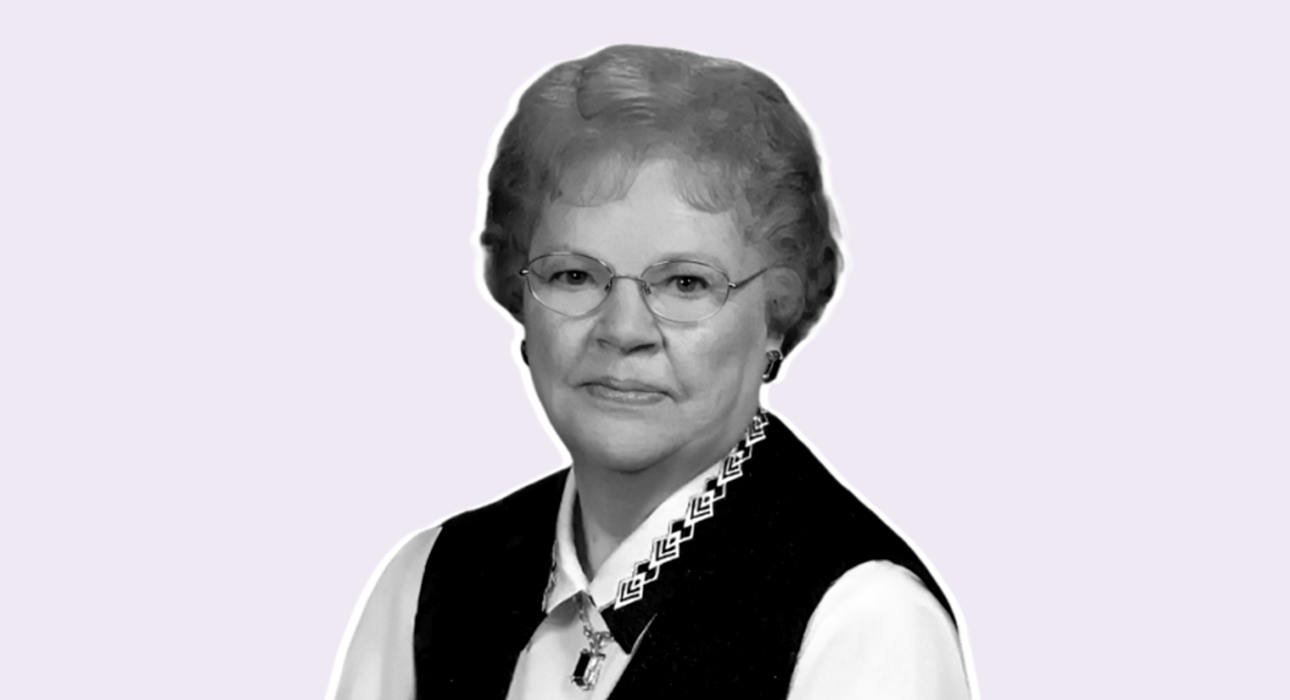
Behaviour is a result of the interaction among biological, psychological and social factors. Recognising these factors is crucial for comprehending what motivates people to behave a certain way in their surroundings. Dorothy E. Johnson’s Behavioural System Model is a “whole” framework in which a human being is considered a “wholeness” of behaviour seeking balance and stability (Johnson, 1980).
Johnson developed the model in the context of nursing, but practitioners can apply it more widely to understand how behaviours and relationships contribute to wellbeing. Unlike approaches that focus solely on disease, Johnson’s theory emphasises the individual, the complexity of behaviour, and how people express it (Alligood, 2022). This view is consistent with today’s biopsychosocial approach to health, which sees health not as absence of disease but as a balance between mind-body and environment (Engel, 1977).
This article provides an understanding of the major concepts, uses, limitations, and current utility of the Behavioural System Model of Johnson’s theory of human behaviour.
Dorothy E. Johnson and the Development of the Behavioural System Model
American theorist and educator Dorothy E. Johnson (1919-1999) wanted to define nursing as an independent scientific discipline. In the 1960s and 1970s, nursing began to shift more and more into models that focused on the whole person, not just medical practices. In reply, Johnson introduced the Behavioural System Model, where the core of nursing was to assist people to remain in or achieve a state of behavioural balance in the body (Alligood, 2022; Johnson, 1980).
Johnson perceived every individual as an organised behavioural system with overlapping patterns. Such behaviours vary with biological mechanisms, psychological events, social relations and surrounding conditions (Alligood, 2022; Smith & Parker, 2024). Originally developed in nursing, Johnson’s model highlights the principles of systems theory and behavioural science to describe interaction, adaptation and regulation rather than just psychological processes (Meleis, 2018; Smith & Parker, 2024).
Humans as Behavioural Systems
Johnson’s theory identifies the central idea that people are behavioural systems and not just sets of behaviours. A behavioural system includes patterned, repetitive, and goal-directed behaviours that support survival, adaptation and wellbeing (Alligood, 2022; Johnson, 1980).
Johnson felt that behaviour has a function and strives to reach stability. Like systems in the body that control blood pressure or temperature, behavioural systems control emotional, social, and psychological functions. All of these behavioural responses help to maintain homeostasis in the person and enable interaction with the environment (Johnson, 1980; Smith & Parker, 2024).
We cannot understand such behaviour on its own. Emotional responses, relationships, routines, motivators and coping mechanisms are part of a dynamic that constantly interacts. This means that when one behavioural dimension changes, so do others too, which denotes the relationship between human functioning (Alligood, 2022; Meleis, 2018).
The Seven Behavioural Subsystems
Johnson proposed that human behaviour consists of seven interdependent behavioural subsystems, each serving a distinct purpose while contributing to overall behavioural stability (Alligood, 2022; Johnson, 1980).
1. Attachment or Affiliative Subsystem
The attachment or affiliative subsystem is the human need for purposeful relationships, belonging, emotional security and social connection. Interpersonal security fosters mental stability, hardiness and diminishes stress. Research consistently links positive social support to better mental health, wellbeing, and adaptation (Holt-Lunstad et al., 2010; Smith & Parker, 2024).
For example, an individual being anxious and nervous before their presentation seeks a pep talk from their friend and feels confident and supported.
2. Dependency Subsystem
The dependency sub-system reflects dependent, dependent-seeking, nurturative, or reassurance-seeking behaviours. People rely on others for guidance, encouragement and care to different extents throughout life. Emotional dependency is important for trust and emotional growth, though being more dependent one is, or completely isolated can lead to emotional suffering (Alligood, 2022; Smith & Parker, 2024).
For example, an individual asks their sibling or a friend for help with their classwork and assignments due to being unwell and missing classes.
3. Ingestive Subsystem
The ingestive subsystem is frequently mentioned in discussions about eating behaviours and nutrition. But is also culturally and socially related behaviours involving food intake. Biological hunger is not the only influence on diet; family norms, culture, emotions and social dynamics also generate dietary norms. Johnson understood that it is physical and mental health that are impacted (Alligood, 2022; Johnson, 1980).
For example, generally eating foods such as Roti and Rice, both with hands in India, is both a personal preference and culturally a part of our eating habits.
4. Eliminative Subsystem
The eliminative subsystem involves elimination and control of bodily processes. These actions, often missed, are related to “privacy, dignity, cultural expectations and personal comfort,” Johnson said. If someone becomes ill or injured in this subsystem, it can have a big impact on their self-esteem and emotional adjustment (Johnson, 1980; Smith & Parker, 2024).
For example, a stroke patient with partial paralysis in the family may feel embarrassed and self-conscious for requiring assistance with their basic needs such as eating, using the toilet, etc.
5. Sexual Subsystem
Sexual Subsystem: Reproductive functions, gender identity, intimacy and interpersonal relations. For Johnson, sexuality was an important domain of behaviour, shaped by biological maturity, by cultural norms, by psychological experiences, and by social norms. A normal operation in this sub-system is linked to identity and emotional health (Johnson, 1980; Meleis, 2018).
For example, the transition from adolescence to adulthood, where an individual gets to explore and be involved with another person intimately.
6. Aggressive or Protective Subsystem
The aggressive subsystem is used to protect the person from perceived threats and to keep them safe. There were two kinds of solutions to Johnson: constructive and destructive. Healthy assertiveness allows for the setting of limits and standing up for oneself when challenges and obstacles are encountered. An overly aggressive assertiveness could lead to issues in personal relationships and mental health (Alligood, 2022; Johnson, 1980).
For example, an individual establishes a boundary for not sharing their lunch at the office to feel appropriately fed and energised for the rest of the day, but it also hinders them from having any social connections.
7. Achievement Subsystem
The Achievement system will encourage people to learn tasks, solve problems, meet targets and receive rewards. Achievement in this subsystem will build self-confidence, self-esteem and self-development. Adult wellbeing and resilience also see very contemporary psychological theories on achievement motivation (Ryan & Deci, 2020; Smith & Parker, 2024).
For example, an individual prepares really hard to crack an important interview for 2 weeks, then finally lands the job and feels a sense of accomplishment.
All these seven subsystems interact constantly. One unit of the problem often impacts another, giving evidence that Johnson knew that human behaviour was not ‘behaviour’, but a whole (Alligood, 2022; Johnson, 1980).
Psychological and Social Dimensions of Behaviour
While Johnson’s theory derives from nursing, it draws on various psychological and social theories that are still applicable today. Socio-personal dynamics are a constant interplay that is able to explain behaviour (Meleis, 2018; Smith & Parker, 2024). How one responds to life events is influenced by individual reasons, emotional control, stress factors, coping, self-concept & resilience.
At the same time, the family, the expected behaviour, education, work and the social environment influence behaviour and adaptation (Alligood, 2022; Ryan & Deci, 2020). Johnson claimed health goes beyond just physical capabilities. Relationship problems, environmental stressors and loneliness, without actual disease, could upset your behavioural balance. This vision is akin to the contemporary understanding of biosocial, biological, and psychological factors of health (Bolton & Gillett, 2019; Smith & Parker, 2024).
Behavioural Equilibrium and Adaptation
Johnson’s focus on behavioural equilibrium has been a great contribution. Behavioural subsystems aim to hold the balance, reacting adaptively to conditions of change (Alligood, 2022; Johnson, 1980). Worrying events in life such as health concerns, loss of life, work obligations and relationship problems can upset behaviour. There are several ways of coping: some positive, some negative. Resourceful coping encompasses social support, problem solving, emotional control and a healthy lifestyle.
A behavioural response such as substance abuse, withdrawal, aggression and avoidance can initially reduce stress but can lead to other psychological and social problems. (Lazarus & Folkman, 1984; Ryan & Deci, 2020). In contrast to treating physical symptoms, Johnson felt that healthcare professionals needed to recognise dysfunctions of the behavioural subsystems and help people build healthier adaptive patterns (Alligood, 2022; Johnson, 1980; Smith & Parker, 2024).
Applications in Healthcare and Beyond
The Behavioural System Model is still referred to in nursing education and is used to guide patient-centred care in all clinical areas (Alligood, 2022; Smith & Parker, 2024).
- In mental health nursing, the model is used to evaluate behaviours associated with anxiety, depression, trauma or psychiatric illnesses. Nurse assessment goes beyond diagnosis to look at the disruption in the behavioural subsystems and what interventions can foster adaptive functioning (Alligood, 2022; Smith & Parker, 2024).
- In paediatrics, the concepts of attachment and dependency, achievement and social development help healthcare professionals to respond to children’s emotional and developmental needs in hospital (Alligood, 2022; Smith & Parker, 2024).
- Johnson’s framework is also helpful in rehabilitation settings. Disturbances in several behavioural subsystems are common following neurological injury, stroke, spinal cord injury and chronic illnesses. Emotional adjustment, motivation and family support are also combined with physical rehabilitation to support more holistic recovery (Oymaağaçlıo & Karabacak, 2021; Smith & Parker, 2024).
- It’s also used in geriatric care, community health, chronic disease management, and patient education, all aiming to achieve better patient behaviours to benefit their long-term health (Kardaş Kin & Türeyen, 2019; Meleis, 2018).
Johnson’s insights are relevant to other fields, including psychology, counselling, education, and organisations. Behavioural systems allow educators to grasp students’ motivation and social adjustment, and counsellors to analyse the impact of interpersonal interactions and coping on emotional wellbeing (Ryan & Deci, 2020; Smith & Parker, 2024).
Strengths of Johnson’s Behavioural System Model
Its main strength is that Johnson’s theory contains an all-encompassing perspective on human behaviour. The model doesn’t pathologise people, but takes into account the biological, psychological, behavioural and social factors. This holistic view complements today’s person-centred care (Alligood, 2022; Smith & Parker, 2024). It has other assets such as an absence of a pathological focus. According to Johnson, behavioural distortions aren’t perceived as personal problems, but as an imbalance in the system. A strengths-based view supports interventions to restore healthy functioning (Alligood, 2022; Johnson, 1980).
The model also gives a well-structured framework for behaviour evaluation. Each behavioural subsystem requires specific interventions, yet practitioners need to be aware of human behaviour as a whole (Alligood, 2022; Smith & Parker, 2024). Also, its systems focus maps well with today’s interdisciplinary healthcare approaches involving the interaction of doctors, psychologists, nurses, occupational therapists, and social workers (Meleis, 2018; Smith & Parker, 2024).
Limitations of the Theory
There are some drawbacks to Johnson’s Behavioural System Model. The first criticism relates to the fact that not all the subsystems have been validated empirically and directly. At the moment, the entire theory is well demonstrated on a small-scale empirical basis, yet not on a large scale (Meleis, 2018; Smith & Parker, 2024).
Another drawback is that the model focuses mainly on nursing practice. The theory was broadly useful, but Johnson didn’t intend it as a general theory of personality, cognition or psychological development. Hence, it cannot replace the existing psychological theories like social cognitive theory, attachment theory, or ecological systems theory fully (Johnson, 1980; Meleis, 2018).
It has been added that a few subsystem definitions, especially in sexuality and elimination, may need to be re-interpreted to align with new cultural norms, diversity, and current views of human behaviour (Meleis, 2018; Smith & Parker, 2024). Critically, in terms of implementation, behavioural subsystems often overlap and may be hard to discern in complicated patient situations (Alligood, 2022; Smith & Parker, 2024).
Contemporary Relevance
This work of Johnson’s is still relevant, 50-plus years on, since healthcare is making greater use of holistic, person-centred care. Modern methods focus on the fact that the body is not divorced from the emotional state, social contacts, environment and behaviour (Bolton & Gillett, 2019; Smith & Parker, 2024). Theories of people as systems and the development of chronic illness, mental health, ageing populations, rehabilitation, and integrated health services are making a comeback.
Emphasis on behaviour, stress and environment identifies issues of crossovers with the ongoing discussion on social determinants of health, patient-centred care, and behaviourally oriented medicine (Bolton & Gillett, 2019; Ryan & Deci, 2020). Further, theory stimulates research on human behaviour strategies rather than symptom management to impact health attributes. Such a wide view still has a role today in a multi-faceted health-care world (Alligood, 2022; Smith & Parker, 2024).
Conclusion
Dorothy E. Johnson’s Behavioural System Model offers a comprehensive way to comprehend human behaviour, focusing on how behavioural, psychological, biological and social elements are interconnected. It emphasises the behavioural balance by seven related subsystems, reflecting the complexity of human functions and the need for adaptation to foster health and wellbeing (Johnson, 1980).
The model was developed as a nursing theory, but is still applicable in the field, with a focus on person-centred and holistic care (Alligood, 2022). Its systems-based approach offers insights into behavioural assessment and intervention, if not a complete theory of human psychology. Finally, Johnson’s research has continually shown that to comprehend human behaviour, one must take a holistic approach. It should not be based only on symptoms or behaviour.
References +
- Alligood, M. R. (2022). Nursing theorists and their work (10th ed.). Elsevier.
- Bolton, D., & Gillett, G. (2019). The biopsychosocial model of health and disease: New philosophical and scientific developments. Palgrave Macmillan. https://doi.org/10.1007/978-3-030-11899-0
- Engel, G. L. (1977). The need for a new medical model: A challenge for biomedicine. Science, 196(4286), 129–136. https://doi.org/10.1126/science.847460
- Holt-Lunstad, J., Smith, T. B., & Layton, J. B. (2010). Social relationships and mortality risk: A meta-analytic review. PLoS Medicine, 7(7), e1000316. https://doi.org/10.1371/journal.pmed.1000316
- Johnson, D. E. (1980). The behavioral system model for nursing. In J. P. Riehl & C. Roy (Eds.), Conceptual models for nursing practice (2nd ed., pp. 207–216). Appleton-Century-Crofts.
- Kardaş Kin, Ö., & Türeyen, A. (2019). KOAH’lı bir olgunun Dorothy E. Johnson davranışsal sistem modeline göre incelenmesi [Evaluation of a patient with chronic obstructive pulmonary disease according to Dorothy E. Johnson’s Behavioral System Model]. Hemşirelikte Eğitim ve Araştırma Dergisi, 16(2), 145–150.
- Lazarus, R. S., & Folkman, S. (1984). Stress, appraisal, and coping. Springer.
- Meleis, A. I. (2018). Theoretical nursing: Development and progress (6th ed.). Wolters Kluwer.
- Oymaağaçlıo, K., & Gülseven Karabacak, B. (2021). Investigation of a multiple sclerosis patient according to Dorothy Johnson’s Behavioural System Model: A case example. Journal of Anatolia Nursing and Health Sciences, 24(4), 579–588. https://doi.org/10.17049/ataunihem.748380
- Ryan, R. M., & Deci, E. L. (2020). Self-determination theory: Basic psychological needs in motivation, development, and wellness. Guilford Press.
- Smith, M. C., & Parker, M. E. (2024). Nursing theories and nursing practice (5th ed.). F. A. Davis.


Leave feedback about this