







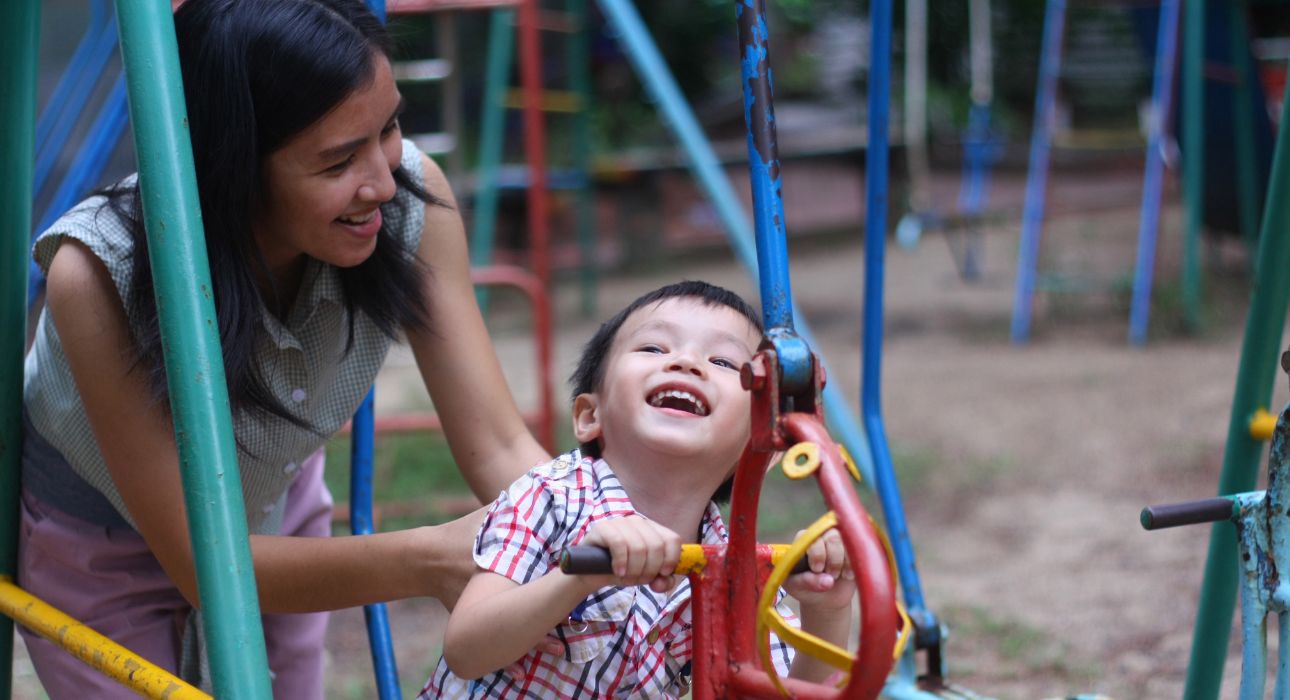
The playgrounds are often pictured as public areas that are open to all children to play, explore and socialise without any restrictions. Play facilitates physical growth, emotional, creativity, and social skills, which is why it is a very essential aspect of a healthy childhood. Play is considered an essential right within international structures and not a voluntary activity (UNICEF, 2013). Notwithstanding this ideal, there are many playgrounds that do not accommodate neurodivergent kids.
Children with autism, ADHD, sensory processing differences, and other neurodevelopmental profiles usually find themselves exposed to overwhelming, socially limiting, or physically inaccessible environments. These obstacles deter engagement and limit chances of meaningful play. The rejection of neurodivergent children is not based on a lack of playing ability.
Rather than this, it indicates playground designs based on limited assumptions about behaviour, communication and interaction. An analysis of these barriers indicates how the environment is designed to influence inclusion and exclusion in daily childhood life.
Read More: ADHD & Social Skills
Neurodiversity and Diverse Experiences of Play
Neurodiversity is a model where neurological difference is considered normal and beneficial variations of human differences. In this sense, autism, ADHD, and other disorders are not a lack of anything but a variation in thinking, perception, and communication. Such variations affect the interactions that children have with play environments. The neurodivergent children usually show divergent play styles, which are not in line with the prevailing standards of play. Others like solitary play or parallel play, and others repeat actions that help them to regulate their emotions.
Routine, predictability and sensory consistency could be even more important than novelty or even competition. It has been confirmed that these play behaviours facilitate learning and well-being (Kapp et al., 2013). Fast-paced, socially challenging forms of play are given preference at playgrounds at the expense of other forms of play. Where engagement only supports one mode, children whose play is different are usually perceived as not interested. Inclusive play means being aware of various sound methods relating to play spaces.
Read More: How Teaching Neurodiversity Shapes Children’s Emotional Intelligence
Sensory Overload in the Playground Environment
Sensory overload is a barrier that is the most prevalent to neurodivergent children. The conventional playgrounds are often characterized with intense coloring, noisy gadgets, crowds, and mobility. These features do not stimulate all the children, but they overwhelm sensory-sensitive children.
In children with sensitization to filtering sensory information, playgrounds can cause anxiety, distress, and withdrawal. Research indicates that sensory overload plays an extensive role in decreasing the involvement and causing emotional dysregulation in autistic children (Ashburner et al., 2008). Avoidance behaviors have been confused with behavioral problems instead of coping mechanisms.
Most playgrounds do not have places to retreat, sensory controlled play equipment and quiet zones. In the absence of these features, children requiring sensory balance are left out by design. Physical accessibility and sensory accessibility should be considered in order to establish inclusive play spaces.
Read More: The Psychological Impact of Peer Education on Neurodiversity in Schools
Social Norms and Interactional Barriers
Playgrounds instil powerful social norms of the expected behaviour of children. Gear can promote group play, turn-taking, competition and quick social negotiation. These expectations are never spelled out in writing, which forms invisible guidelines of participation.
Neurodivergent children might interpret social cues or speak in non-normative ways. The studies on the phenomenon of the double empathy problem point out that interpersonal issues can emerge due to the lack of mutual understanding, but not personal inefficiency (Milton, 2012). Yet, this diversity is hardly supported in playgrounds.
When conditions are not conducive to solitary or parallel play, the children who are not able to keep to the basic social norms are excluded. Inclusive playgrounds should provide diverse types of social interaction without coercing people to only one type of interaction.
Read More: Parenting with Neurodiversity: Nurturing Diverse Minds
Physical Design and Motor Challenges
The physical design of the physical environment may also pose extra barriers to neurodivergent children. High levels, small walkways and intricate climbing equipment presuppose the same motor control and self-confidence. Such assumptions are a disadvantage to children with dyspraxia, balance issues, and increased fear responses. Safety-oriented design, in numerous situations, is a constraint on exploration that is not intended.
Although safety is vital, an overprotective environment opts out of excessively restrictive settings that limit the opportunity to take risks that can be managed. Proper risk is found to facilitate confidence, autonomy, and emotional regulation among children (Bundy et al., 2009). Inclusive playgrounds have graduated to a level of challenges and versatile equipment. The differences in the level of difficulty will enable children to have fun at their own pace. Design flexibility facilitates involvement without reducing safety.
Read More: The Beauty of Neurodiversity: Celebrating Our Unique Minds
Adult Perceptions and Systemic Exclusion
The problem of exclusion in a playground is not merely the problem of design. Adult attitudes influence the judgment of what is deemed proper play and what is accepted or not. The neurodivergent children receive an expectation to fit within the existing environments as opposed to the environments to adjust to them. This assumption represents a medical concept of disability in which the disparities are addressed as personal issues.
Conversely, the social model focuses on the fact that environmental barriers cause disability. The literature suggests the need to move the responsibility to inclusive design and planning (Moore and Lynch, 2018). The design of inclusive neurodiverse playgrounds is seldom a requirement on a policy level. Inclusive features are not mandatory but optional, without clear guidelines and priorities in terms of funding. It needs to be policy, planning, and community-level changes.
Read More: Too Many Dreams, Too Little Direction: How ADHD Impacts Career Decisions and Growth
Principles of Inclusive and Neurodiversity: Affirming Playgrounds
The presence of inclusive playgrounds shows that exclusion is not predetermined. Such characteristics as sensory-friendly areas, predictable designs, visual aids, and a variety of playing activities contribute significantly to access. Through these aspects, the children can self-regulate and make decisions about activities that match their needs. The principles of universal design are not only helpful to neurodivergent children.
Inclusive spaces help to develop empathy, cooperation, and mutual understanding with one’s peers. It has been shown that children who are exposed to inclusive environments gain a more positive attitude towards difference (UNICEF, 2013). Notably, inclusion does not mean the elimination of traditional play structures. Rather, it is a matter of diversification in terms of choice, such that no one style of playing is considered as default. Meaningful inclusion is based on choice.
Conclusion
Playgrounds are very strong social arenas, which convey messages of who is a member and who is not. When the neurodivergent children are not included, the message sent is that difference is a pain instead of an asset. These messages cause the development of the self-concept and belonging in the children. Hurdles to play are not by chance. They are a result of design choices, societal norms and policy concerns which emphasise homogeneity rather than heterogeneity.
The acknowledgement of this places the onus on the mechanisms, which make up the settings of individual children. It is possible and desirable to develop inclusive playgrounds. Sensory, social and structural barriers should be addressed so that play becomes an experience that is truly shared. Inclusive Play Spaces are beneficial to neurodivergent children as well as whole communities, as they promote equity, empathy, and respect towards diversity.
References +
Ashburner, J., Ziviani, J., & Rodger, S. (2008). Sensory processing and classroom emotional, behavioural, and educational outcomes in children with autism spectrum disorder. American Journal of Occupational Therapy, 62(5), 564–573. https://doi.org/10.5014/ajot.62.5.564
Bundy, A. C., Luckett, T., Tranter, P. J., Naughton, G. A., Wyver, S. R., Ragen, J., & Spies, G. (2009). The risk is that there is “no risk”: A simple, innovative intervention to increase children’s activity levels. International Journal of Early Years Education, 17(1), 33–45. https://doi.org/10.1080/09669760802699878
Frost, J. L., Wortham, S. C., & Reifel, S. (2012). Play and child development (4th ed.). Pearson Education.
Gibson, J. L., Cornell, M., & Gill, T. (2017). A systematic review of research into the impact of loose parts play on children’s cognitive, social and emotional development. School Mental Health, 9(4), 295–309. https://doi.org/10.1007/s12310-017-9220-9
Kapp, S. K., Gillespie-Lynch, K., Sherman, L. E., & Hutman, T. (2013). Deficit, difference, or both? Autism and neurodiversity. Developmental Psychology, 49(1), 59–71. https://doi.org/10.1037/a0028353
Lynch, H., Moore, A., Edwards, C., & Horgan, L. (2020). Advancing play participation for all children: The challenge of addressing play diversity and inclusion. British Journal of Occupational Therapy, 83(9), 555–564. https://doi.org/10.1177/0308022620930130
Milton, D. (2012). On the ontological status of autism: The “double empathy problem”. Disability & Society, 27(6), 883–887. https://doi.org/10.1080/09687599.2012.710008
Moore, A., & Lynch, H. (2018). Understanding a child’s conceptualisation of well-being through an exploration of happiness: The centrality of play, people and place. Journal of Occupational Science, 25(1), 124–141. https://doi.org/10.1080/14427591.2017.1377101
Pellicano, E., Dinsmore, A., & Charman, T. (2014). What should autism research focus on? Community views and priorities from the United Kingdom. Autism, 18(7), 756–770. https://doi.org/10.1177/1362361314529627
Prellwitz, M., & Skär, L. (2007). Usability of playgrounds for children with different abilities. Occupational Therapy International, 14(3), 144–155. https://doi.org/10.1002/oti.234
UNICEF. (2013). The right of the child to play. United Nations Children’s Fund. World Health Organisation. (2011). World report on disability. WHO Press.





Leave feedback about this