






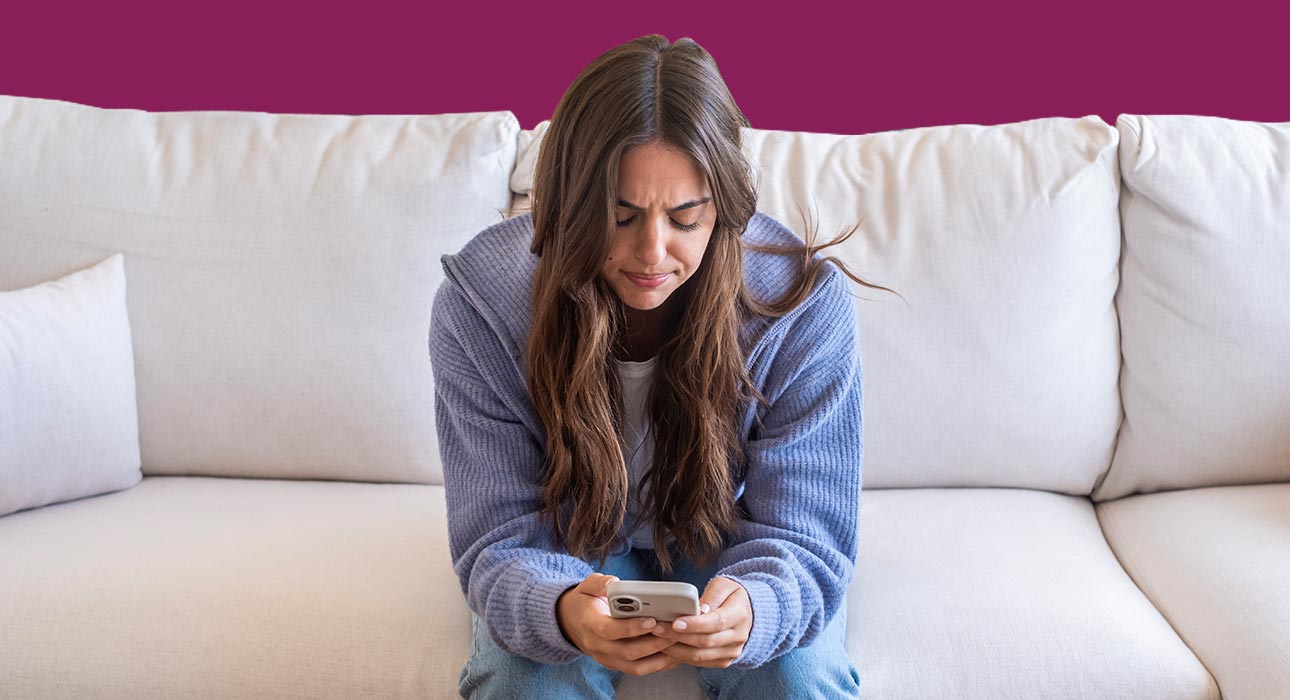
You share a picture you like on social media and after a few hours you begin to notice you haven’t gained as many likes as you hoped. You also notice someone has shared a similar picture and gained hundreds of likes. Although this may not be a big deal, you may start to feel unsure of the validity of your post, caption and how you are viewed by others. Although liking and commenting is an easy thing to do, many people view it as a form of judgement. Social media can cause people to feel like they are being judged on how popular, accepted and valued they are. This can cause people to view lower likes as a form of rejection.
Lee et al. (2020) looked into how adolescents felt when receiving less likes than usual. This was done through 3 studies and found adolescents who received less likes were more likely to feel rejected and had more negative reflections about themselves. Particularly those who had been victims of peer victimisation. This is an important finding as it shows how feedback can affect how young people view their social status. Although likes don’t necessarily mean people are judging you, adolescents are very sensitive to how they are treated by peers and may view less likes as them not being as accepted.
Read More: When Social Media Becomes Judge and Jury
Social Comparison
As humans we often compare ourselves to others to see how capable, attractive, successful and accepted we are. Social media can cause people to compare themselves to others on a larger scale as there is a large amount of posts and pictures. People will often compare how many followers and likes people have.
An example of this would be upward comparisons. We often compare ourselves to someone who appears to be more successful in a certain aspect. For example if your friend gained much more likes than you on a similar post you may compare yourself to them and feel they are more attractive, popular and worthy of attention. This can cause negative judgements. Although comparing yourself to others isn’t inherently negative, the social media can be very unrealistic. A study by Verduyn et al. (2020) looked into social processes on social networking sites. They found social comparison can have a large impact on how you view yourself.
A meta-analysis by McComb et al. (2023) found upward comparison targets were associated with increased negative self-evaluations. This supports the idea that people will feel negatively about themselves when seeing people who appear more successful, attractive and popular. This is often because people are comparing their everyday lives to carefully chosen posts.
This isn’t always negative as it can act as a motivator. However people may feel upset that others are paying more attention to them and view it as a judgement of their worth. They may start to view their post as a reflection of themselves. Although social media can cause people to compare themselves, it may not be meaningful.
Read More: Trapped in Social Comparison?: The Psychology Behind Luxury Consumption
Need to be Accepted and Self Esteem
As humans we have a basic need to feel accepted and connected to others. This can give us a sense of belonging and security. Leary et al. (1995) proposed a theory called the sociometer theory. This suggests self esteem is an internal measure of how valued we feel in our relationships. This means self esteem can be influenced by how we feel we are being accepted, valued and included. This means self esteem doesn’t necessarily increase when we feel included and decrease when we feel rejected but can be influenced by how we perceive cues.
Studies by Meier and Schäfer (2018) show there is a complex relationship between social networking sites and self esteem. Social comparison, feedback and self reflection can affect how people feel about themselves. How people feel about receiving less interactions on their post can depend on their expectations, current self-evaluation and overall context.
Those with low self esteem are more likely to feel that receiving less likes confirms their negative thoughts. They may feel they aren’t interesting or worthy of attention. However this will depend on the individual’s situation, how much they value online feedback and if they have other sources of support and self worth. This means people can have very different reactions.
Feeling Disappointed
It is natural to feel upset with a lower amount of likes or to know peoples opinions on you, however if we allow these opinions to affect our emotions, this can cause problems. For example when some people become obsessed with constantly comparing themselves to others cause emotional distress and negative self evaluation. However this doesn’t mean they will develop any clinical depression or mental disorders.
They may start to feel people are generally more liked and valued than them and they don’t deserve to be as valued. A review by Meier and Johnson (2022) looked into the relationship between social media comparison, envy and wellbeing. They found it can have varied effects on different people. It is important not to generalise how someone is feeling.
Read More: Social comparison in the age of Social media
Breaking the Cycle
Whilst it can be difficult to avoid social media completely, it is possible to develop a healthier relationship with it. If you receive less likes than expected on your post it can help to take a step back and realise that just because you are feeling ignored or disappointed doesn’t mean you are being rejected. There are many reasons why you may not be receiving as many likes such as the time, visibility and what people are busy with. You can also switch off notifications or take a break from the app. You can follow accounts related to learning, creativity and your own interests to help you not compare yourself.
Building your confidence by surrounding yourself with friends, skills, exercise and hobbies can help. These things aren’t measured by online approval. It can be helpful to talk to someone you trust or mental health professionals if you are feeling that social media is negatively affecting your life, relationships and emotional wellbeing. Most importantly if you are feeling down, powerless or useless.
Conclusion
Overall it can be disappointing to receive less likes than expected. As social media can make you feel like you are being paid more attention to. Some people can place too much importance on the feedback they receive online as they want to feel accepted. However this can vary depending on the individual and their experiences, expectations and support. Receiving less likes doesn’t mean you are being rejected.
Creating a healthier relationship with social media can start by understanding that online engagement is a small part of our social lives. Although it can be nice to receive likes and comments, they don’t measure your character, skills, relationships and successes. Your post may not gain much attention but can still be important to you. Your self worth is much more than how people are reacting to your post.
References +
- McComb, C. A., Vanman, E. J., & Tobin, S. J. (2023). A meta-analysis of the effects of social media exposure to upward comparison targets on self-evaluations and emotions. Media Psychology, 26(5), 612–635. https://doi.org/10.1080/15213269.2023.2180647
- Lee, H. Y., Jamieson, J. P., Reis, H. T., Beevers, C. G., Josephs, R. A., Mullarkey, M. C., & Yeager, D. S. (2020). Getting fewer “likes” than others on social media elicits emotional distress among victimized adolescents. Child Development, 91(6), 2141–2159. https://doi.org/10.1111/cdev.13422
- Leary, M. R., Tambor, E. S., Terdal, S. K., & Downs, D. L. (1995). Self-esteem as an interpersonal monitor: The sociometer hypothesis. Journal of Personality and Social Psychology, 68(3), 518–530. https://doi.org/10.1037/0022-3514.68.3.518
- Meier, A., & Johnson, B. K. (2022). Social comparison and envy on social media: A critical review. Current Opinion in Psychology, 45, Article 101302. https://doi.org/10.1016/j.copsyc.2022.101302
- Meier, A., & Schäfer, S. (2018). The positive side of social comparison on social network sites: How envy can drive inspiration on Instagram. Cyberpsychology, Behavior, and Social Networking, 21(7), 411–417. https://doi.org/10.1089/cyber.2017.0708
- Verduyn, P., Gugushvili, N., Massar, K., Täht, K., & Kross, E. (2020). Social comparison on social networking sites. Current Opinion in Psychology, 36, 32–37. https://doi.org/10.1016/j.copsyc.2020.04.002



Leave feedback about this