







“Food may be essential as fuel for the body, but good food is fuel for the soul.” Malcom Forbes As Malcolm Forbes said, food is essential for our body and soul. Today, many people are rapidly shifting toward ultra-processed food rather than choosing Organic and healthy options. Ultra-processed foods have become a slow poison under the guise of nourishment. We face the consequences in both physical and mental health. From school-going children to older people, we can hear that stress and depression have become common problems.
Why does it speak to all age groups? Where does it start? Diet is a major contributing factor. Ultra-processed food is one of the major reasons for unhealthy and poor mental well-being. Highly refined sugars, fats, starches, and synthetic additives cause obesity, metabolic disorders, and increase their impact on mental and cognitive health (Harvard Health Publishing,2023).
Executive function, encompassing cognitive domains such as attention, working memory, Cognitive flexibility, and inhibitory control, is critical for goal-directed behaviour, learning, and emotional regulation. These functions are primarily regulated by the prefrontal cortex and associated neural circuits. It causes ageing and neurodegenerative diseases (Goncalvess et al.,2023).
It explores domain- specific cognitive effects, underlying biological mechanisms, age-related vulnerabilities, neuroimaging findings, and the broader public health context, with a particular focus on patterns relevant to India and other middle-income countries. From street vendors to supermarkets, Ultra-processed foods dominate our plates.
Read More: Ultra-Processed Foods Can Decline Mental Well-Being: Study
Ultra-Processed Foods Are The Silent Poisoning of Our Minds
Ultra-processed foods are a staple in a rapidly changing world, and are even more unhealthy. Ultra- processed foods are industrially manufactured products containing minimal or no intact organic matter, comprising five or more ingredients, which include refined sugars, oils, fats, and synthetic additives like flavour enhancers, emulsifiers, colourants, and artificial sweeteners (Monterio et al., 2019). Ultra-processed foods include:
- Beverages like cola, soda, and carbonated drinks,
- air-packaged sweet and savoury snacks,
- Instant noodles, soups, sauces, and seasoning
- Ice-creams, frozen desserts, sweetened juices
- Pre-prepared meats, fish, and vegetables,
- Biscuits and cookies like Oreo,
- Chocolates, candies, pastries, cakes, and cake mixes
- Pre-prepared pizza, pasta, and burgers
We buy and eat these foods from street vendors to luxury hotels. We cannot resist the intake of these foods. These foods are omnipresent and tempting. However, as convenient and delectable as they may seem, their impact is insidious and deeply dangerous, we have ever witnessed. Gradually, it kills our mind and body. Physical consequences include obesity, diabetes, cardiovascular disease, and low immunity.
As much as it destroys the mental health of all age groups. Our mind requires constant energy, essential nutrients, and balanced neurotransmitter activity to function properly. Ultra-processed foods with high artificial additives and high glycemic load disrupt this balance. It spikes blood sugar levels, gut-brain health problems, hormonal imbalance, mood swings, and impaired executive function (Monterio et al., 2019; JAMA Neurology, 2022).
It is an emergency call to address the long-term consequences of consuming these ultra-processed foods and make conscious of better health. By understanding the risk, we can protect our well-being and nurture both our physical and mental health.
Why Diet Matters for Executive Function
Executive functions are higher-order cognitive processes that enable individuals to plan, focus attention, and remember, and can be significantly affected by what we eat. These skills are prominent for learning, decision-making, and emotional regulation. Ultra-processed foods carry a heavy load on the brain to reduce executive function. High intake of sugar and chocolates leads to mood fluctuation and distraction. Processed diet caused nutrient deficiencies and weakened the brain’s ability to hold and manipulate information. Hyperpalatable foods rewire reward pathways, reducing self-control and increasing impulsivity.
Domain-Specific Effects
1. Children and Adolescents
Recent studies and meta-analyses report that high intake of Ultra-processed food is associated with increased inattention and hyperactivity. Chronic consumption of refined sugars and saturated fats is thought to reduce cortical function and alter dopamine activity, causing ADHD-like symptoms (Wu et al., 2023).
The European youth cohorts study says 6,380 European youths found that 10% increase in daily Ultra-processed food consumption, a decrease of 0.11 standard deviations in composite executive-function scores (European Cohort Study, 2021). It remained adiposity and socioeconomic status. Moreover, meta-analytic synthesis, Brazilian and Asian studies have similarly reported the High intake UPF linked with poorer attention, cognitive flexibility, and inhibitory control in both children and adolescents (Silva et al., 2020; Liet al., 2021).
Read More: Sweet Trap: How High Sugar Diets Affect a Child’s Brain
2. Adults
Adults also face severe consequences due to high intake of UPF. Chronic UPF exposure is linked to structural brain changes, including reduced hippocampal volume, increased dementia risk (Goncalves et al., 2023). ELSA- Brazil study, in a cohort of 10,775 adults followed for a median of 8 years, those consuming more than 19.9 % of daily calories from UPFs exhibited a 28% faster rate of global cognitive decline and a 25% faster rate of executive function decline, as measured by verbal fluency and trail-making test B, a measure of cognitive flexibility. Other cohort studies have shown that high UPF intake is associated with risk of depression and frailty linked to executive dysfunction (Zheng et al., 2022; Zhang et al., 2021
3. The Older Adults
The older adults face Accelerated executive function decline, which increases susceptibility to neurodegenerative diseases like Alzheimer’s. The Framingham Heart Study and UK Biobank have shown that higher UPF consumption was associated with an increased risk of Alzheimer’s disease and dementia among older adults (Weinstein et al.,2025).
4. Rewiring the Brain
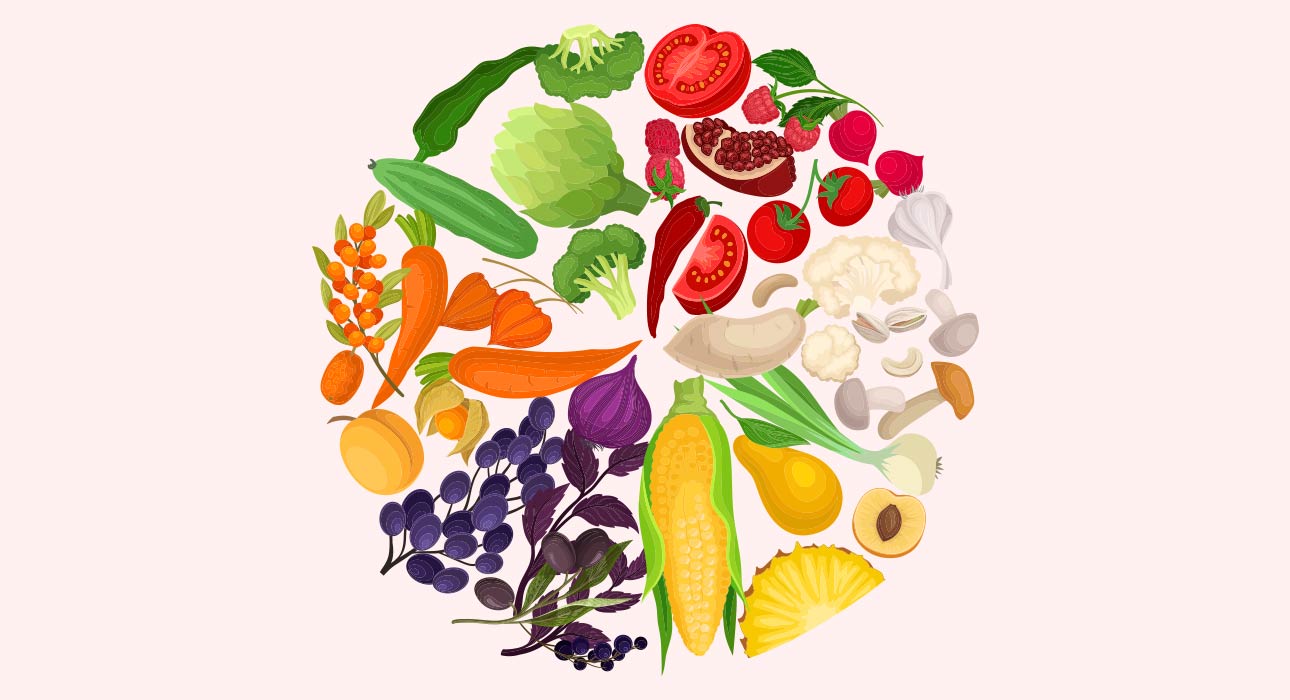
This evidence proves that Ultra-processed foods lead to nutrient deficiencies and weaken our brain’s ability to process and manipulate information effectively. Instead of Ultra-processed food, incorporating whole foods such as fruits, vegetables, lean protein, and whole grains can provide essential nutrients for brain health. Omega-3 fatty acids, vitamins, and antioxidants help to enhance memory, support neural pathways, and improve memory. Reducing ultra-processed food intake and encouraging a nutrient-rich diet can sharpen executive function (Gomez-Pinilla, 2008).
Read More: Diet that is Beneficial for Psychological Well-Being
Conclusion with a Conscious, Healthy Diet
Ultra-processed foods have become the biggest fear for a healthy lifestyle. We need to be aware of what we eat and how we eat. finding better alternatives. We encourage following a traditional diet rich in the Mediterranean diet. Also, we need to choose good food fuel for physical, emotional, and spiritual well-being to avoid the harmful effects of Ultra-processed food. These ultra- processed foods create stress, anxiety, and depression in all age groups.
Choose wisely; organic, wholesome nourishment rather than convenient food that weakens our executive function. Food is not just a commodity, essential for the mind and soul. Don’t feed slow poison to the next generation. We are responsible for building the mental and physical well-being of the future generation. Feed them nutritious food to create the healthiest society.
References +
- Monteiro, C. A., Cannon, G., Lawrence, M., Costa Louzada, M. L., & Pereira Machado, P. (2019). Ultra-processed foods, diet quality, and health using the NOVA classification system. Food and Agriculture Organisation of the United Nations.
- Gómez-Pinilla, F.(2008). Brain foods: The effects of nutrients on brain function. Nature Reviews Neuroscience,97, 568-578.
- Gonçalves, N. G., Ferreira, N. V., Khandpur, N., et al. (2023). Association between consumption of ultra-processed foods and cognitive decline. JAMA Neurology, 80(2), 142–150. https://doi.org/10.1001/jamaneurol.2022.4397 (doi.org in Bing).
- Li, H., Li, S., Yang, H., et al. (2022). Association of ultra-processed food consumption with risk of dementia. Neurology. https://doi.org/10.1212/WNL.0000000000200871 (doi.org in Bing).
- Monteiro, C. A., Cannon, G., Lawrence, M., Costa Louzada, M. L., & Pereira Machado, P. (2019). Ultra-processed foods, diet quality, and health using the NOVA classification system. Food and Agriculture Organisation of the United Nations
- Motti’s, G., Kandasamey, P., Peleg-Reinstein, D., et al. (2025). The consequences of ultra-processed foods on brain development during prenatal, adolescent and adult stages. Frontiers in Public Health.
- Wu, Y., Lin, S., Wu, D., et al. (2023). Processed food–sweets patterns and related behaviours with attention deficit hyperactivity disorder among children. Nutrients, 15(5), 1254.https://doi.org/10.3390/nu15051254.
- Weinstein, G., Koijs, D., Seshadri, S., et al. (2022). Ultra-processed food consumption and risk of dementia and Alzheimer’s disease: Findings from cohort studies (Framingham Heart Study poster/abstract). Alzheimer’s & Dementia / Conference Abstracts.



Leave feedback about this