








Aradhya is an ideal child, good at studies and active at extra curricular activities. She often brought trophies, medals and stories home; however, there was no one to listen to them. Her parents were busy with their jobs and were never really close to her to begin with. However, they were not bad; they often nodded when she showed them her trophies and sometimes even looked at her while doing so.
Overtime she learned to swallow her stories and started becoming intentionally invisible. Living with emotionally distant parents is a silently aching experience- when you live in a house with both of your parents, but neither of them is emotionally available when you need them. It might be possible that your physical needs are met, like food, clothes, books, toys, shelter, but a lack of emotional support creates an environment that might not feel like home at all.
What does Proper Parenting Require?
There are mainly two major dimensions that affect parenting: acceptance, the amount of responsiveness and affection that a parent displays towards the child; demandingness or control, how restricting and demanding parents are. ( Erikson, 1963; Maccoby & Martin, 1983). These two things are major requirements for proper parenting or the proper functioning of any relationship. Based on the few combinations of acceptance/ responsiveness and demandingness/ control, these parenting patterns are formed.
Read More: The Silence Between Parents and Teens: Why Communication Breaks Down
According to Diana Baumrind, There are Three Major Parenting Styles
- Authoritative Style: These types of parents are warm, nurturing, supportive, but are very clear with boundaries and rules. They do not simply impose their decisions upon children but explain the reason behind everything. The children raised by these parents are self-reliant and emotionally regulated.
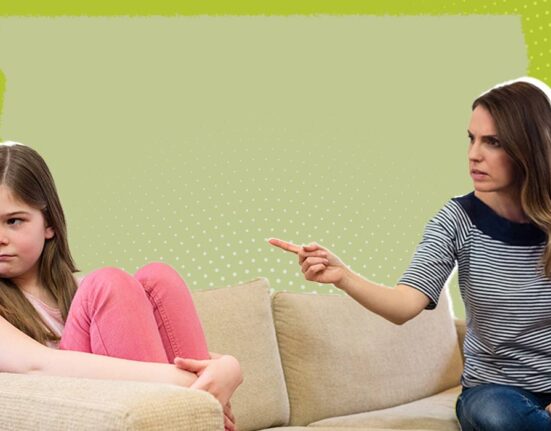
- Authoritarian Style: These parents focus on strict rules, schedules and discipline; there is very little room for emotional expression. The control in this type of parenting is so high that often the child ends up developing esteem issues and struggles with decision-making later in life.
- Permissive Style: These parents are loving and caring, but often do not set strict boundaries and rules for their children, causing them to suffer with discipline.
According to Maccoby & Martin, the Fourth Style
A fourth style – Uninvolved, was added by Maccoby & Martin. These parents provide for basic needs (food, shelter, etc) for survival, but are otherwise detached. There are no rules and no emotional support. Children raised by these parents often grow up feeling invisible. They have low self-esteem, are emotionally dissatisfied, chronically stressed and often face problems in academics and careers. They have poor social skills and tend to develop an unhealthy attachment style, affecting their relationships. Various studies and research have supported this theory.
Past literature clearly talks about how important parental emotional support is in the life of a child for their proper growth and development. Children generally want to please loving parents and, hence, are often motivated to do what is expected of them. Often neglected children tend to develop an aggressive and negative attitude towards society. These children often become hostile, selfish, rebellious adolescents, often lacking meaningful goals( Patterson, Reid & Dishion,1993; Pettit et al, 2001). These children are also prone to commit anti-social and delinquent acts like drug abuse, sexual misconduct, truancy and various criminal offences. (Kurdek & Fine, 1994; Pettit et al, 2001).
Read More: Positive Parenting for Working Parents: Skills and Challenges
I am Happy, I am Strong, I don’t Need Anyone: The Hyper-Independence Effect
Hyper-Independence is often considered an ingrained trauma response. These individuals often experience discomfort in asking for simple help. They often hesitate in accepting that they enjoy the company of someone they love, or deep down, they desire company. Children raised by uninvolved parents often are more self-sufficient than children raised by other parenting styles; however, these skills are typically developed out of necessity.
It can be quite similar to the children who have lost their parents earlier in life, who are more self-sufficient and resilient as compared to children having a normal life; however, it is not out of choice but out of survival needs. (Terrence Sanvictores; Magda D. Mendez. 2022). Some common symptoms of hyper-independence are difficulty trusting others, unwilling to ask for help, tries to handle everything alone, rarely has close friends, and prefers living alone. It is the most common observable stress response in cases of absent parents, neglecting parents, or emotionally distant parents.
Does Emotionally Distant Parenting Affect Their Future Relationships?
In the 1970s, Mary Ainsworth expanded and popularised the work of Bowlby’s work by experimenting on caregivers’ responses and how they affect the development of the child, commonly known as the “Stranger Situation” Study(1978). This study shows that individuals with emotionally distant parents often develop an insecure attachment style. These individuals often displayed little distress when the mother left the room. This characteristic followed them into their adult life; these individuals often stop expressing needs as they expect rejection.
Individuals with insecure attachment style often struggle to develop fulfilling romantic relationships later in their lives. Mary, in another study, found that babies of mothers who responded quickly to their cries cried very little. (Ainsworth, 1972)Sensitive and responsive parenting often results in a less fussy baby. ( Lewis & Ramsey, 1999). The sensitive caregiving often prevented the child from becoming distressed.
Read More: How Does a Child Develop Attachment Style?
Does Emotionally Distant Parenting also Affect Mental Health?
Dr Edward Tronick conducted a “Still Face Experiment” that involved a mother who interacts with her child normally and suddenly becomes unresponsive ( develops a still face ). The child in this study showed development of excessive emotional distress. To an extent, they tried to play with their mother, but later ignored her and moved away. Researchers concluded that the long-term effect of the same process, as observed in emotionally distant households, causes children to develop hyper-arousal. These children may develop chronic stress and anxiety in later life.
This easily affects their performance in future. They often do not know how to respond to criticism or appreciation, or a compliment. Various researchers even hypothesised that these individuals are prone to develop insecurity due to a lack of warmth and emotional security in early life. A mild criticism might turn them hostile. Various researchers like Vincent Felitti, Robert And a and more have stated that emotional neglect in the long term is as damaging as physical abuse.
Conclusion: How can These Individuals Help Themselves?
Growing up in emotionally distant households often creates a void in an individual’s life. Here, the absence of warmth, care, and validation often causes an individual to prioritise various other things over connection, a trend that follows them to their adult life. These individuals need to prioritise healing by accepting that ‘what didn’t happen’ matters, by prioritising themselves and their mental health. Many of these individuals tend to run behind their parents’ validation even in their adult life. These types of individual especially should recognise what they are actually lacking in their life, and provide themselves with the attention they deserve and were once denied.
References +
Types of Parenting Styles and Effects on Children – StatPearls – NCBI Bookshelf https://share.google/dI71460SdJMfyWAn0
https://www.ncfr.org/cfle-network/summer-2017-ACEs/research-update-practitioners-ace-study?hl=te IN
Rose, J. (2024) ‘Critical processes for infant development – an interview with Professor Edward Tronick’, Norland Educare Research Journal, 2(1), article number 3.
https://doi.org/10.60512/repository.norland.ac.uk.00000038
Shaffer D., Kipp K. (2014). Developmental Psychology: Childhood and Adolescence, 9th edition. Wadsworth CENGAGE learning


Leave feedback about this