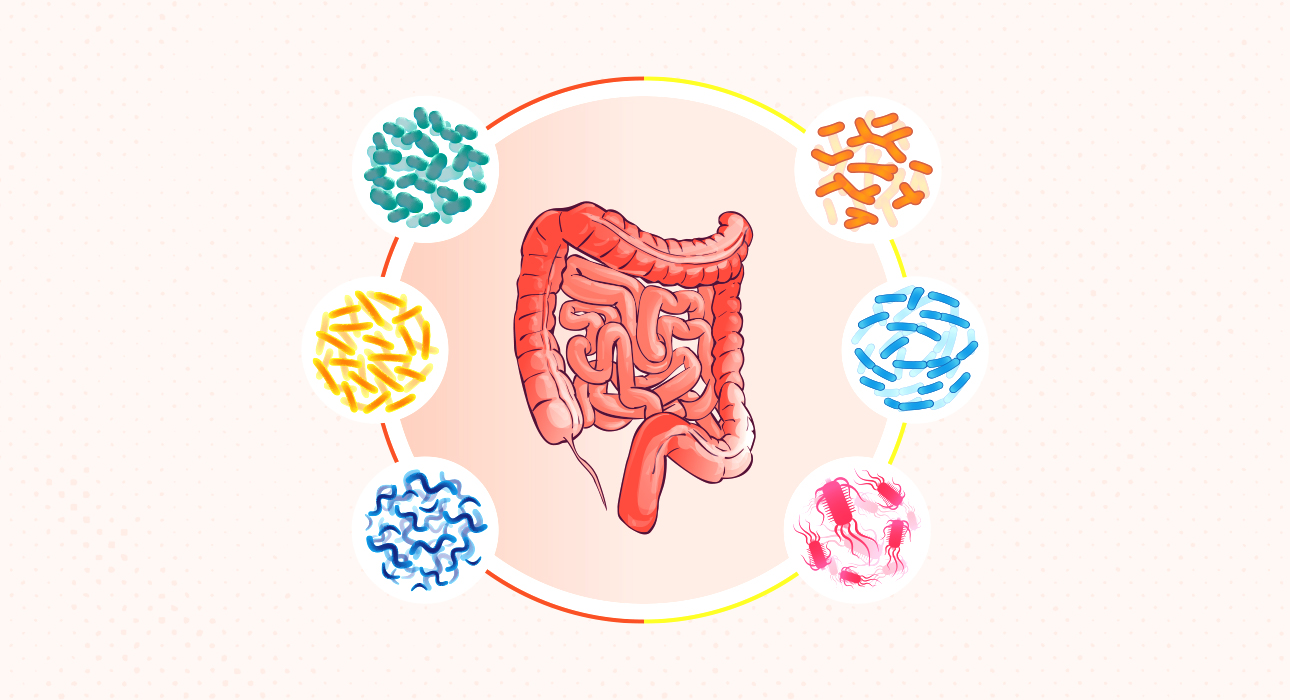
The human gut microbiota consists of about 100 trillion microorganisms (including bacteria, viruses, fungi and other microorganisms). It is huge and complex, with more individual cells than the human body, and so active that it can be considered to be an organ (Sender et al., 2016). The gut has been the subject of study for a long time, and for most of medical history, it was a digestive system, not a psychological one, but that has changed.
Many studies in the last 20 years have documented the gut-brain axis, the bidirectional line of communication between the gut and the brain, and that the gut microbiota, the collection of microorganisms that live in the gut and the proportion of one type to another, can affect mood, anxiety, cognition, and the risk of developing depression. This article explores the gut-brain connection, the breakdown of that connection and its implications for mental health and psychology.
How the Gut and the Brain Communicate
The connection between the gut and the brain and their complex network of communication pathways is known as the gut-brain axis. The connection is executed via multiple independent routes, and it is one of the most complicated biological relationships within the human body (Cryan et al., 2019).
The Vagus Nerve: A Direct Communication Pathway
The most direct and best-studied of these channels is the vagus nerve, the longest nerve in the body, extending from the brainstem to the chest and abdomen, and associated with the brain, the heart, the lungs and the digestive system. About 80-90% of the signals that go along the vagus nerve go up from the gut to the brain. That is, there is much more information coming from the gut to the brain than the brain to the gut, positioning the gut as an active player in its effects on brain state rather than simply a passive receiver of brain signals (Bonaz et al., 2018). On a physiological level, the gut can be considered the “second brain” as it has its own large nervous system- the enteric nervous system- which contains more than 500 million neurons capable of functioning independently of the central nervous system (Gershon, 1998).
Hormones and Immunity: Other Gut-Brain Signals
The gut or the neuroendocrine system (hormone system) is another way that the gut and brain communicate, beyond the vagus nerve. The gut manufactures and secretes a wide variety of hormones and signalling molecules that can affect brain function, such as serotonin. Serotonin acts as a neurotransmitter, helping nerve cells communicate and influencing emotions, emotional stability, and feelings of well-being. Popularly known as the “feel-good chemical,” its effect on mood is much more complicated than this suggests. Critically, the intestines synthesise about 90–95% of the body’s total serotonin, which helps regulate gut motility. The gut microbiota directly affects the production and release of serotonin, which provides a ‘gut-to-brain’ pathway through which gut bacteria impact brain chemistry (Yano et al., 2015).
The third channel of communication is through the immune system. The gut is home to about 70% of all the immune cells, and the gut microbiota is constantly interacting with them. A diverse and balanced microbiota- a microbial mix of healthy species- is conducive to immune regulation and low levels of systemic inflammation. A dysbiosis of the microbiota may lead to immune dysregulation, such as the production of pro-inflammatory cytokines (small proteins that instruct the immune system to respond with inflammation). These inflammatory molecules can cross the blood-brain barrier. Inflammation has been linked to the development and maintenance of depression and anxiety (Dinan et al., 2015).
Read More: How does our Gut Health Influence Mental Well-Being? Here’s what Experts say
The Gut-Brain Axis and Mood Disorders
The research on microbiome and mood disorders has found that the gut-brain axis and the hypothesis that gut microbiota composition is associated with mood disorders have rapidly gone from theory to evidence. Researchers have confirmed the relationship through several lines of evidence. But they are still working to determine the exact mechanisms involved.
Gut Microbiota and Depression and Anxiety
In humans, depression and anxiety have been consistently linked to altered gut microbiome composition compared with healthy controls, including lower gut microbiome diversity (fewer microbial species) and a decrease in specific beneficial bacteria, such as those in the genera Lactobacillus and Bifidobacterium, which have been implicated in anti-inflammatory effects and production of serotonin (Jiang et al., 2015; Simpson et al., 2021). In a large-scale study published in Nature Microbiology, researchers studied the gut microbiota of more than 1000 people and found both Coprococcus and Dialister were depleted in people with depression, even after accounting for antidepressant use, which also alters gut microbiota (Valles-Colomer et al., 2019).
Animal models have been responsible for some of the most amazing evidence of the causal relationship between gut microbiota and behaviour related to mood. In germ-free mice (mice that were reared in sterile conditions without any gut microbes at all), researchers observed exaggerated responses to stress, heightened anxiety levels and abnormal functioning of the HPA axis, the body’s primary stress response system. The transfer of gut microbiota from an anxious, high-stress mouse into calm mice triggered anxiety-like behaviour, while transfer of microbiota from calm mice into anxious, high-stress mice triggered calm behaviour (Cryan et al., 2019). “Such studies are especially interesting because they suggest that the microbiota not only correlates with mood conditions but may also contribute to their development.
Psychobiotics: A Potential Approach to Mental Health
Recently, live cultures of microorganisms (probiotics), which, when fed in sufficient quantities, can be beneficial to the host, have been investigated as a possible intervention for mood disorders. Dinam et al (2013) coined the term psychobiotics to describe probiotics with mental health-promoting effects from the gut-brain axis. There are some preliminary clinical studies of certain strains of Bifidobacterium and Lactobacillus to support modest but statistically significant reductions in self-reported depression and anxiety symptoms in healthy individuals under stress and people with mild to moderate depression (Dinan et al., 2013; Liu et al., 2019). The effect sizes are not as large as those for traditional antidepressants. But the results still represent a whole new therapeutic approach.
Read More: The Serotonin–Tinnitus Paradox: Can Antidepressants Make Tinnitus Worse?
Neuroimmune and Neuroendocrine theories: The Biological Mechanisms
From biological psychology, there are two main theories that are relevant to gut microbiota and mood disorders: neuroimmune theory and neuroendocrine theory. From biological psychology, two main theories that are relevant to gut microbiota and mood disorders are neuroimmune and neuroendocrine. These are not rival explanations that represent alternative routes that gut biology could influence brain function, but rather multiple and distinct competing interactions between the two.
Neuroimmune Theory and Inflammation
The neuroimmune theory is about inflammation in mental health. Inflammation is a normal protective reaction of the body to injury or infection. It is accompanied by the activation of immune cells that produce chemical signals to neutralise dangers and start repair. This is a short-term adaptation and necessity. Chronic, or long-term, inflammation is the first type to occur, and it begins to attack the very tissues that it is meant to keep healthy. This process is not restricted to the brain. Chronic inflammation is linked to depression in several ways. It interferes with serotonin production, and it decreases the ability of the brain to change its connections. It damages the hippocampus, a brain region important for memory and mood regulation. Stimulates the production of kynurenine, a metabolite that can become a neurotoxin in excess (Miller & Raison, 2016).
The gut microbiota is upstream of this inflammatory cascade. Dysbiosis is an imbalance in the gut bacteria, and when it happens, the gut wall can become compromised, which is known informally as “leaky gut” (intestinal permeability). In this state, bacteria can produce substances, such as lipopolysaccharides (LPS), which are part of the outer membrane of some bacteria, that enter the bloodstream and cause a general inflammatory reaction. In humans, an increase in blood LPS has been associated with patients suffering from major depressive disorder (MDD), with a direct link between gut barrier dysfunction and the neuroimmune pathway of depression (Leclercq et al., 2014).
Read More: Neuroinflammation and Its Effects on Mental Health
Neuroendocrine Theory and the HPA Axis
Neuroendocrine theory emphasises the interaction or interplay between the HPA axis (a hormone system that controls the body’s response to stress). When a stressor is detected by the brain, the hypothalamus releases corticotropin-releasing hormone (CRH), which triggers the release of adrenocorticotropic hormone (ACTH) from the pituitary and subsequently cortisol, the main stress hormone, from the adrenal glands. Normally, cortisol levels rise during stress and return to normal once the stress is over. Depression tends to dysregulate this system, causing cortisol levels to remain chronically elevated and weakening the feedback mechanism that normally switches it off. The gut microbiota regulates HPA axis function: germ-free animal studies show exaggerated HPA axis responses to stress, while introducing specific bacterial strains normalises the cortisol response (Cryan et al., 2019).
The neuroimmune and neuroendocrine systems form a biological system where gut microbiota is not an independent factor. But rather an integral part of psychological health. Bad nutrition, antibiotic overuse, chronic stress, lack of exercise and sleep (all prevalent in modern living) disrupt microbiota. This can trigger the neuroimmune and neuroendocrine systems to go into a state of depression and anxiety (Simpson et al., 2021).
Read More: The Relation Between Your Stress and Gut
Significant implications for Mental Health
Research on the gut-brain axis has profound implications for understanding and managing mental health disorders.
1. Traditionally, the predominant biomedical theory of depression has focused largely on brain neurotransmitter pathways, particularly serotonin and dopamine, leading clinicians to prescribe drugs that directly target these pathways. The most commonly prescribed antidepressants are selective serotonin reuptake inhibitors (SSRIs). These increase the levels of serotonin in the synapses of the brain. Although they can work for a large number of patients, SSRIs are not effective for everyone. Up to 30% of people with depression do not respond to traditional antidepressants (Rush et al., 2006).
2. The study of the gut microbiome offers new options for treatment of this population. Clinical trials in individuals with depression have shown that dietary interventions, such as increasing fibre, fermented foods, or a variety of plant foods, can promote microbiome diversity and may offer promising benefits. In a 2017 randomised controlled trial (SMILES: Supporting the Modification of lifestyle In Lowered Emotional States), a twelve-week Mediterranean-style dietary intervention group experienced significantly more improvements in depression symptoms than the social support group (Jacka et al., 2017). This does not imply that diets alone can treat depression; it does indicate that diet may influence mental health. However, a gut health intervention is a clinically relevant factor for mental health.
3. Recurrent gut infections with the bacteria Clostridioides difficile that have proven to be effective for treating the condition have led to an investigation of faecal microbiota transplantation (FMT) as a possible treatment for psychiatric disorders. While the body of evidence is still limited, earlier case reports and small trials have reported positive results with FMT for depressive and anxiety symptoms, with much remaining to be learned about the best donor to use, safety measures, and long-term outcomes (Simpson et al., 2021). Psychiatric FMT is an emerging, unconventional area in the future of mental health care.
Read More: Mitochondrial Dysfunction in Psychiatric Disorders: What Research Shows
Conclusion
Gut microbiota and mood disorders is one of the fastest-growing fields in biological psychology. Converging evidence from human epidemiological studies, animal transplantation experiments, clinical trials of dietary and probiotic interventions, and mechanistic studies identifying the neuroimmune and neuroendocrine pathways through which this influence works confirms that the bacteria living inside our digestive system may affect the likelihood of developing depression.
This research is not a disembodied biological approach to mental health. However, the genetic, early, social, cognitive, and psychological factors remain clinically significant and are all important factors that contribute to the complexity of depression and anxiety. The study of the gut-brain axis introduces a new element that was previously missing: the body’s internal ecology, particularly the gut, provides a biological substrate through which psychological experiences unfold, while diet, lifestyle, and the environment influence it.
The mind doesn’t stop at the skull. Understanding mental health also means listening to the gut.
References +
- Bonaz, B., Bazin, T., & Pellissier, S. (2018). The vagus nerve at the interface of the microbiota-gut-brain axis. Frontiers in Neuroscience, 12, 49. https://doi.org/10.3389/fnins.2018.00049
- Cryan, J. F., O’Riordan, K. J., Cowan, C. S. M., Sandhu, K. V., Bastiaanssen, T. F. S., Boehme, M., … Dinan, T. G. (2019). The microbiota-gut-brain axis. Physiological Reviews, 99(4), 1877–2013. https://doi.org/10.1152/physrev.00018.2018
- Dinan, T. G., Stanton, C., & Cryan, J. F. (2013). Psychobiotics: A novel class of psychotropic. Biological Psychiatry, 74(10), 720–726. https://doi.org/10.1016/j.biopsych.2013.05.001
- Dinan, T. G., Stilling, R. M., Stanton, C., & Cryan, J. F. (2015). Collective unconscious: How gut microbes shape human behaviour. Journal of Psychiatric Research, 63, 1–9. https://doi.org/10.1016/j.jpsychires.2015.02.021
- Gershon, M. D. (1998). The second brain. HarperCollins.
- Jacka, F. N., O’Neil, A., Opie, R., Itsiopoulos, C., Cotton, S., Mohebbi, M., … Berk, M. (2017). A randomised controlled trial of dietary improvement for adults with major depression (the ‘SMILES’ trial). BMC Medicine, 15(1), 23. https://doi.org/10.1186/s12916-017-0791-y
- Jiang, H., Ling, Z., Zhang, Y., Mao, H., Ma, Z., Yin, Y., … Ruan, B. (2015). Altered faecal microbiota composition in patients with major depressive disorder. Brain, Behaviour, and Immunity, 48, 186–194. https://doi.org/10.1016/j.bbi.2015.03.016
- Leclercq, S., Matamoros, S., Cani, P. D., Neyrinck, A. M., Jamar, F., Stärkel, P., … Delzenne, N. M. (2014). Intestinal permeability, gut-bacterial dysbiosis, and behavioural markers of alcohol-dependence severity. Proceedings of the National Academy of Sciences, 111(42), E4485–E4493. https://doi.org/10.1073/pnas.1415174111
- Liu, R. T., Walsh, R. F. L., & Sheehan, A. E. (2019). Prebiotics and probiotics on depressive symptoms and cognitive performance in clinical populations: A systematic review and meta-analysis. Neuroscience & Biobehavioral Reviews, 102, 13–23. https://doi.org/10.1016/j.neubiorev.2019.03.023
- Miller, A. H., & Raison, C. L. (2016). The role of inflammation in depression: From evolutionary imperative to modern treatment target. Nature Reviews Immunology, 16(1), 22–34. https://doi.org/10.1038/nri.2015.5
- Rush, A. J., Trivedi, M. H., Wisniewski, S. R., Nierenberg, A. A., Stewart, J. W., Warden, D., … Fava, M. (2006). Acute and longer-term outcomes in depressed outpatients requiring one or several treatment steps: A STAR*D report. American Journal of Psychiatry, 163(11), 1905–1917. https://doi.org/10.1176/ajp.2006.163.11.1905
- Sender, R., Fuchs, S., & Milo, R. (2016). Revised estimates for the number of human and bacterial cells in the body. Cell, 164(3), 337–340. https://doi.org/10.1016/j.cell.2016.01.013
- Simpson, C. A., Diaz-Arteche, C., Eliby, D., Schwartz, O. S., Simmons, J. G., & Cowan, C. S. M. (2021). The gut microbiota in anxiety and depression: A systematic review. Clinical Psychology Review, 83, 101943. https://doi.org/10.1016/j.cpr.2020.101943
- Valles-Colomer, M., Falony, G., Darzi, Y., Tigchelaar, E. F., Wang, J., Tito, R. Y., … Raes, J. (2019). The neuroactive potential of the human gut microbiota in quality of life and depression. Nature Microbiology, 4(4), 623–632. https://doi.org/10.1038/s41564-018-0337-x
- Yano, J. M., Yu, K., Donaldson, G. P., Shastri, G. G., Ann, P., Ma, L., … Hsiao, E. Y. (2015). Indigenous bacteria from the gut microbiota regulate host serotonin biosynthesis. Cell, 161(2), 264–276. https://doi.org/10.1016/j.cell.2015.02.047