Everyone at some point in life will go through stress. Stress can be defined as a state of worry or mental tension caused by a difficult situation (World Health Organisation [WHO], 2026). When stress is constant in a person’s life for a long period of time, it is known as chronic stress. Also, without healthy ways of coping with it, it may be very difficult to handle the day-to-day things in life.
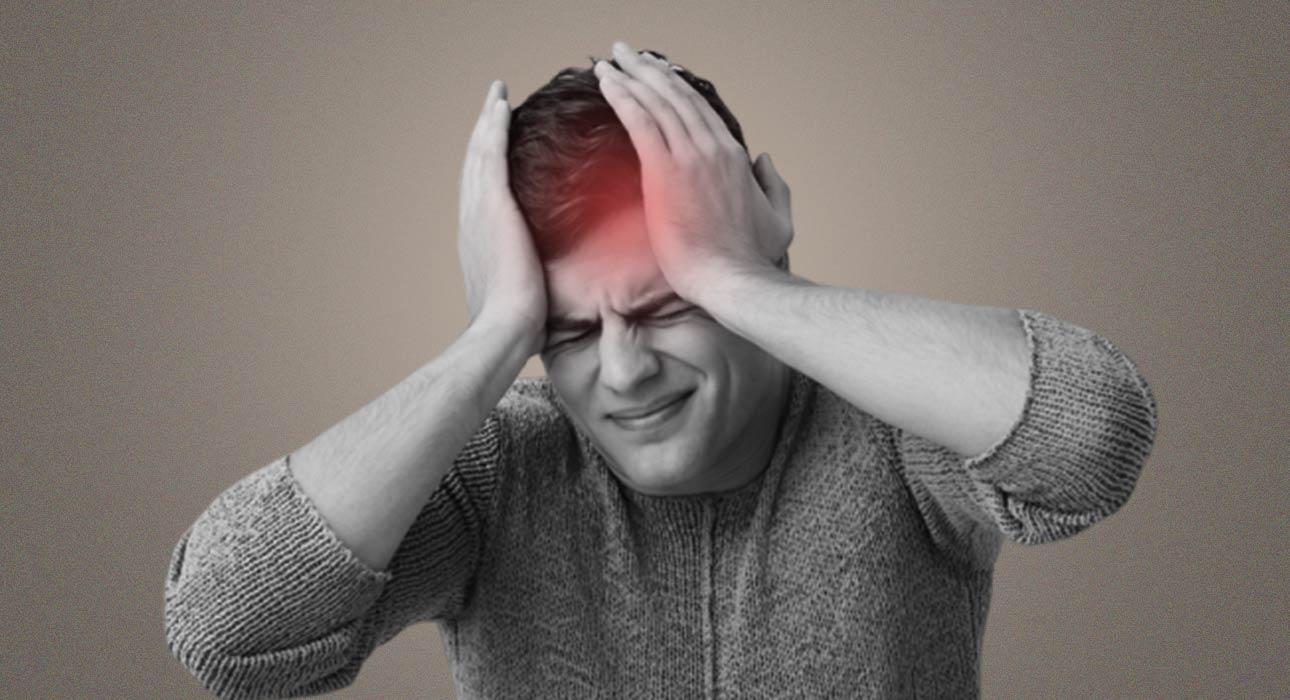
Stress in some individuals is not visible to them because its symptoms resemble those of some other health conditions, like regular headaches, disturbed sleep patterns, poor concentration, or a general ill feeling, which may be the indicators that stress is straining the individual’s physical and mental well-being. This article explains the effects of chronic stress on behaviour, physical and mental health, along with research-backed approaches that help individuals manage it effectively.
Read More: The Tend and Befriend Stress Model: Why Human Connection Matters During Stress
Effects of Chronic Stress
Chronic stress has effects on an individual’s entire body. Mainly, its effects showcase on several areas of behavioural, physical and mental health (Yalemedicine, n.d.).
1. Effects of Chronic Stress on Behaviour
Chronic stress is often manifested through a range of behavioural changes. Identifying and recognising those changes is important because it can help individuals seek help before the problem intensifies. Common behavioural symptoms include:
- An irritable mood for most of the day and being quick to anger.
- Change in a person’s appetite, either eating more or less than what is normal.
- May notice a speed in speech when the person talks.
- May experience being very nervous or restless without any reason.
- Avoid socialising and mingling with others. Prefers to be alone. (Yale Medicine, n.d.)
2. Effects of Chronic Stress on Physical Health
Chronic stress has a vast impact on an individual’s physical health. It affects almost all the organ systems of the human body. As each system of the body is interconnected, variation or pathology in one system can affect others as well. Effects include:
- Musculoskeletal system: The frequent headaches and migraines are due to the constant tension in an individual’s muscles. This constant tension causes weakened muscles and eventually leads to health deterioration. (APA, 2024)
- Cardiovascular system: High risk of heart issues such as coronary artery disease and heart attack because of changes in the normal heart rate. This causes blood vessels to constrict and raises blood pressure, increases blood fats, and affects blood clotting (Yaribeygi et al., 2017).
- Respiratory system: Asthmatic and chronic obstructive pulmonary disorder patients are the ones who are most affected due to chronic stress. For people who don’t have these conditions, stress causes shortness of breath and rapid breathing. (APA, 2024)
- Immune system: Studies show that women who report high stress levels and weak immune systems are at a greater risk of developing cancer as compared to those who are less stressed. Also, reports show that long-term exposure to stress hormones in the brain can stop the release of growth hormones and thus limit a person’s growth (Yaribeygi et al., 2017).
- The gastrointestinal system: Stress causes the gut to be more sensitive, which in turn may cause issues such as diarrhoea, constipation, bloating, stomach cramps, indigestion, and irritable bowel syndrome. Also, it may change good gut bacteria (Konturek et al., 2011).
- The endocrine system: The endocrine system reports that stress plays a big role in hormone levels. It increases cortisol and, at the same time, decreases thyroid and reproductive hormones. This will, in turn, affect an individual’s energy, metabolism, reproduction and overall well-being (Singh et al., 2026).
3. Effects of Stress on Mental Health
Chronic stress leaves the human body less able to deal with present challenges, which in turn may cause a person to react more strongly to what are in fact routine issues. This puts him/her at greater risk for anxiety, emotional distress, and the development of mental health issues like anxiety disorders and depression. Also, over time, chronic stress may put the person into unhealthy coping habits, which in turn may cause stress to increase and harm overall well-being (Montgomery Gouvea, 2024).
Effects of chronic stress on an individual’s mental health include:
- Concentration issues and forgetfulness: like the person may walk into a room and forget about why they went there, or during a conversation, the person loses the flow of explaining things, etc.
- Reduced attention span: for example, not able to watch a full film at a stretch like before, or skipping long reads and asking ChatGPT for a summary.
- Difficulty making decisions and solving problems: such as finding difficulty choosing an outfit more than usual, and every time using only one way of solving a problem that an individual usually faces.
- Burnout, unwanted thoughts and losing hope: for example, if a person couldn’t meet a deadline at work but still worked hard, it makes the person feel like they are incapable or unfit for the position and think of resigning the job.
- Development of anxiety and depression: for example, if a person has a presentation at the office next week, anxiety will make him/her spend the whole week being nervous, thinking about it, replaying it in the mind and imagining what could go wrong, etc. In the same scenario, for a depressed person, they will be feeling less motivated and numb. They will try to avoid participating in the presentation because preparing for it feels like too much effort. (Mentalhealth.com, n.d.)
Read More: How Chronic Stress Disrupts Working Memory: The Role of Cortisol Awakening Response
Management of Stress
Managing stress is a personal journey for everyone. The things that stress a person are different for each one. Also, the ability to recognise and respond to stressful situations is unique for each individual. But it is important to understand the source of stress and understand the necessary coping strategies (Ganapathi, P. et al., 2023). Below explains the ways of managing stress.
1. Understanding the Sources of Stress
It is of the utmost importance to understand what is causing stress, because understanding the problem can only give you the solution. Use the time to pause, think and listen to yourself, and see what is causing stress. There will be many things which cause stress; it could be work, studies, relationship issues, money, illness, social factors, etc. If the person has an idea of what is causing stress, they can do the utmost to avoid it.
2. Prioritising Rest
When an individual runs out of energy, resting helps. Rest should be as unique as each individual is. Most importantly, physical as well as mental rest are unavoidable (APA, n.d.). Physical rest allows the human body to get the rest it needs to replenish and restore lost energy. Physical rest is achieved by getting adequate sleep or taking naps, getting a massage after a stressful week, and doing stretching exercises like somatic workouts (APA, n.d.).
Long periods of thinking, occupying the mind, can result in mental fatigue. Mental rest is all about finding how to quiet the busy mind and letting the brain rest. Emotional rest means allowing the person to go through an emotional demand by talking to a friend about his/her feelings instead of ignoring them, saying no to activities that are emotionally demanding. The individual may also establish limits with individuals or roles that drain the person, and put the phone on ‘do not disturb’ to give a break (APA, n.d.).
3. Lifestyle Modifications
Studies show that bringing some healthy changes to the lifestyle brings positive changes which improve a person’s overall health, such as:
- Eating healthy food plays a vital role, the importance of which cannot be underestimated. A balanced diet, which includes the appropriate amount of fruit, vegetables, whole grains, dairy products, lean meats, healthy fats, and other essential nutrients, will significantly improve physical and mental health (Brigugilo et al., 2020).
- A good night’s sleep is equally important, and people who experience stress must particularly focus on the quality of their sleep, since emotional stress can affect the quality of rest and vice versa. Namely, sufficient sleep supports emotional health and proper functioning of the brain, physical well-being, and promotes resistance to various stressors (Yu et al., 2025).
- Taking breaks when needed from work and routines.
- Training in meditation, mindfulness and yoga.
- Connecting with family, friends or dear ones with whom the person can open up.
- Practising journal writing to understand the situation and emotions of an individual.
4. Reach Out for Professional Help
When usual ways of handling pressure fail, yet tension lingers through each hour, spotting troubling patterns like eating too much, pulling away from people, turning to substances, or causing harm should signal it’s time to reach out to a mental health professional. With the right therapist at the right time, stress will become significantly easier to tolerate. A therapist can provide an outside perspective on the situation, allowing the person to see options that they may not have thought of, while gradual improvement in the condition, along with regular maintenance, can help prevent relapses. Then life slowly becomes something the person can shape again (Grand Rising Behavioural Health, n.d.).
Read More: Cortical Thinning Caused by Chronic Stress Exposure
Conclusion
Currently, with the development of technologies, human life is becoming more comfortable; however, the constant need to adapt to the rapid pace of progress and the corresponding increase in demands leads to heightened levels of stress. Such pressure is inevitable, even beneficial, but only to a certain extent. However, if an individual takes on too much for themselves at once, this can burden their psyche with severe stress that can last for a long time. Don’t let stress take over your life; train the mind to manage it so that the person remains in charge of their own journey.
References +
- World Health Organisation (2026 March 30) Stress https://www.who.int/news-room/questions-and-answers/item/stress
- Yalemedicine (n.d) chronic stress https://www.yalemedicine.org/conditions/stress-disorder
- American Psychological Association (2024, October 21). Stress effects on the body https://www.apa.org/topics/stress/body
- Yaribeygi, H., Panahi, Y., Sahraei, H., Johnston, T.P., & Sahebkar, A. (2017). The effects of stress on body function: A review. EXCLI Journal, 16, 1057-1072.http://dx.doi.org/10.17179/excli2017-480
- Konturek P C, Brzozowski T, Konturek S J. Stress and the gut : pathophysiology, clinical consequences, diagnostic approach and treatment options. J Physiol Pharmacol. 2011 Dec; 62(6):591-9. PMID: 22314561. https://pubmed.ncbi.nlm.nih.gov/22314561/
- Singh et al. Bioinformation 22(1): 56-60 (2026) https://doi.org/10.6026/973206300220056.
- MentalHealth.com. (n.d.). Long-term consequences of negative stress. https://www.mentalhealth.com/library/long-term-consequences-of-negative-stress
- Ganapathi, P., Aithal, P. S., & Kanchana, D. (2023). Stress Management: Concept, Approaches, and Analysis. International Journal of Management, Technology, and Social Sciences (IJMTS), 8(4), 213-222. DOI: https://doi.org/10.5281/zenodo.10224032
- Montgomery, R.M., Gouvea, M.A.V.M.(2024). Impact of chronic stress on physical and mental health: a detailed analysis. j gene engg bio res,6(2),01-07.https://www.opastpublishers.com/open-access-articles/impact-of chronic =-stress-on-physical-and-mental-health-a-detailed-analysis.pdf
- Girotti, M., Bulin, S. E., & Carreno, F. R. (2024). Effects of chronic stress on cognitive function – from neurobiology to intervention. Neurobiology of stress, 24, article 100670. https://doi.org/10.1016/j.ynstr.2024.100670
- vishwakarma,s.,& gupta,s.k.(2022) impact of stress on human behaviour and its management. International journal for research trends and innovation,7(10),45-47.https://ijrti.org/papers/IJRTI2210007.pdf
- American Psychological Association. (n.d.). 7 types of rest: How to get the rest you need. APA. https://www.apa.org/topics/mental-health/seven-rest-types
- Briguglio, M., Vitale, J. A., Galentino, R., Banfi, G., Zanaboni Dina, C., Bona, A., Panzica, G., Porta, M., Dell’Osso, B., & Glick, I. D. (2020). Healthy eating, physical activity, and sleep hygiene (HEPAS) as the winning triad for sustaining physical and mental health in patients at risk for or with neuropsychiatric disorders: considerations for clinical practice. Neuropsychiatric disease and treatment, 16, 55-70.https://doi.org/10.2147/NDT.S229206
- Yu X, Nollet M, Franks N …Sleep and the recovery from stress Neuron, 2025; 113, 2910-2926.https://doi.org/10.1016/j.neuron.2025.04.028
- Grand Rising Behavioural Health. (n.d.). The benefits of seeking help for chronic stress and its effects. https://www.grandrisingbehavioralhealth.com/blog/the-benefits-of-seeking-help-for chronic-stress-and-its-effects