







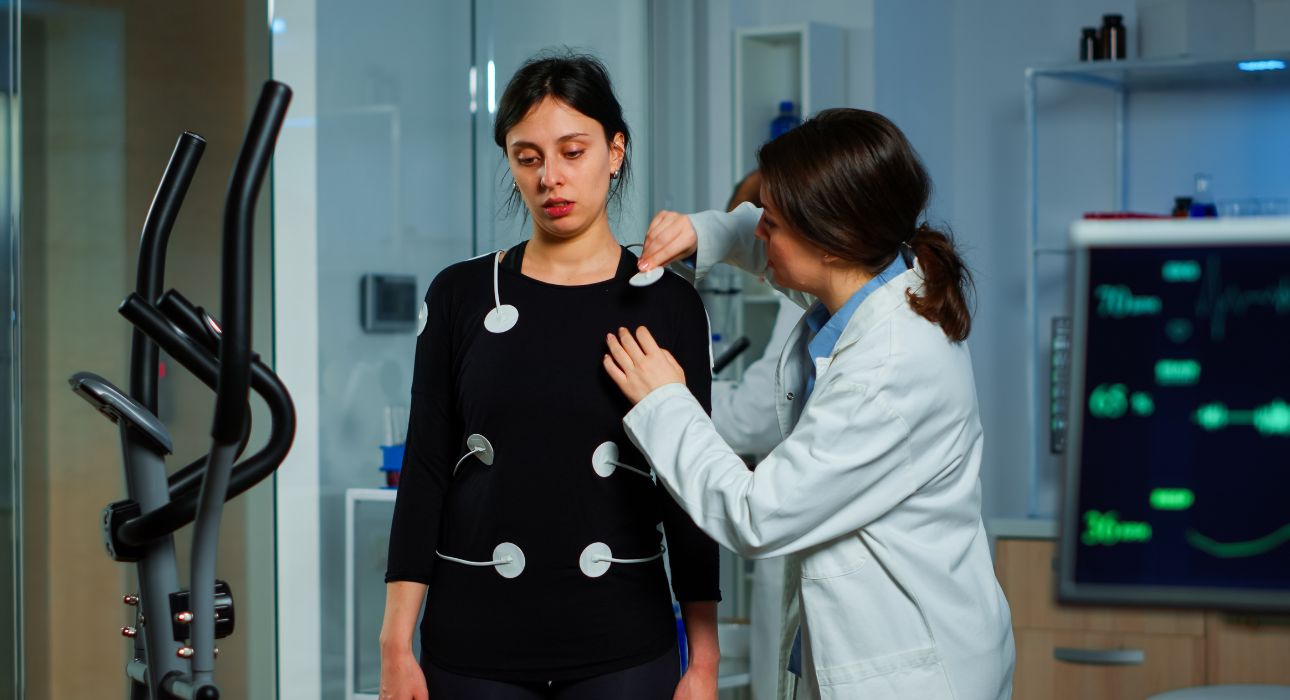
Chronic vein conditions involve more than just the visible symptoms of the skin and touch upon emotional and psychological effects as well. Conditions like spider veins, varicose veins, and chronic venous insufficiency create physical and mental discomfort. Recently, the profession of medicine and mental health research has focused on the mind-body connection regarding chronic vascular conditions.
Unresolved physical health issues can have negative effects on mood and self-image, and ultimately degrade one’s quality of life. Chronic venous insufficiency and similar conditions can create emotional and psychological burdens from the visible discomfort and fatigue associated with the condition. Closing the care gap is about addressing the physical symptoms and the psychological issues associated with chronic vein conditions. The intersection of mental health and venous health is increasingly relevant, highlighting how medicine is shifting towards a more holistic approach that prioritises the person rather than treating disparate parts of the individual.
Chronic disease of the veins
Chronic illness of the veins arises due to the malfunction of the veins of the legs to facilitate the return flow to the heart. Veins have tiny valves that allow blood to flow upwards and prevent backwards flow due to gravity. When these valves weaken or get damaged, blood starts to collect in the veins, causing the veins to become bigger and more tortuous.
This produces the appearance of varicose veins, which are rope-like protrusions beneath the skin. These veins may also be associated and classically described with the symptoms of aching, heaviness, swelling, itching and fatigue of the legs. With time, untreated venous ailments are more likely to lead to chronic venous insufficiency, which eventually results in skin changes, redness and stasis ulcers, which are very painful.
Because of the nature of these symptoms, chronic venous insufficiency can affect the individual’s emotional status. The symptoms may affect the individual to the point of body image distortion, loss of confidence and limitations in some activities.
The Influence of Psychological Well-Being on Physical Health and the Other Way Around
The mind-body interaction describes the relationship between the physical and psychological aspects of a person’s health. In all ranges of medicine, chronic conditions are shown to have a psychological and emotional impact. Stress, anxiety, or a change in mood are not uncommon when the individual experiences pain and/or limitations due to fatigue.
Leg vein disorders are a perfect example. Leg pain or swelling can lead to a sedentary lifestyle because someone is unable to take on their usual activities, whether these are simple, work, social, or fitness-related. These limitations can cause emotional distress and/or frustration. Mental health is often impacted when people feel that they lack the ability to move and exercise, and when their physical condition causes limitations.
Moreover, feelings of fatigue or tension can be caused by chronic inflammation and/or problems of circulation, which lead to the body’s stress response. The emotional and mental levels are negatively affected, and the level of mental discomfort can lead to physical discomfort, pain, or stress, and vice versa. The interconnected mind-body system has been examined in chronic vein disorders and the psychological issues pertaining to that, which healthcare providers have started to recognise.
Self-Confidence and Body Image
The impact of vein issues on mental health not only includes the appearance of the veins, but also the feelings associated with the person. When the veins appear on the legs, people can become very self-conscious, making them begin to alter the way they dress. This can include avoiding events like going to the beach or wearing shorts.
These feelings are not solely negative, as they can impact self-confidence and self-esteem in a positive way, and lead a person to become more social. Alternatively, the person may become more self-conscious, which can lead to social withdrawal, or the individual may focus more on the presence of the negative social feelings, which makes the problem worse.
It can still directly impact the emotional well-being of the person, even after the varicose veins are removed. This highlights the importance of both treating the medical issue and the emotional impact. Treating both can allow people to keep up with everyday activities with more ease and confidence.
Development of Emotional Stress due to Physical Discomfort
Stress can also come from the continuous emotional pain of persistent physical discomfort. Relaxing is difficult when your legs are aching, you have some throbbing pain, and some part of you is swelling. Working, sleeping, and exercising are things that symptoms can bother to the point that you may be more likely to develop stress that is persistent stress. Stress that is persistent is also a major contributor to irritability. It can also cause anxiety and is a contributor to fatigue. The pain and limited lifestyle are cumulative and, over time, create a feedback loop. The emotional pain and stress that is caused by physical symptoms may also make a person less likely to ignore the pain and discomfort and more likely to stress about it. People need to be informed about this cycle. Healthcare professionals should take a psychological approach to their patients, especially those with chronic pain. This way, health professionals can find a way to give patients the emotional support that is necessary.
Impact on Social and Daily Activities
Leg swelling and leg pain may also have an effect on one`s daily life and social life. People with chronic vein pain in their legs may have a hard time standing for long periods of time, walking long distances, or even doing some physical activities that they may have enjoyed in the past. These changes can impact daily life and also encourage a more sedentary lifestyle by making regular physical activity and outdoor recreation harder or less likely to be done.
Inactivity can affect a person’s psychological state. Exercise is known to improve both mental and physical health. Movement helps improve mood, reduces levels of stress hormones, and promotes well-being. Some people may find the discomfort caused by vein problems discourages them from exercising, and as a result, they may feel a lack of energy, motivation, or both. Feeling embarrassed about the appearance of their veins can discourage social engagement. If they have to talk about their condition, that can also be a source of discomfort. A lack of social interaction can lead to a sense of loneliness. To prevent the development of psychological complications, early treatment of vein problems is crucial.
Why is Treatment Important?
Psychological and medical aspects must be integrated in the treatment of vein problems. Provided the mental health of patients is to be taken into consideration, the most recent vascular medicine techniques should be employed. Endovenous laser treatment, radiofrequency ablation, and sclerotherapy are examples of minimally invasive techniques that have simplified and improved the experience of patients. After the procedure, the mental health, emotional well-being, and confidence levels of many patients increase. In addition to that, their quality of life improves greatly due to improved comfort and mental state.
Patients in need of specialised care may consider Varicose Vein treatment in New York at clinics that are dedicated to more advanced vascular treatments and patient-centred services. The specialised training that the vein specialists possess helps to ensure an accurate diagnosis and an individualised treatment plan that takes each patient’s unique condition into account. When symptoms are taken care of in a physical sense, the psychological aspects often take care of themselves.
Mental Health and Vein Care
The need to incorporate mental health awareness when treating chronic diseases has been highlighted by many professionals. In the case of patients suffering from venous diseases, effective communication with the practitioner may serve to address issues that are not solely physically related. Medical education is one of the many things that can aid in the relief of an individual’s worry regarding their medical condition. Once the patient is educated on their vein problem and knows the different treatment options, they are much more likely to be active in their care and not burdened by their diagnosis. Chronic diseases can affect a person’s emotional state, and the emotional support from family, friends, and professional counselling can assist in that regard. Health includes emotional health, and working to address this issue will increase a person’s mental fortitude and aid in their physical recovery.
Take Action
Preventive techniques can help clients keep healthy blood circulation and also avoid complications connected to veins. Walking and cycling as forms of exercise are particularly beneficial as they promote blood circulation. Balanced diets and healthy weights also mean veins are not under too much strain. After standing or sitting for a long time, simple actions like leg elevation can minimise swelling and leg discomfort. Individuals with pain due to poor leg circulation can be advised to wear compression stockings. Psychological stress and venous health also require a healthy mind. Centring yourself and engaging in stress-relieving activities with an exercise regime can promote a healthy heart and mind. Mental and physical health techniques used jointly can help one cope with persistent health issues.
Final Thoughts
Chronic vein problems are a part of health concerns, and one of the most ignored issues is the psychological factor. Patients suffering from vascular problems, and more specifically, varicose veins, suffer from a lot of emotional distress and have a problem with self-confidence and even have a psychological issue of not wanting to relate with other people. Comprehensive care that takes all aspects of a person’s health into account can be achieved by understanding the mind-body connection. Modern vein treatments mean that patients can gain relief and regain confidence by improving the appearance of their veins through minimally invasive treatments. Patients and health care professionals are able to work together in an emotionally aware and conscious way when the emotional aspects are taken into consideration. When the holistic nature of mental and physical health is understood, patients suffering from vein problems can enhance their overall well-being and quality of life.




Leave feedback about this