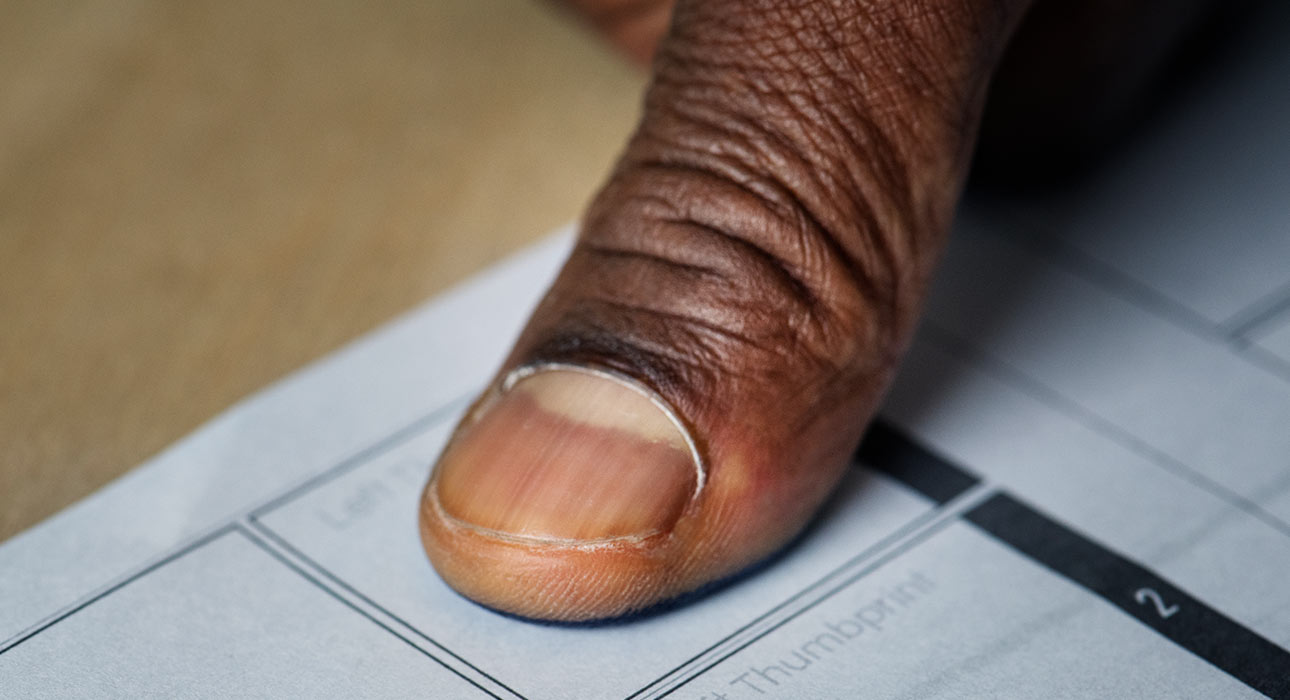
Voting for the election held in Tamil Nadu was done on 23 April 2026. These elections turn out to be empowering as residents of the Institute of Mental Health also cast their vote. This was done to promote inclusion and equal participation of persons with mental illness. Not only from the Institute of Mental Health, but individuals from NGO run facilities, including The Banyan and Schizophrenia Research Foundation (SCARF), also voted in the assembly elections. It was in 2019 that, for the first time, 156 residents of the Institute of Mental Health voted in the Lok Sabha elections.
This was followed by the 2021 assembly elections, when 84 residents voted, followed by the 2024 elections, where 50 residents voted and exercised their democratic right to vote. This serves as a significant step as it not only promotes inclusion and equality but also helps in breaking the stigma surrounding mental illnesses. The director of the Institute of Mental Health stated that the residents have improved with treatment.
They have access to newspapers and television in their ward, hence they regularly follow the news and are updated. Only those who have the capacity to think, understand and decide are allowed to vote. Those with severe intellectual disability would not be voting. A similar statement was given by R. Thara, the vice chairperson of the SCARF. He stated that what determines the quality of their participation is how connected the residents are with the outside world and their awareness about the current political situation, political parties and the candidates.
Read More: SCARF Chennai Sets Global Benchmark in Youth Mental Health Care
The True Inclusion
At the Institute of Mental Health, not all residents voted, but those who had improved with treatment voted at booth number 251AV. Initially, 100 residents out of the total were found eligible to vote. Later, the number was revised to 53 after the doctors re- examined them, and it was found that a few were not capable and some were discharged from the institute.
At the NGO, The Banyan, located in Chennai, a multidisciplinary care system offers clinical and social care to homeless people with mental health conditions. A total of 170 residents cast their vote. The Deputy Director of the Emergency Care and Recovery Centre stated that when people with mental illness are supported to cast a vote, democracy becomes truly inclusive. It restores the dignity of people with mental illness and reminds society that disability does not take away a person’s voice, rights or place in the community. Inclusion is strongest when every person is seen, heard and respected.
Srividhya, Peer Advocate and Healthcare Associate, ECRC, The Banyan, also stated that, like every other citizen, people with disability should also be enabled to exercise the right to vote. Inclusion does not end at social acceptance but also extends to meaningful participation and recognition of their capabilities.
There is a great stigma surrounding mental health and individuals with mental illness. When individuals with mental illness vote, it makes them feel inclusive. It makes them feel like a part of the community and that their opinion matters as they are a part of the system. Holding the voter identity cards made the residents feel happy, says P. Poorna Chandrika, professor of Psychiatry, Institute of Mental Health.
References +
- The Hindu Bureau. (2026, April 22). A step towards inclusion: Institute of Mental Health residents set to vote in T.N. Assembly polls again. The Hindu. https://www.thehindu.com/news/cities/chennai/a-step-towards-inclusion/article70878278.ece
- The Hindu Bureau. (2026b, April 24). Tamil Nadu election 2026: Mental health institution organisations facilitate voting for residents. The Hindu. https://www.thehindu.com/elections/tamil-nadu-assembly/mental-health-institution-organisations-facilitate-voting-for-residents/article70897625.ece
- Manasa Rao. (2023, August 17). In a first, 180 residents of Chennai’s Institute of Mental Health cast their ballots. The News Minute. https://www.thenewsminute.com/tamil-nadu/first-180-residents-chennai-s-institute-mental-health-cast-their-ballots-100277
- The Banyan. (2026, January 1). Home – The Banyan. https://thebanyan.org/